
Cricket Betting Tips: The Data-Driven UK Punter's Guide
 Available in US
Loading...

Why Data Separates Winning Cricket Bets from Lucky Ones
Three years ago, I placed what I thought was a brilliant bet on a T20 match in Sharjah. The batting side had won their last six, their opener was averaging 48 in the tournament, and the odds looked generous. I lost. The pitch had been relaid two weeks earlier, the dew forecast was wrong, and I had ignored the bowling matchup data that screamed "stay away." That single bet taught me more than my previous twelve months of tipping — because it forced me to admit that instinct, even experienced instinct, is not a strategy.
Nine years of specialising in cricket wagering have hammered this lesson into every decision I make: data is not optional. It is the difference between punters who grind out steady returns and those who string together lucky streaks that inevitably collapse. The global cricket betting market was valued at $14.45 billion in 2024 and is projected to reach $36.24 billion by 2033, growing at a compound annual rate of 10.78%. Those numbers attract sharp money, casual money, and everything in between — which means the margins for error are shrinking every season.
In the UK, cricket betting occupies a dedicated niche within a remote betting market that generated £2.4 billion in gross gambling yield between April 2023 and March 2024, according to the Gambling Commission. Roughly 7% of UK sports bettors wager on cricket, per YouGov polling — a modest share next to football, but one that represents a committed, growing segment of punters willing to invest time in analysis. If you are reading this, you are probably one of them — and you deserve better than the recycled "do your research" advice that dominates most cricket tipping sites.

This guide is built differently. Every section draws on verified market data, format-specific analytics, and the kind of practical detail that comes from placing thousands of bets across T20, ODI, and Test markets. I am not going to sell you a magic system. What I will do is walk you through the UK cricket betting landscape as it stands right now — the markets worth targeting, the formats that demand different thinking, the conditions that shift odds before a ball is bowled, and the regulatory changes reshaping how operators and punters interact in 2026.
Whether you are sharpening an existing approach or building one from scratch, the framework here is designed to replace guesswork with process. The data does not guarantee wins. It guarantees that your losses teach you something, and your wins are repeatable.
What Every Cricket Bettor Should Know Before Placing a Wager
- UK cricket betting is a dedicated niche — roughly 7% of sports bettors participate, per YouGov — where odds are less efficiently priced than football, creating real value opportunities.
- T20, ODI, and Test demand different strategies, different markets, and different risk tolerances. One-size-fits-all thinking is one of the costliest mistakes.
- In-play betting grows at 11.9% annually and rewards punters who set triggers before the match, not during it.
- The 2026 tax reform doubled Remote Gaming Duty to 40%, widening bookmaker margins. Comparing odds across operators is now essential.
- A five-point pre-match conditions check — pitch, weather, toss, ground history, time of day — routinely surfaces value that form analysis alone misses.
The UK Cricket Betting Market in Numbers
Most cricket betting guides skip the market entirely. They jump straight to "how to pick a winner" without telling you how large the playing field is, who else is on it, or where the money actually flows. I find that baffling — you would not invest in a stock without understanding the market it trades in, and betting is no different.
290 million
Monthly online sports bets placed in the UK (Gambling Commission)
7%
Share of UK sports bettors who wager on cricket
10%
UK adults actively betting on sports online
£2.4 billion
Remote betting GGY across all sports, April 2023 to March 2024
The UK sports betting market generated $11.2 billion in revenue in 2024 and is on track to reach $21.3 billion by 2030, growing at a compound annual rate of 11.4%. Within that, cricket occupies a specific and underappreciated niche. By industry estimates, it accounts for a small single-digit percentage of the UK's online sports betting market — a fraction of football's dominance, but one that punches above its weight in terms of analytical opportunity. Because fewer casual bettors flood cricket markets compared to the Premier League, the odds are often less efficiently priced. That inefficiency is where serious punters find their edge.
Roughly 10% of the UK adult population bets on sports online, and about 7% of those sports bettors place wagers on cricket. The numbers may not rival football's reach, but they represent a committed base. Grainne Hurst, CEO of the Betting and Gaming Council, put it plainly when she described gambling as "a hobby enjoyed by over 22.5 million people each month" and "the beating heart of so many sports we all love." Cricket, with its statistical depth and format variety, sits at the analytical end of that hobby — a sport where preparation genuinely shifts the probability of profit.
The broader UK gambling economy generates £16.8 billion in gross gambling yield annually, making the country the world's most mature regulated market. Remote betting — the online channel that most cricket punters use — contributed £2.4 billion in GGY between April 2023 and March 2024 alone. Understanding these figures matters because they reveal the scale of competition you face. Every time you place a cricket bet, you are operating inside a multi-billion-pound ecosystem shaped by algorithms, professional syndicates, and operators who spend heavily on pricing accuracy.

Cricket accounts for 14% of all global betting activity by sport — second only to football at 28% and ahead of basketball at 16%. Despite its relatively modest share of UK-specific volume, it is one of the most wagered-on sports worldwide.
None of this is meant to intimidate. The size and sophistication of the market simply reinforces why data-driven betting matters. If you are approaching cricket with a spreadsheet and a clear process, you are already operating differently from the majority. The question is whether your process is sharp enough — and the sections ahead are designed to make sure it is.
Core Betting Markets: Where the Action Happens
I spent my first two years of cricket betting almost exclusively on the match winner market. It felt intuitive — pick the side you think will win, collect if they do. What I did not realise was that I was leaving the most profitable opportunities untouched. Cricket offers a depth of markets that most sports cannot match, and each one rewards a different type of analysis.
With 290 million online bets placed monthly in the UK across all sports, the sheer volume of wagering activity means bookmakers must price hundreds of cricket markets per match. The more markets they price, the more likely it is that some of those prices contain errors — and errors are where value lives. Here is a breakdown of the four core market categories you will encounter.
| Market | What You Are Betting On | Best Suited For | Analytical Edge |
|---|---|---|---|
| Match Winner | Which team wins the match outright | All formats, all experience levels | Team form, head-to-head record, conditions |
| Top Batsman | Which player scores the most runs in an innings or match | T20 and ODI, intermediate bettors | Batting position, strike rate, venue history |
| Over/Under Runs | Whether the total runs exceed or fall below a set line | All formats, data-driven bettors | Pitch type, ground averages, powerplay trends |
| Player Performance Props | Individual milestones — runs scored, wickets taken, boundaries hit | T20 and The Hundred, advanced bettors | Matchup-specific bowling data, recent workload |

Match winner remains the most popular market and the one with the tightest bookmaker margins, which means the odds are usually the most accurately priced. That does not mean there is no value — it means value appears less frequently and requires more precise analysis to find. The top batsman and top bowler markets, by contrast, are often priced with wider margins and less granular data, creating opportunities for punters who track individual player metrics closely.
Overround — the built-in margin a bookmaker applies to a market, expressed as the percentage by which the implied probabilities of all outcomes exceed 100%. A two-way match winner market priced at 105% overround means the bookmaker keeps roughly 5% regardless of the result.
Player props — bets on individual player performances rather than team outcomes. Examples include a batsman to score over 30.5 runs, a bowler to take two or more wickets, or a player to hit the most sixes in an innings.
The over/under runs market deserves special attention. It strips the bet down to a single number — will the total exceed or fall short of the line? — and rewards punters who understand pitch behaviour, scoring patterns, and format-specific run rates. I find it particularly useful in T20 cricket, where historical ground averages and powerplay data provide a strong baseline for predicting totals.
The critical point is this: profitable cricket betting rarely comes from mastering one market. It comes from building a repeatable cricket betting strategy that identifies which market offers the best value for each specific match. Some days, that is match winner. Others, it is a top bowler prop where the bookmaker has underestimated a seamer on a green pitch. Flexibility across markets is a skill, not a luxury.
Format-Specific Approaches: T20, ODI, and Test
Would you use the same tactics to trade a volatile penny stock and a blue-chip bond? The question answers itself — and yet most cricket bettors apply identical thinking across T20, ODI, and Test matches. The three formats share a sport but demand fundamentally different analytical frameworks, different risk tolerances, and different market selections.
| Attribute | T20 | ODI | Test |
|---|---|---|---|
| Match Duration | ~3 hours | ~8 hours | Up to 5 days |
| Overs per Side | 20 | 50 | Unlimited |
| Volatility | High — one big over changes everything | Medium — phases allow recovery | Low to medium — pitch and attrition dominate |
| Key Betting Markets | Top batsman, total runs, powerplay props | Match winner, total runs, phase-based props | Match winner (inc. draw), session runs, top bowler |
| Toss Impact | ~1.3% win probability shift | Moderate, venue-dependent | 4-5% win probability shift |
| Primary Data Inputs | Strike rate, boundary %, death-overs economy | Middle-overs control, chasing record, DLS scenarios | Batting average by innings, bowling on day 4-5 surfaces, draw probability models |
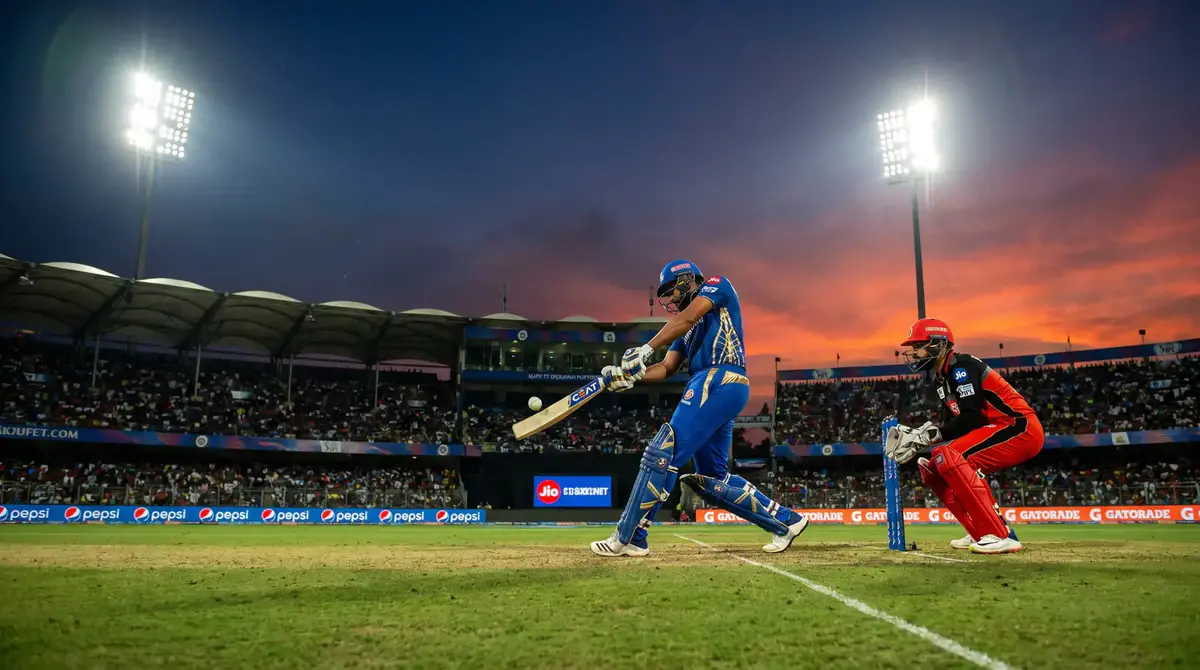
In T20 cricket, the team batting second wins approximately 53-55% of matches. That is a meaningful statistical edge, but it is nowhere near large enough to build an entire strategy around. What it tells you is that chasing sides hold a slight structural advantage — dew, a known target, and the psychological clarity of knowing exactly what is needed. I factor this into my pre-match analysis as one input among many, not as a rule.
The real difference between formats shows up in market selection. T20 matches compress everything into 40 overs of high-intensity action, which makes player performance props and total runs markets especially attractive. A single T20 innings can swing by 30 runs in the final three overs, so the variance is enormous — and variance, for prepared bettors, means opportunity. For a deeper look at what makes the shortest format tick, I have written a dedicated breakdown of T20 cricket betting tips and fast-format strategies.
ODIs occupy the middle ground. The 50-over structure creates three distinct phases — powerplay, middle overs, and death — each with different scoring dynamics and market angles. The middle-overs phase, roughly overs 11 to 40, is the most analytically predictable portion of any cricket format. Teams tend to consolidate, run rates stabilise, and the data becomes more reliable. Betting on in-play run totals during this phase is one of the most underutilised approaches I know.
Test cricket is a different animal entirely. Five days, unlimited overs, a pitch that deteriorates session by session, and the draw as a genuine third outcome. The toss matters more here than in any other format — a 4-5% win probability shift based purely on the coin flip is significant when you are pricing a five-day match. Test betting rewards patience and a deep understanding of how surfaces evolve. Day four and five pitches in the subcontinent play nothing like day one, and your staking should reflect that shift.
Something worth noting about the audience itself: over 40% of cricket fans in the UK are aged 65 and above, while The Hundred — designed to attract younger viewers — has pulled its audience demographic down, with 31% of its viewers aged 18-44 compared to 24% for cricket overall. This demographic split matters for bettors because it affects which matches attract the most liquidity in betting markets. Higher liquidity generally means tighter odds and more efficient pricing, while lower-liquidity matches leave more room for finding value.
Understanding the format tells you which questions to ask. Understanding the odds tells you whether the answer is worth your money.
Reading Odds and Recognising Value
Early in my career, I treated odds as a prediction — if a bookmaker priced a team at 1.80, I assumed they had about a 55% chance of winning. That assumption cost me money for months before I understood what odds actually represent: a blend of probability, margin, and market positioning. Two of the largest UK operators capture over 50% of paid search advertising clicks in sports betting, which gives you a sense of how fiercely bookmakers compete for your attention — and how much their pricing reflects commercial strategy, not just pure probability.
| Component | Team A | Team B |
|---|---|---|
| Decimal Odds | 1.80 | 2.10 |
| Implied Probability | 55.6% | 47.6% |
| Combined Implied Probability | 103.2% (overround: 3.2%) | |
The combined implied probability exceeds 100% because the bookmaker has built in a 3.2% margin. Neither team's true probability is exactly what the odds suggest — both are slightly inflated to ensure the bookmaker profits regardless of outcome.
The concept of value is the single most important idea in betting. A value bet exists when your assessment of an outcome's probability is higher than the implied probability embedded in the odds. If you believe Team A has a 60% chance of winning but the odds imply only 55.6%, that is a value bet — you are getting a better price than the true probability warrants. Over hundreds of bets, consistently finding even small edges like this compounds into meaningful profit.
The difficulty, of course, is arriving at an accurate probability assessment. This is where cricket's data richness becomes a genuine advantage. Head-to-head records, venue-specific scoring averages, recent form across formats, bowling matchup data — all of these inputs feed into a probability model, whether you build it in a spreadsheet or carry it in your head through disciplined pre-match analysis.
Value identification in practice
Suppose you are analysing an ODI between England and Australia at a ground where teams batting second have won 60% of completed matches in the last three years. England win the toss and choose to bowl. A bookmaker prices England at decimal odds of 2.05, implying a 48.8% win probability.
Your analysis — factoring in the chasing advantage, England's strong recent chasing record (7 wins from 10 in the last 18 months), and Australia's reliance on two fast bowlers who have been rested for this match — suggests England's true win probability is closer to 55%.
Expected value calculation: (0.55 x 1.05) - (0.45 x 1.00) = 0.5775 - 0.45 = +0.1275. For every £1 staked, the expected return is +£0.13. That is a clear positive expected value bet.
The stake goes on. Not because England will definitely win, but because the price is wrong in your favour — and over time, those mispriced bets are where profit accumulates.

I want to stress that this process is not about being right on every individual bet. It is about being right on average, across a large sample. If your probability assessments are consistently more accurate than the bookmaker's implied probabilities by even a few percentage points, you will be profitable in the long run. For a thorough breakdown of how odds formats work, how margins differ between bookmakers, and how to spot line movement, I cover it all in my guide to cricket betting odds explained.
Live Betting: The Fastest-Growing Cricket Market
Picture this: a T20 match where the team batting first posts 185. The chasing side starts poorly — 22 for 2 after the powerplay. The pre-match favourite is now available at odds that would have been unthinkable two hours earlier. If your analysis tells you the remaining batting depth can handle the required run rate, that moment is an in-play opportunity that did not exist before the first ball was bowled.
11.9% CAGR
Growth rate of the in-play betting segment — the fastest-growing category in cricket wagering
75%
Share of global sports betting conducted through online channels
Live betting — also called in-play — is the segment of cricket wagering growing faster than any other. The in-play market is expanding at a compound annual growth rate of 11.9%, and it is easy to see why. Cricket's structure, with its natural breaks between deliveries, overs, and innings, creates constant re-pricing opportunities that few other sports can match. Every wicket, every boundary, every maiden over shifts the odds in real time, and the punter who understands the underlying dynamics of the match can identify mispriced moments that pre-match analysis simply cannot capture.
The online channel now accounts for roughly 75% of all sports betting globally, growing at 10.3% annually. Within that online space, live betting is the primary driver. Mobile access has made in-play wagering the default mode for a generation of punters who watch matches on one screen and bet on another. The speed and convenience are obvious advantages, but they also introduce risk — impulsive betting, chasing losses in real time, and overexposure to a single match.
Live cricket betting markets typically include next over runs, next wicket method, current batsman milestones, and updated match winner odds. The range of available markets tends to be widest in T20 and narrowest in Test cricket, where the slower pace limits the number of discrete re-pricing events per session.
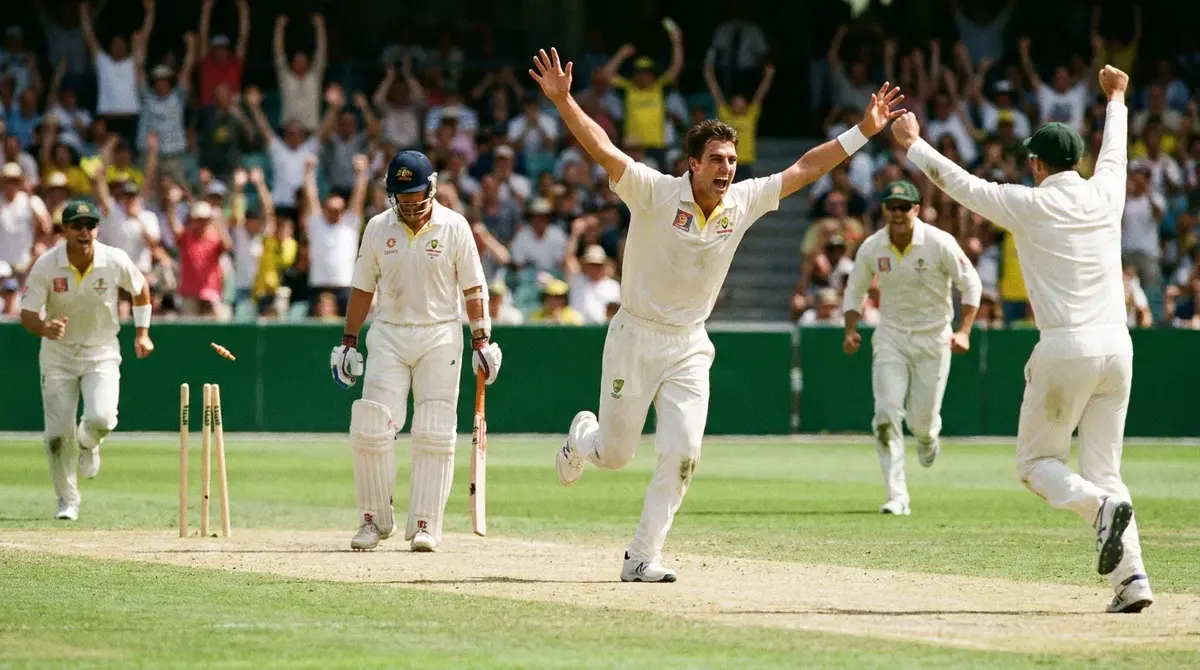
My approach to in-play betting is built around pre-identified triggers. Before a match starts, I note three to five scenarios that would create a value opportunity if they occur — a key wicket falling in the powerplay, a side falling behind the Duckworth-Lewis par score, a specific bowler conceding more than 12 in a single over. When one of those triggers fires during the match, I act. When none of them fire, I stay out. That discipline separates live betting as a strategy from live betting as entertainment.
The in-play market rewards preparation and punishes reaction. If you want to explore specific timing techniques, momentum reads, and format-specific live strategies in depth, I have built a dedicated resource for live cricket betting tips that breaks it all down.
Major Tournaments: IPL, The Hundred, Ashes, and Beyond
I once tracked my profit and loss across an entire IPL season — 74 matches over seven weeks — and the results told a clear story. My returns were highest in the tournament's first two weeks, when bookmakers were still adjusting to new squad compositions after the mega-auction, and lowest in the final stages, when pricing had caught up with form. Tournament structure matters as much as match analysis, and each major competition creates its own set of betting dynamics.
$18.5 billion
IPL brand valuation in 2025, up 12.9% year on year
350 million
Average audience per IPL match
£975 million
Total valuation of The Hundred's eight franchise sales
2.5 million
Cumulative spectators at The Hundred across five seasons

The IPL is the gravitational centre of cricket betting worldwide. The league generated approximately $10 billion across all revenue streams in 2025, with growth running at 15-20% annually. An average audience of 350 million viewers per match creates enormous betting liquidity, which in turn produces tighter odds and more efficient markets. For UK punters, the IPL's evening scheduling — matches typically start around 3:00 PM or 7:30 PM BST — makes it accessible in a way that domestic Australian cricket or early-morning Asian series are not. I cover the league's unique auction dynamics, venue factors, and in-play strategies in a separate guide to IPL betting tips.
Closer to home, The Hundred has rapidly established itself as a betting market worth taking seriously. The tournament surpassed 2.5 million cumulative spectators across its first five seasons, with 580,000 tickets sold in 2025 alone. Vikram Banerjee, the ECB's Managing Director of The Hundred, described this as "a hugely exciting time" for the competition, pointing to strong crowds and rising broadcast figures as proof of its momentum. The sale of the eight Hundred franchises for a combined £975 million — with over £500 million earmarked for reinvestment into English cricket — signals that the tournament's commercial trajectory is not slowing. For bettors, this means increasing market depth, more bookmaker attention, and sharper pricing as the competition matures.
The Ashes and ICC World Cup tournaments occupy different strategic ground. Both are high-profile, high-liquidity events where casual money floods into the market — and casual money often moves odds in irrational directions. I have seen Ashes series where the opening Test odds barely reflected the touring side's recent form in those specific conditions, purely because patriotic betting distorted the market. World Cup outright futures, meanwhile, offer the longest time horizons in cricket betting and reward punters who commit early, before squad news and warm-up results tighten the prices.

Each IPL match is valued at $13.4 million in media rights alone, based on the league's $6.2 billion media deal covering 2023 to 2027. That per-match media investment drives broadcast quality, data availability, and ultimately the volume of betting activity surrounding every fixture.
The practical takeaway across all tournaments is timing. Value in cricket futures erodes as information becomes public — squad announcements, practice reports, injury updates. The punter who acts on analysis before the market adjusts has a structural advantage over the one who waits for confirmation. Tournament betting is not about predicting the future perfectly; it is about pricing the present more accurately than the market does.
Pitch, Weather, and Toss: The Invisible Edge
Last summer I watched a county match at Headingley where the pitch looked like it had been rolled that morning — flat, pale, hard. Every bettor at the ground expected a batting paradise. By session two, the surface was offering inconsistent bounce and the seamers were extracting movement that had not been there in the warm-ups. The pre-match favourite, priced at 1.65, lost inside three days. The point is not that pitches are unpredictable — it is that most bettors rely on assumptions rather than observation, and the gap between assumption and reality is where money changes hands.
Conditions analysis is the most overlooked element in cricket betting. It is not glamorous, it does not generate shareable tips, and it requires effort that many punters simply skip. But in my experience, conditions analysis has been responsible for more value identifications than any other single factor in my process.
Pre-match conditions check — five steps before every wager
- Check the pitch report: look for colour (green means seam movement), cracks (spin later in the match), and moisture levels (early-morning overhead or uncovered overnight).
- Review the weather forecast for all sessions, not just the start: cloud cover increases swing, dew in evening matches aids chasing sides, and rain triggers DLS recalculations that reshape the market.
- Assess the toss impact for this specific format and venue: a 4-5% win probability shift in Tests is meaningful, while the 1.3% shift in T20 is often noise.
- Cross-reference ground history: what have the last five matches at this venue produced in terms of first-innings totals, result margins, and the success rate of teams batting first versus second?
- Factor in the time of day: day-night matches in the subcontinent introduce dew as a major variable; afternoon sessions in England often see the new ball swing more under cloud cover.

The toss is one of the most commonly discussed variables in cricket betting — and one of the most commonly overweighted. In T20 cricket, winning the toss shifts the win probability by approximately 1.3%. That is barely above statistical noise. In Test cricket, the shift rises to 4-5%, which is more significant, particularly on deteriorating pitches in South Asia where batting last becomes progressively harder. The toss matters — but it matters far less than pitch type, team composition, and recent form. I have seen bettors adjust their entire position based on the toss result alone, which is a reliable way to lose money over time.
Pitch conditions evolve during a match, especially in Test cricket. A surface that offers seam movement on day one may crack and turn by day four. Your pre-match analysis sets the starting point, but live reassessment of conditions — watching how the ball behaves, monitoring scoring rates by session — is essential for in-play betting decisions.
Weather, pitch, and toss are not three separate inputs. They interact. Cloud cover amplifies seam movement on a green pitch. Dew on a flat surface shifts the advantage to the chasing side. A toss decision to bat first on a pitch that will deteriorate only matters if the weather holds long enough for the deterioration to take effect. My pre-match routine treats these conditions as a single interconnected system, not three separate checkboxes — and that integrated view is consistently what separates the bets I feel good about from the ones I force.
UK Regulation, Tax Reform, and Playing Responsibly
On 1 April 2026, the Remote Gaming Duty in the UK doubled — from 21% to 40%. The General Betting Duty for online bets is set to rise from 15% to 25% from April 2027. If you have not yet thought about what that means for the odds you are offered, now is the time. Tax reform does not just affect operators. It reshapes the margins built into every price you see on screen, and pretending otherwise is a form of denial that costs money.
The UK remains the world's most comprehensively regulated betting market. The Gambling Act 2005 established the framework, the UK Gambling Commission enforces it, and every licensed operator must meet strict standards around fairness, security, and customer protection. Andrew Rhodes, CEO of the Gambling Commission, has been clear about the direction of travel: any operator without "well-developed algorithms, policies, procedures, interactions, and interventions" is, in his words, "increasingly an outlier." The regulatory bar is rising, and that is a good thing for punters who want a fair market.
The 2026 tax increases will generate an estimated £810 million in their first full year, rising to £1.16 billion annually by 2030-31. Operators will absorb some of that cost, but a portion will inevitably be passed through to customers via wider margins, reduced promotional offers, or adjusted odds. This is already visible in the market — if you compare cricket odds across multiple bookmakers, you will notice margins have crept upward since the announcement. Shopping for the best price across platforms has always been good practice; it is now essential.
Responsible gambling is not a tagline — it is a prerequisite for any sustainable betting approach. Set a dedicated betting bankroll, separate it from household finances, and never stake money you cannot afford to lose. If betting stops being enjoyable or feels compulsive, support is available through the National Gambling Helpline and specialist treatment services now administered by the NHS and the Office for Health Improvement and Disparities.
The regulatory landscape shifted again in early 2026 with the closure of GambleAware, the charity that had coordinated gambling harm research and treatment funding since 2002. Its functions — including the national helpline that fielded approximately 42,000 calls annually — have been transferred to state bodies. A new statutory gambling levy, introduced on 6 April 2025, now requires all operators to contribute between 0.1% and 1.1% of their gross gambling yield, and is expected to generate up to £100 million per year for research, prevention, and treatment.

The scale of gambling harm in the UK is not abstract. In 2024, an estimated 85,000 children experienced harm from gambling — double the figure from the previous year. The unlicensed gambling market has ballooned to £16.6 billion, more than three times its size in 2019, creating a shadow economy that operates without the consumer protections the regulated sector provides. These numbers should matter to every bettor, not just as social context, but as a practical reminder that operating within the licensed, regulated system is the only way to ensure your bets are settled fairly, your data is protected, and your access to support is guaranteed.
The 2026 tax reform has increased the cost of doing business for UK operators, which affects odds and promotions. The statutory levy funds harm prevention. GambleAware's functions are now state-run. For punters, the practical implication is straightforward: bet only with UKGC-licensed operators, compare odds more aggressively than ever, and maintain strict bankroll discipline. The regulatory system is designed to protect you — but only if you operate inside it.
Turning Data into Decisions
Somewhere around my fourth year of serious cricket betting, I stopped thinking of data as something that supports a decision and started thinking of it as the decision itself. The shift sounds subtle, but it changed everything. Instead of forming an opinion about a match and then looking for data to confirm it, I let the data form the opinion — and only placed the bet if the numbers aligned with a clear value signal. Confirmation bias is the silent killer of betting bankrolls, and the only reliable defence against it is a process that puts numbers before narratives.
Cricket is uniquely suited to data-driven wagering. As one of the three most heavily bet-on sports globally, the analytical infrastructure surrounding it has grown rapidly. Ball-by-ball data is now freely available for most professional matches, covering everything from run rates and boundary percentages to bowling economy by phase and batsman dismissal patterns. Platforms like ESPNcricinfo and CricViz have turned raw scorecards into layered statistical profiles that any serious punter can access.
My personal workflow before any match starts with three questions. First: does this match contain a clear analytical edge based on the available data? Second: does the available price reflect that edge, or has the market already priced it in? Third: does the edge fit my bankroll rules and staking plan? If the answer to all three is yes, I bet. If any one of them is no, I pass. There is no fourth question. There is no "I have a feeling about this one." Feelings are noise. Process is signal.
Building a simple cricket prediction model does not require advanced mathematics. A spreadsheet tracking recent team performance by format, venue averages for first-innings totals, and individual player form over the last 10 innings provides a solid foundation. The key is consistency — updating the data before every match and comparing your projections against the bookmaker's implied probabilities to identify where the two diverge.

The most common mistake I see among intermediate bettors is collecting data without acting on it. They track statistics, read pitch reports, follow player news — and then bet on the team they "like" anyway. The data is decoration, not function. If your process does not change which bets you place and which you skip, it is not a process at all.
Everything in this guide — markets, formats, odds, conditions, regulation — connects back to this principle. Data does not eliminate uncertainty. Cricket is too volatile, too influenced by individual moments of brilliance or failure, for any model to guarantee returns. What data does is tilt the long-term probability in your direction. Over 50 bets, variance dominates. Over 500, process dominates. Over 5,000, the punter with the better data wins. That is not a theory. It is arithmetic.
Cricket Betting Tips — Frequently Asked Questions
How do pitch and weather conditions affect cricket betting?
Pitch surface and weather are two of the most significant variables in cricket betting. A green-tinged pitch favours seam bowlers and typically produces lower totals, while dry, cracked surfaces offer more turn for spinners as the match progresses. Cloud cover increases the likelihood of swing bowling causing trouble for batsmen, and dew in evening or day-night matches can make the ball harder to grip, shifting the advantage toward the team batting second. These factors directly influence over/under lines, match winner odds, and top bowler markets. Checking detailed pitch reports and weather forecasts for every session — not just the first hour — is an essential step before placing any cricket wager.
What is the best strategy for betting on T20 cricket vs Test matches?
T20 and Test cricket require fundamentally different approaches. T20 is high-volatility — matches last around three hours, one explosive over can change the complexion entirely, and player performance props and total runs markets tend to offer the most value. Test cricket operates on a five-day horizon where patience, pitch deterioration analysis, and the draw as a genuine third outcome are central considerations. In T20, I focus on strike rates, boundary percentages, and death-overs data. In Tests, I look at batting averages by innings, bowling records on day four and five surfaces, and historical draw rates at the venue. Applying a T20 mindset to Test cricket, or vice versa, is one of the most reliable ways to lose money.
How important is the toss in cricket betting?
Less important than most people assume. In T20 cricket, winning the toss shifts the win probability by approximately 1.3% — barely above statistical noise. In Test cricket, the impact rises to 4-5%, which is more meaningful, especially on pitches expected to deteriorate significantly or in subcontinent conditions where batting last is a clear disadvantage. I treat the toss as one input among many in my pre-match analysis, not as a trigger to change my entire position. Overweighting the toss is a common error that leads to reactive, undisciplined betting.
What is value betting in cricket and how do I find it?
A value bet exists when your calculated probability of an outcome is higher than the implied probability embedded in the bookmaker's odds. For example, if you assess a team's win probability at 55% but the odds imply only 48%, that is a positive expected value bet. Finding value requires a systematic process: analyse team form, conditions, player matchups, and historical data, then convert your probability estimate into odds and compare it against what the bookmaker offers. Consistently identifying edges of even 2-3% over the implied probability produces long-term profit. The discipline is in backing your analysis when the numbers say yes, and walking away when they do not.
What are the most profitable cricket betting markets?
Profitability depends on the depth of your analysis, not the market itself. That said, certain markets tend to be less efficiently priced than others. Top batsman and top bowler markets often carry wider bookmaker margins, which paradoxically creates more room for value because the odds are less precisely calibrated. Over/under runs markets in T20 cricket are attractive for punters who track venue-specific scoring data closely. In-play markets, particularly around momentum shifts and key wickets, offer mispriced moments that disappear within minutes. The match winner market is the most liquid and tightly priced, so value there requires the most precise analysis to find.
How does in-play cricket betting work?
In-play or live betting allows you to place wagers after a match has started, with odds updating in real time based on what is happening on the field. Bookmakers reprice markets after every significant event — a wicket, a boundary, a maiden over, a rain delay. Available live markets typically include updated match winner, next over runs, current batsman runs, and next wicket method. The advantage of in-play betting is access to information that did not exist pre-match: how the pitch is actually behaving, which bowlers are finding rhythm, and how the batting order is responding to pressure. The risk is that the speed of live markets can encourage impulsive decisions — so I always define my in-play triggers before the match starts, not during it.
Is cricket betting legal in the UK?
Yes. Cricket betting is fully legal in the UK for adults aged 18 and over, provided you use an operator licensed by the UK Gambling Commission under the Gambling Act 2005. Licensed operators are required to meet strict standards around fair pricing, data protection, responsible gambling tools, and the settlement of bets. The regulatory landscape changed significantly in 2026 with the doubling of Remote Gaming Duty and the introduction of a statutory gambling levy on operators. Betting with unlicensed offshore operators — a market estimated at £16.6 billion — carries no consumer protection and is something I strongly advise against.
Articles
Prepared by the cricketbettipsonline.com editorial staff.
