

The Hundred Betting Tips Demand a Format-Specific Playbook
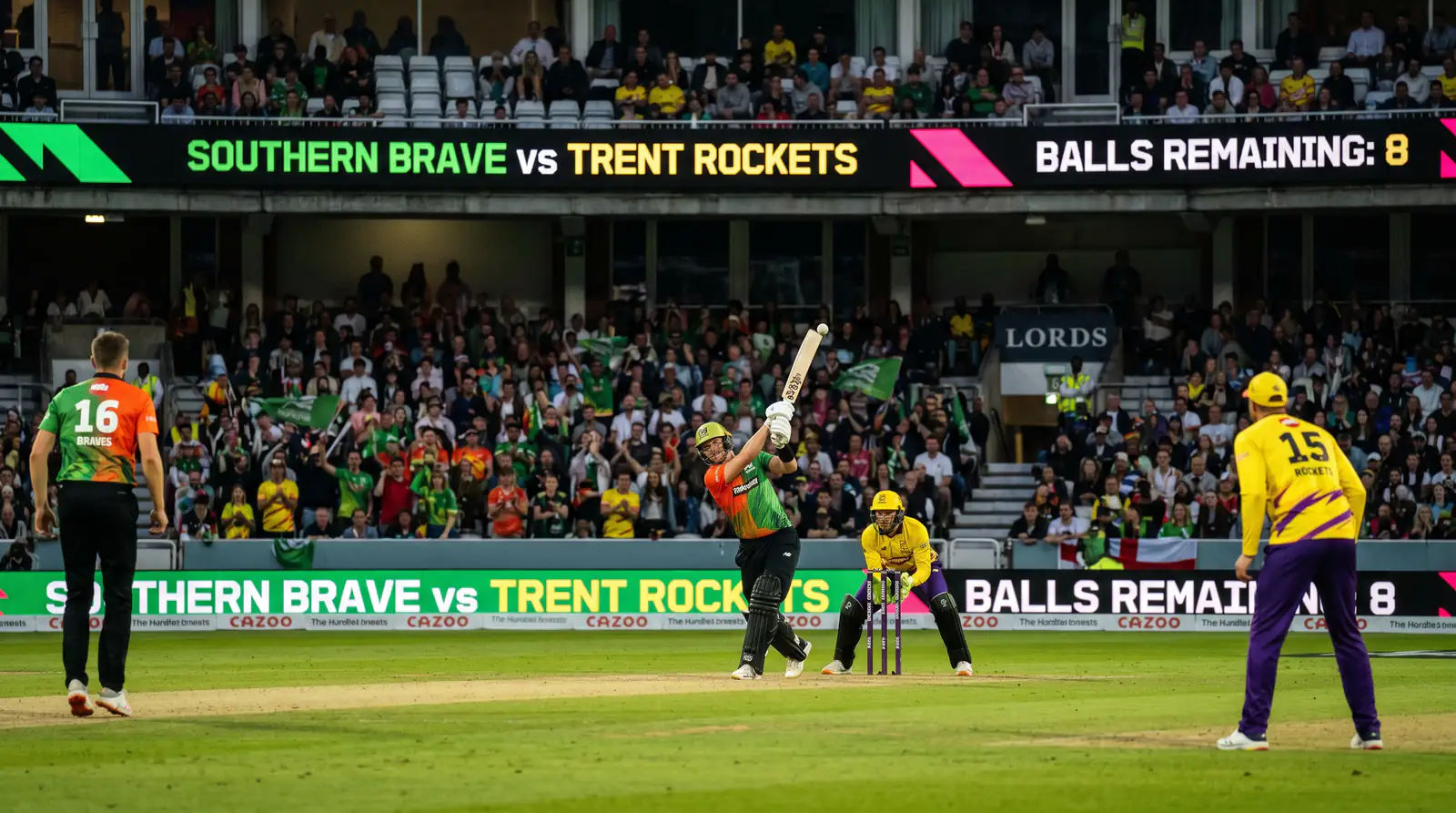
When The Hundred launched in 2021, I assumed it was just T20 with a rebrand. I was wrong, and the first season cost me money because of that assumption. One hundred balls per innings instead of 120 changes the arithmetic of every batting and bowling decision. The strategic bowler who changes ends mid-over, the ten-ball spell from a single bowler, the different rhythm of innings phases — all of these produce outcomes that deviate from standard T20 patterns in ways that the betting market has been slow to price correctly.
The competition has surpassed 2.5 million cumulative attendees across its first five seasons, with 580,000 tickets sold in 2025 alone. That growth in popularity has driven growth in betting volume, and with the franchise sales completed in late 2025, the commercial infrastructure around The Hundred is now more serious than ever. For punters willing to learn the format’s quirks, there is genuine value in a market that most bookmakers still model using T20 baselines.
What Makes The Hundred Different from Standard T20
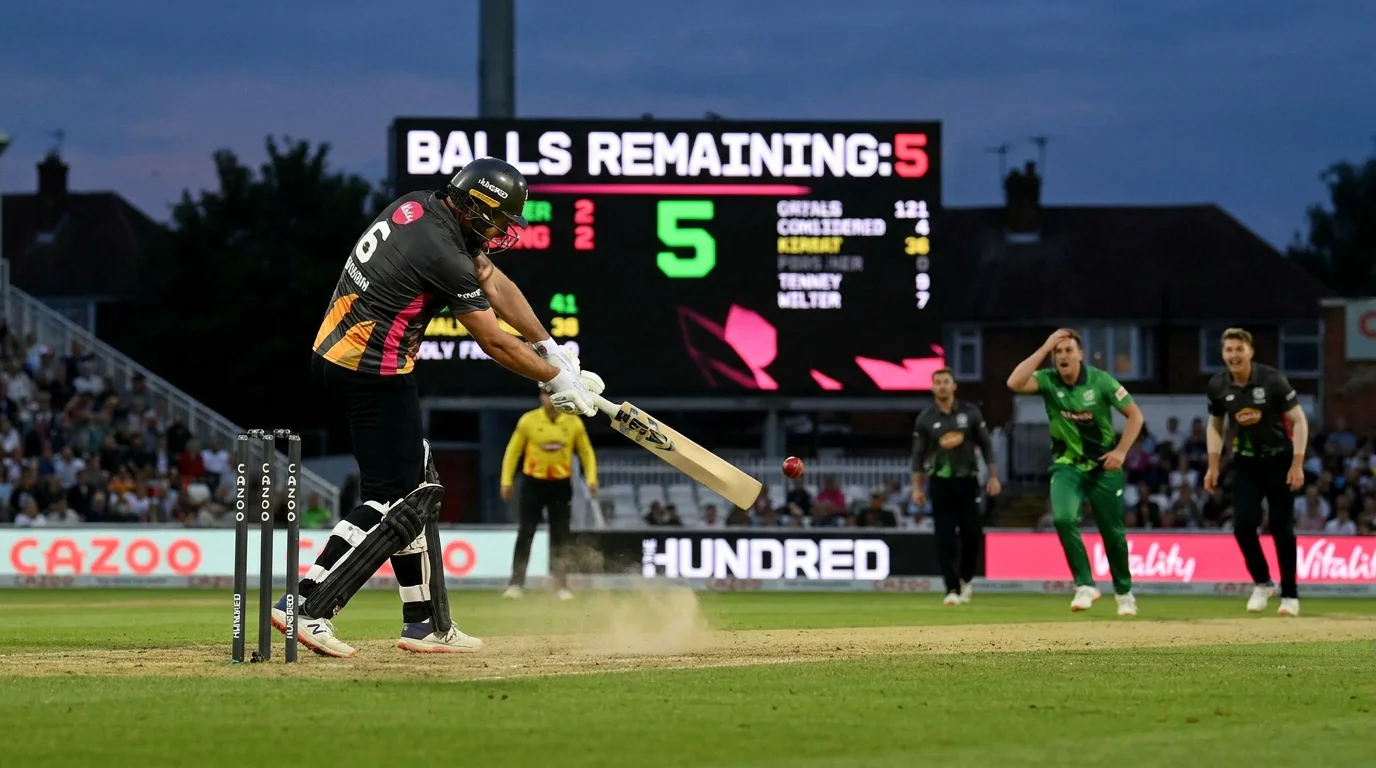
The most obvious difference — 100 balls versus 120 — has cascading effects that are not immediately intuitive. Twenty fewer balls means roughly 17% less batting opportunity per innings. That compression changes the optimal batting approach: batsmen cannot afford a slow start because the recovery window is narrower. In standard T20, a team that scores 30/1 from the first four overs can still reach 170 with a strong middle phase. In The Hundred, the equivalent start leaves too little runway to compensate.
Bowling strategy differs too. In T20, bowlers are limited to four overs each, but those overs must be bowled in separate spells. In The Hundred, a bowler can deliver consecutive sets of five balls, and the bowling captain can switch bowlers at any point mid-over. This flexibility means a captain can use a death-overs specialist for ten consecutive balls in the final phase rather than rationing them across two separate spells. The Hundred’s viewership on Sky Sports grew 38% in 2025 compared to 2024, and BBC Sport recorded 2.2 million online views, up from 1.6 million. That audience growth has sharpened bookmaker attention, but the pricing models still lean heavily on T20 data rather than Hundred-specific patterns.
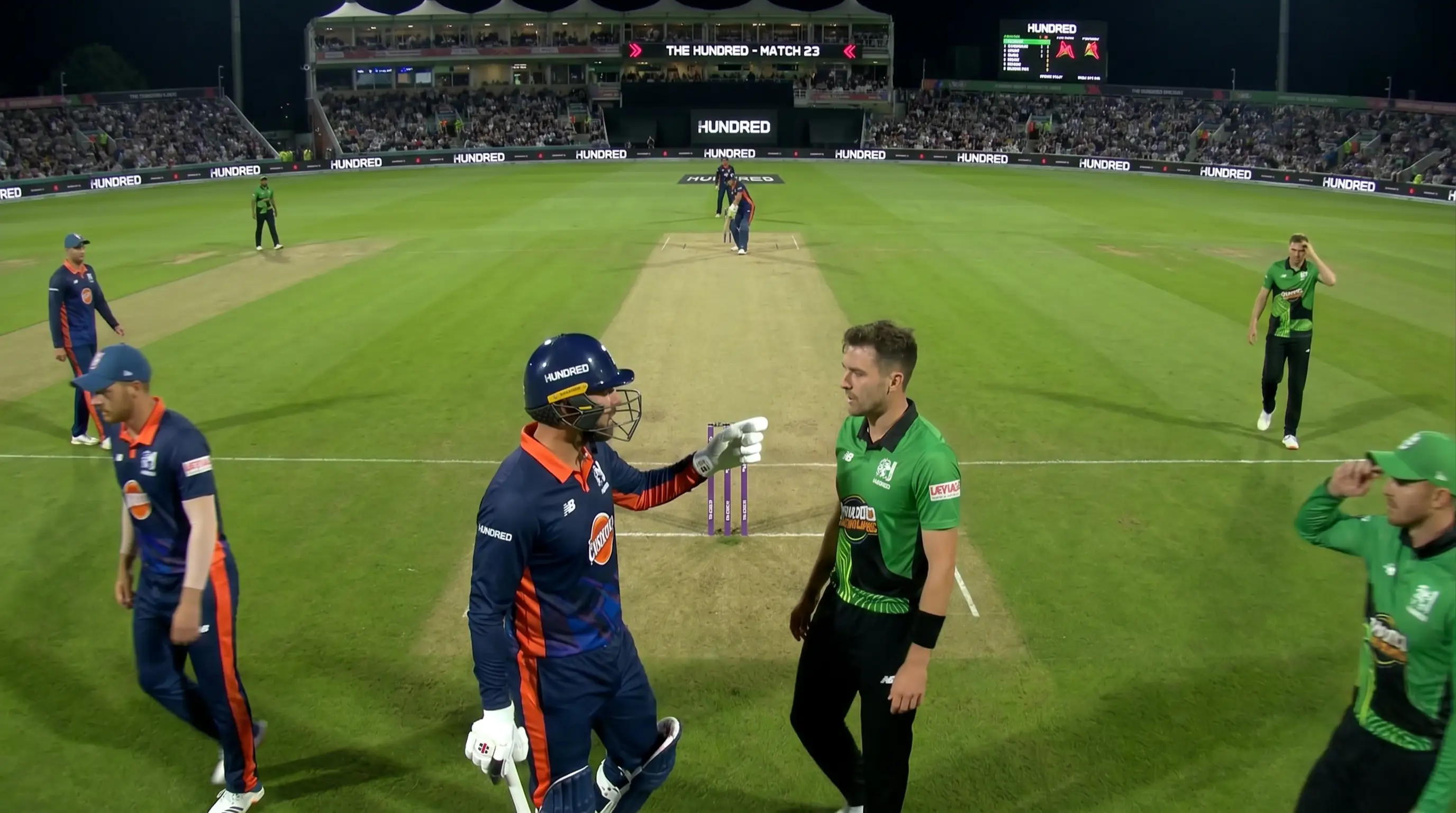
The tactical impact on betting is significant. Scoring rates in The Hundred are slightly lower than in T20 because the shorter format compresses the power-hitting window. Over/under lines set using T20 averages systematically overestimate Hundred totals, and I have profited consistently by taking the under on first-innings run lines during the early weeks of each season before the market adjusts.
The Hundred’s Growth: Crowds, Broadcasts, and Franchise Sales
Vikram Banerjee, the ECB’s Managing Director of The Hundred, described the competition’s trajectory as “a hugely exciting time for The Hundred,” emphasising the importance of sustaining “strong crowds and viewing figures.” Those are not just marketing talking points — they translate directly into betting market liquidity and pricing sophistication.
The franchise sales completed in late 2025 valued the eight teams at a combined total exceeding £975 million, with more than £500 million earmarked for reinvestment in cricket. That level of investment signals permanence. Private ownership brings commercial pressure to build stronger squads, attract higher-profile international players, and invest in analytics — all of which make the competition more competitive and harder to predict, which is exactly the environment where sharp bettors thrive.
For the betting market, ownership changes have a specific implication: squad composition will shift dramatically as new owners recruit. Some teams will improve rapidly; others will take time to find their identity. The transition period creates pricing inefficiency because bookmakers do not have historical data for newly constituted squads. Early-season matches in The Hundred are now among the most value-rich fixtures on the cricket calendar, because the market is pricing teams based on brand rather than the actual players on the field.
Key Markets and Betting Angles for The Hundred
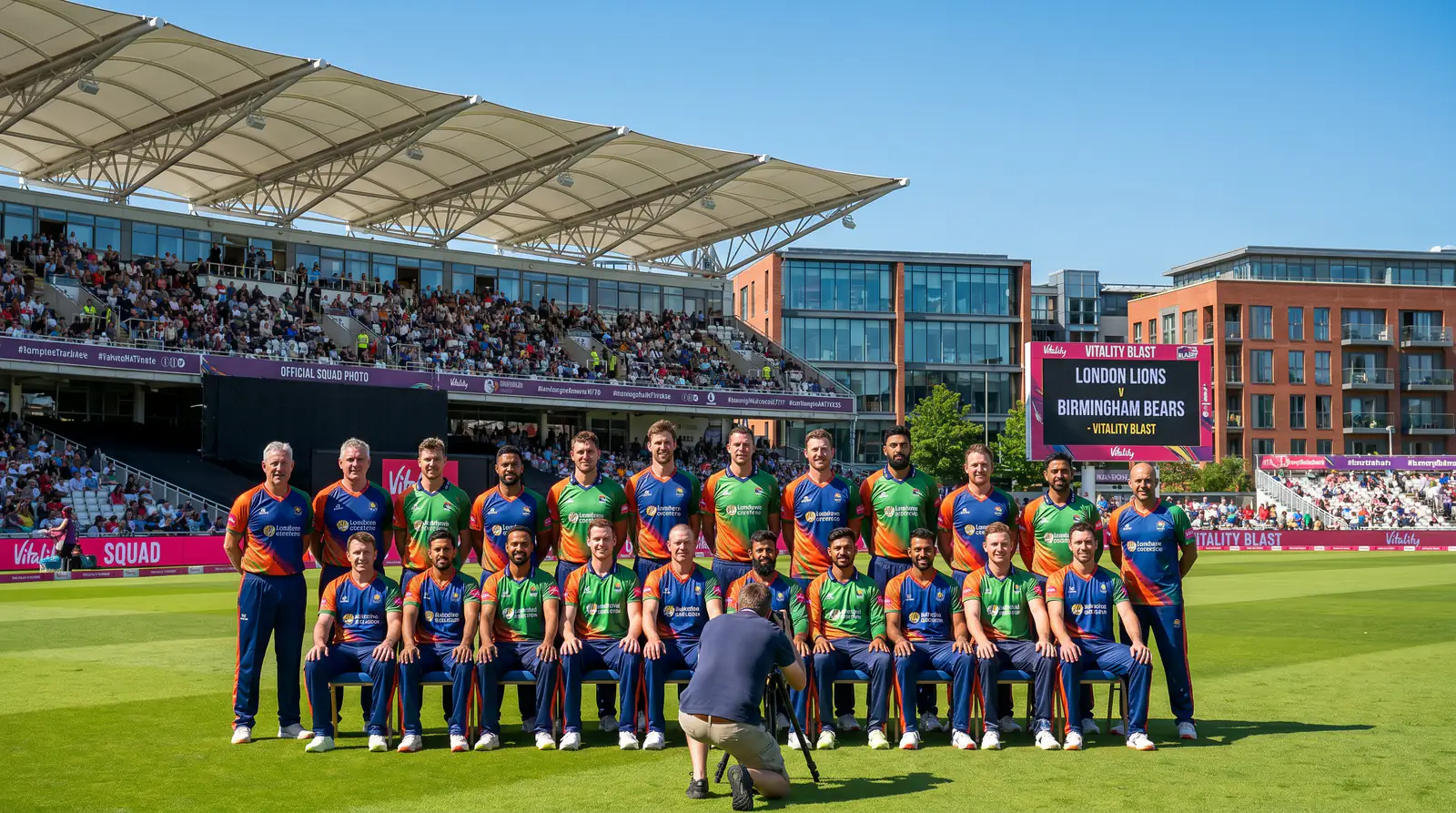
Over 40% of cricket fans in the UK are aged 65 and above, but The Hundred draws a younger demographic — 31% of its audience falls between 18 and 44, compared to 24% for cricket overall. That younger audience bets more actively on digital platforms, and the market depth for The Hundred has grown accordingly. Match-winner, top scorer, total runs, and wickets-in-the-powerplay are all available at major operators, with exchange liquidity improving each season.
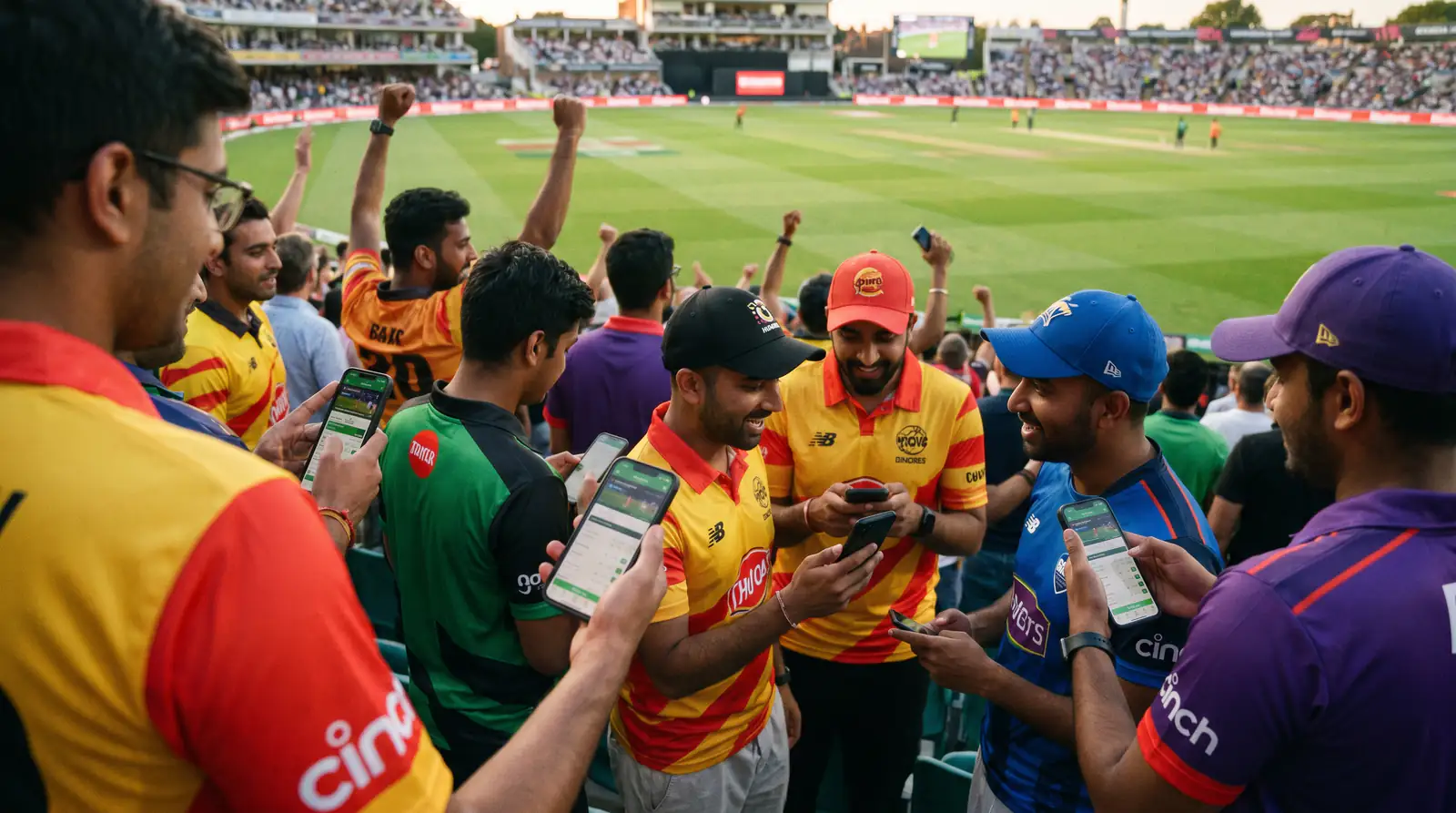
My most reliable angle in The Hundred is the top-scorer market. Because the format compresses batting opportunity, openers who bat through the innings dominate this market even more than in T20. A player who faces 50 of the 100 available balls has occupied half the innings — and in most matches, that player ends up as the top scorer. I look for openers with high strike rates in the first 30 balls of an innings, cross-reference their price, and back them when the odds undervalue their likelihood of batting deep.
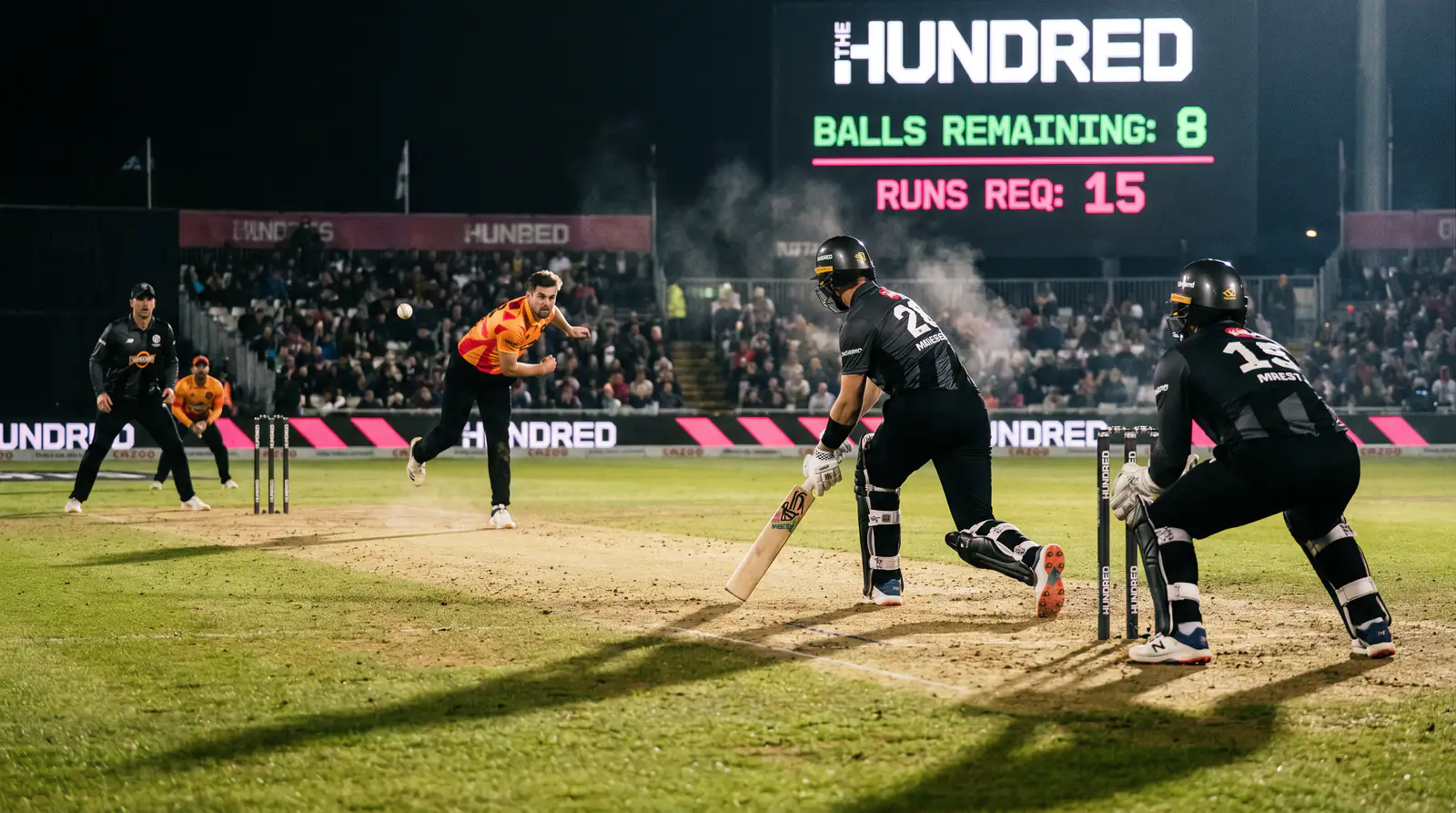
The bowling-change mechanic is another edge. Because captains can switch bowlers mid-over, the death phase of a Hundred innings can be dominated by a single specialist bowler in a way that T20 does not allow. I track which bowlers get the final 15 to 20 balls and how their economy rate in that phase compares to the T20 equivalent. When a proven death bowler is available at generous top-bowler odds, the format’s rules work in his favour more than the market recognises.
The Hundred Betting Tips — Questions Answered
Articles
Published by the cricketbettipsonline.com team.
