


Cricket Betting Markets Have Multiplied — and Most Punters Stick to Just One
A major T20 international now offers 60 or more individual betting markets per match. Match winner. Top batsman. Top bowler. Total runs. Powerplay score. Individual player over/under. Method of dismissal for the next wicket. Six to be scored in the next over. The depth is remarkable — and almost entirely unexplored by the average bettor, who backs the match winner and calls it a day.
I spent my first two years betting on nothing but match winners. My returns were mediocre. When I started diversifying into secondary markets in 2020, my ROI jumped by 6 percentage points in the first season. The reason is structural: match-winner markets attract the most money, which means the bookmaker’s pricing is sharpest there. Secondary markets attract less volume, less scrutiny, and wider margins — but also more pricing errors. The in-play segment of cricket betting leads global market share with a compound annual growth rate of 11.9%, and that growth is driven by the explosion of markets available during every match.
Understanding what each market offers — not just how to bet it, but when it presents value — transforms your betting from a single-dimension exercise into a portfolio approach where different markets suit different match conditions.
Pre-Match Markets: Match Winner, Series Winner, and Outright
Match-winner is the foundation. Two outcomes in limited-overs cricket (Team A or Team B), three outcomes in Tests (add the draw). The price reflects the bookmaker’s assessment of each team’s probability of winning, with the overround baked in. Match-winner markets are the tightest-priced in cricket because they attract the most volume. Finding edges here requires either superior team analysis or catching late price movements before they settle.
Series-winner markets apply to multi-match contests — Test series, bilateral ODI or T20 series, and tournaments. These markets open well before the first match and move based on team news, form, and early results. The value in series markets often sits in the pre-series window, when prices are set using outdated assumptions about squad quality. A series market also carries a time advantage: you’re making one bet that covers multiple matches, which reduces the transaction cost of the overround compared to betting each match individually.

Tournament outright markets — World Cup winner, T20 World Cup winner, The Hundred champion — offer the longest odds and the highest variance. These markets reward patience and early entry. Prices are longest when the market opens, often six months before the tournament, and shorten as certainty increases. Backing a strong but undervalued team at 10/1 before the tournament starts is more profitable over the long run than backing the same team at 3/1 during the semi-finals.

Player Performance Markets: Top Batsman, Top Bowler, and Props
Player markets are where I make the majority of my profit, and where most bettors leave the most money on the table.
Top batsman asks you to pick which player will score the most runs in a team’s innings or across the match. The bookmaker prices this based primarily on batting average and position. What the price doesn’t adequately capture is the interaction between a batsman’s style and the specific match conditions. An opener who thrives against pace on bouncy pitches will be underpriced in Australia and overpriced in India. A middle-order accumulator who bats time is undervalued in matches where early wickets are likely because he’ll face more balls than the openers.
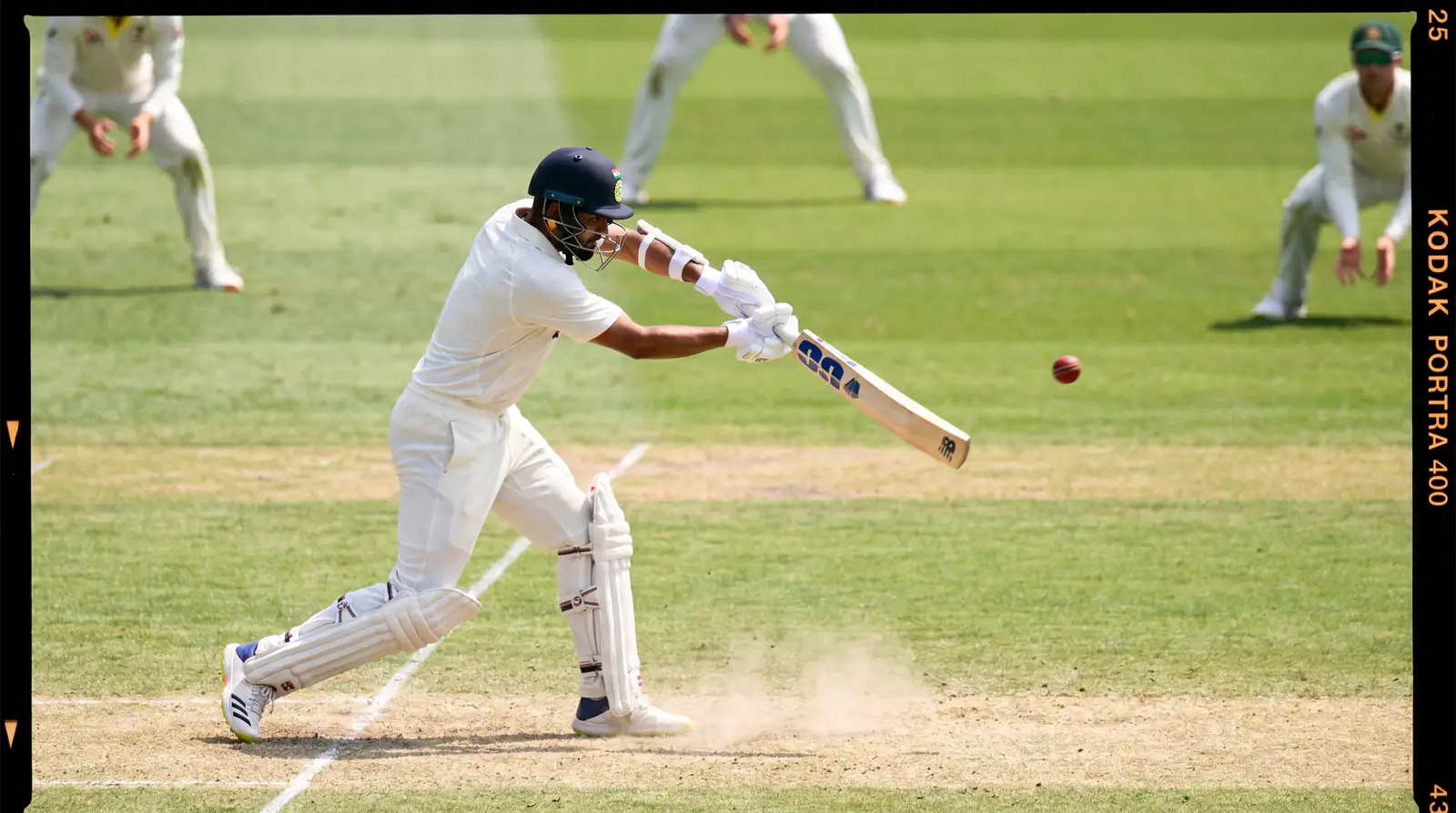
Top bowler works identically for wickets. The pricing error here is even more pronounced because bowling performance is more conditions-dependent than batting. A spinner priced at 4/1 on a green seaming pitch is a gift to the bookmaker. A seamer priced at 3/1 on a flat subcontinental track is equally poor value. Matching the bowler’s type to the conditions — before checking the price — is the correct order of analysis.
Player props — individual runs bands (will Player X score over/under 25.5?), wickets bands, and boundaries scored — are the least efficient cricket markets. They’re priced algorithmically by most bookmakers, with limited human oversight. The algorithms weight career averages heavily and adjust insufficiently for venue, opposition, and current form. A batsman averaging 30 overall but 50 in their last five innings at the specific ground will be systematically underpriced in these markets. If you’re willing to do the player-specific research that the algorithm skips, the returns are there.

In-Play Markets: Ball-by-Ball Volatility and Session Trading
The live markets that appear during a cricket match are the fastest-growing segment of cricket betting, and for good reason. Every delivery changes the state of the game, and every state change creates a new betting opportunity.
Next-over runs (over/under 6.5 in the next over, for example) is a pure volatility market. The pricing is largely statistical, based on the average runs scored per over at that stage of the innings. But the actual runs depend on the specific bowler-batsman matchup, and that granularity is where informed bettors find edges. A death-overs specialist bowling to a tailender should concede fewer runs than the average. A part-time spinner bowling to a set batsman should concede more. The line doesn’t always adjust for the matchup, and when it doesn’t, you bet accordingly.
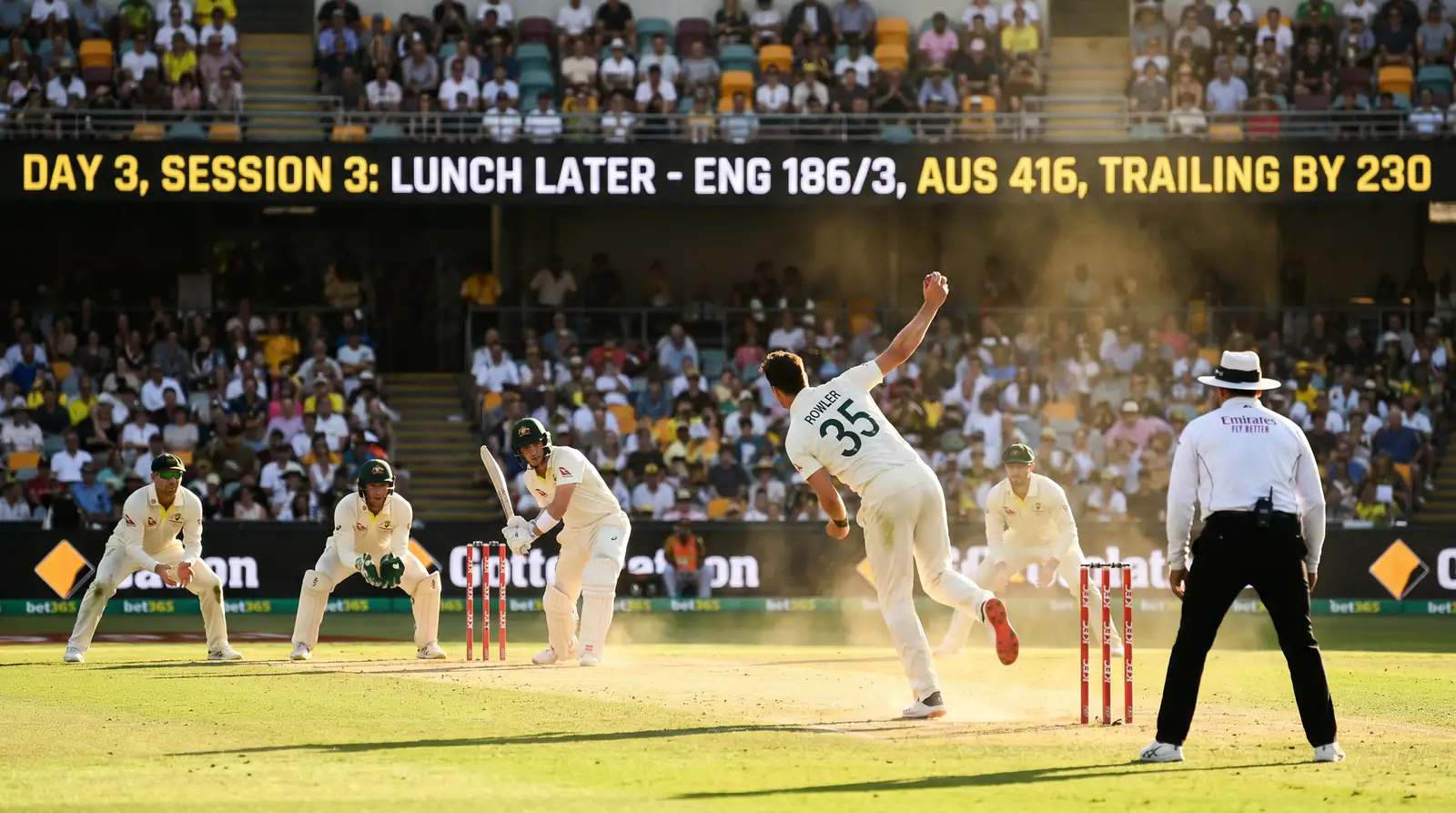
Session markets in Test cricket — runs in session, wickets in session — offer steadier value because sessions are longer units of play with more predictable ranges. A morning session in England under cloud cover will typically produce 2-3 wickets and 60-80 runs. An afternoon session on a flat pitch in clear conditions will produce 0-1 wickets and 80-100 runs. These patterns are consistent enough to exploit against session lines that are set generically. The key is developing live cricket betting discipline — knowing when the conditions create a predictable session and when volatility makes the outcome genuinely uncertain.
Live match-winner odds fluctuate with every delivery, and the biggest edges appear during momentum shifts that the market overreacts to. Two quick wickets in the powerplay might push the batting side’s odds from 1.80 to 2.40 — a 33% increase in implied probability that’s often larger than the actual shift in match dynamics. If the batting side has depth and the pitch is flat, the overreaction creates value on the side that just lost wickets.
Specialist Markets: Handicaps, Method of Dismissal, and Exotics
Beyond the core markets, cricket offers specialist bets that attract smaller volumes but can produce outsized returns for bettors with the right expertise.
Handicap markets — run lines in limited-overs, innings-margin lines in Tests — create value when the match-winner market is too one-sided. UK bettors collectively make approximately 290 million online bets per month on sporting events, but handicap markets in cricket absorb a tiny fraction of that volume. The low liquidity means wider margins but also more pricing errors, particularly in ODI handicaps where the bookmaker estimates the winning margin based on broad team-strength differentials rather than conditions-specific analysis.
Method of next dismissal (caught, bowled, LBW, run out, stumped) is a niche market that rewards bowler-specific knowledge. A pace bowler who consistently targets the stumps generates more bowled dismissals. A spinner on a turning pitch generates more LBW and caught-at-close decisions. A medium-pacer on a flat pitch generates more caught-behind and caught-at-slip chances. The market sets generic probabilities for each dismissal method; your edge comes from knowing which method is most likely given the specific bowler at the crease.
Exotic markets — coin-toss winner, first-ball outcome, race to 10 runs — carry the highest margins and the lowest analytical edge. They’re designed for entertainment, not profit. I steer clear of exotics because the overround is prohibitive and the outcomes are genuinely random or near-random. Your time is better spent researching a top-batsman selection than guessing whether the first delivery will be a dot ball or a single.
Cricket Betting Markets — Questions Answered
Articles
Written by the editors at cricketbettipsonline.com.
