

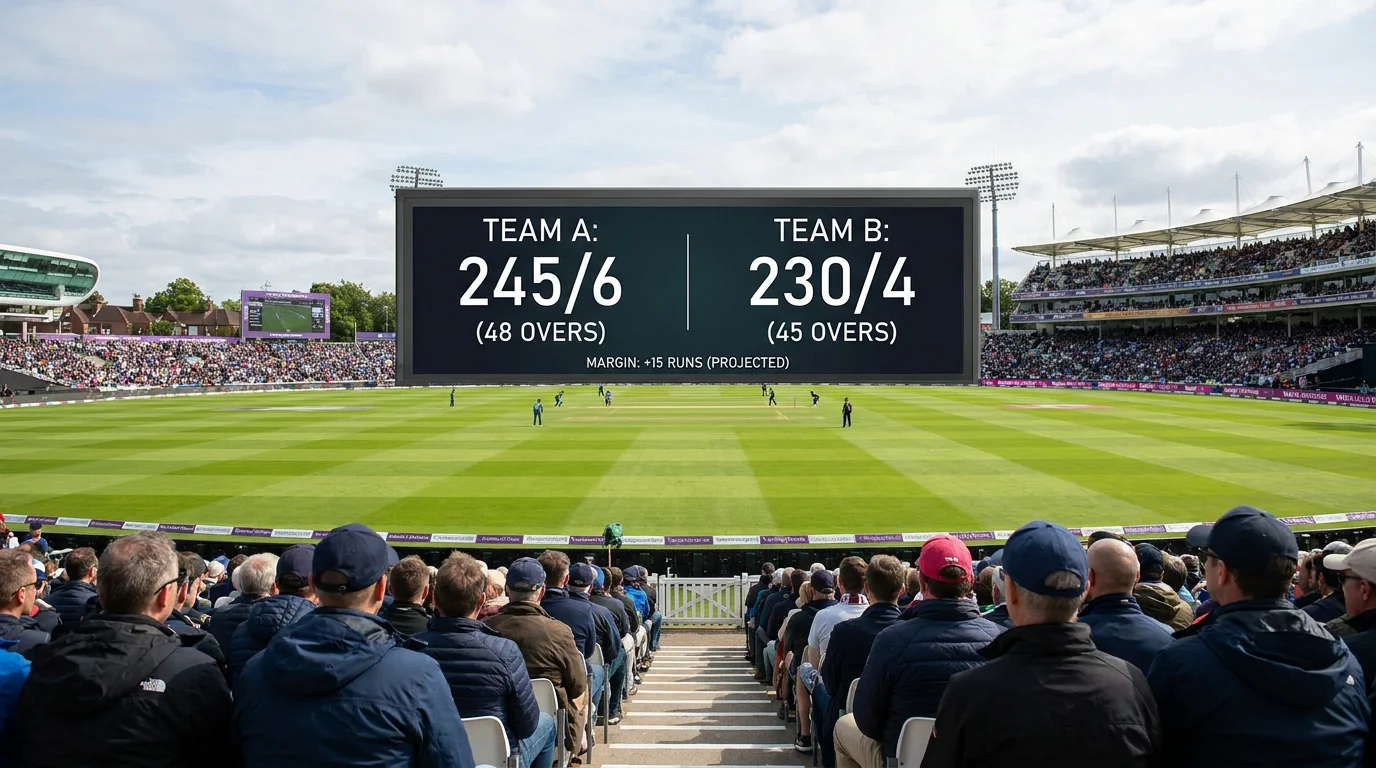
Cricket Handicap Betting Removes the Problem of One-Sided Odds
During the 2023 ODI World Cup, India played a qualifier against an Associate nation and the match-winner market priced India at 1.02 — a 98% implied probability. There was no value on either side. Backing India returned pennies. Backing the underdog was charity. But the handicap market told a completely different story: India minus 120.5 runs was priced at evens, and suddenly the match became a genuine betting contest.
That is the core appeal of handicap betting. It takes lopsided fixtures — the kind that dominate cricket schedules, where strong Test nations face emerging sides or franchise heavyweights play bottom-of-the-table opponents — and turns them into 50/50 propositions by adding or subtracting runs from one team’s total. In a global cricket betting market valued at $14.45 billion in 2024, handicap lines give punters a way to engage with every match on the calendar rather than waiting for the handful where the match-winner market offers genuine two-way action.
I started using handicap bets seriously around 2019, and they now account for roughly a quarter of my cricket wagering. They reward a different skill set than match-winner betting: instead of predicting who wins, you are predicting the margin of victory, and that requires a finer-grained understanding of how teams perform under specific conditions.
How Run Handicaps Work in Cricket
The mechanics are simpler than they first appear. Let me walk through an example. Suppose England are playing at home against Sri Lanka in a T20 international, and the bookmaker sets a handicap of Sri Lanka +18.5 runs. If Sri Lanka score 145, the handicap is applied after the match, adjusting their total to 163.5. If England scored 160, Sri Lanka “win” the handicap bet despite losing the actual match. If England scored 170, England cover the handicap.
The half-run (.5) eliminates the possibility of a tie on the handicap line, ensuring every bet settles as a win or a loss. Some bookmakers also offer whole-number handicaps with push rules, where your stake is refunded if the margin exactly matches the line, but the .5 format is standard in UK cricket betting.

Online betting now accounts for approximately 75% of the global sports betting market, growing at 10.3% annually, and handicap markets have expanded accordingly. Where once they were limited to pre-match pricing, most major operators now offer live handicap lines that adjust as the match unfolds. If a team loses three early wickets in a T20 chase, the live handicap shifts dramatically, and punters who read momentum well can find valuable entry points.
The size of the handicap is set by the bookmaker’s assessment of the expected margin. In T20 cricket, handicaps typically range from 5.5 to 30.5 runs. In ODIs, they can stretch to 80.5 or beyond for heavily mismatched sides. Test handicaps are less common because the draw adds a third outcome, but some operators offer first-innings handicaps that function identically to limited-overs versions.

Handicaps in T20, ODI, and Test: Where They Apply Best
Not every format suits handicap betting equally, and it took me a while to work out which matchups reward this approach. T20 is my favourite format for handicaps because the compressed scoring range means margins cluster tightly. A 15-run win is comprehensive in T20 cricket; a 15-run margin in an ODI barely qualifies as decisive. That tight clustering makes the handicap line sharper and the edge easier to identify.
In T20 franchise leagues, handicap betting thrives because team quality varies significantly within the same competition. A squad packed with international stars playing against a side missing their overseas contingent creates a clear ability gap, and the handicap market prices that gap more efficiently than the match-winner market, where short prices limit your return.
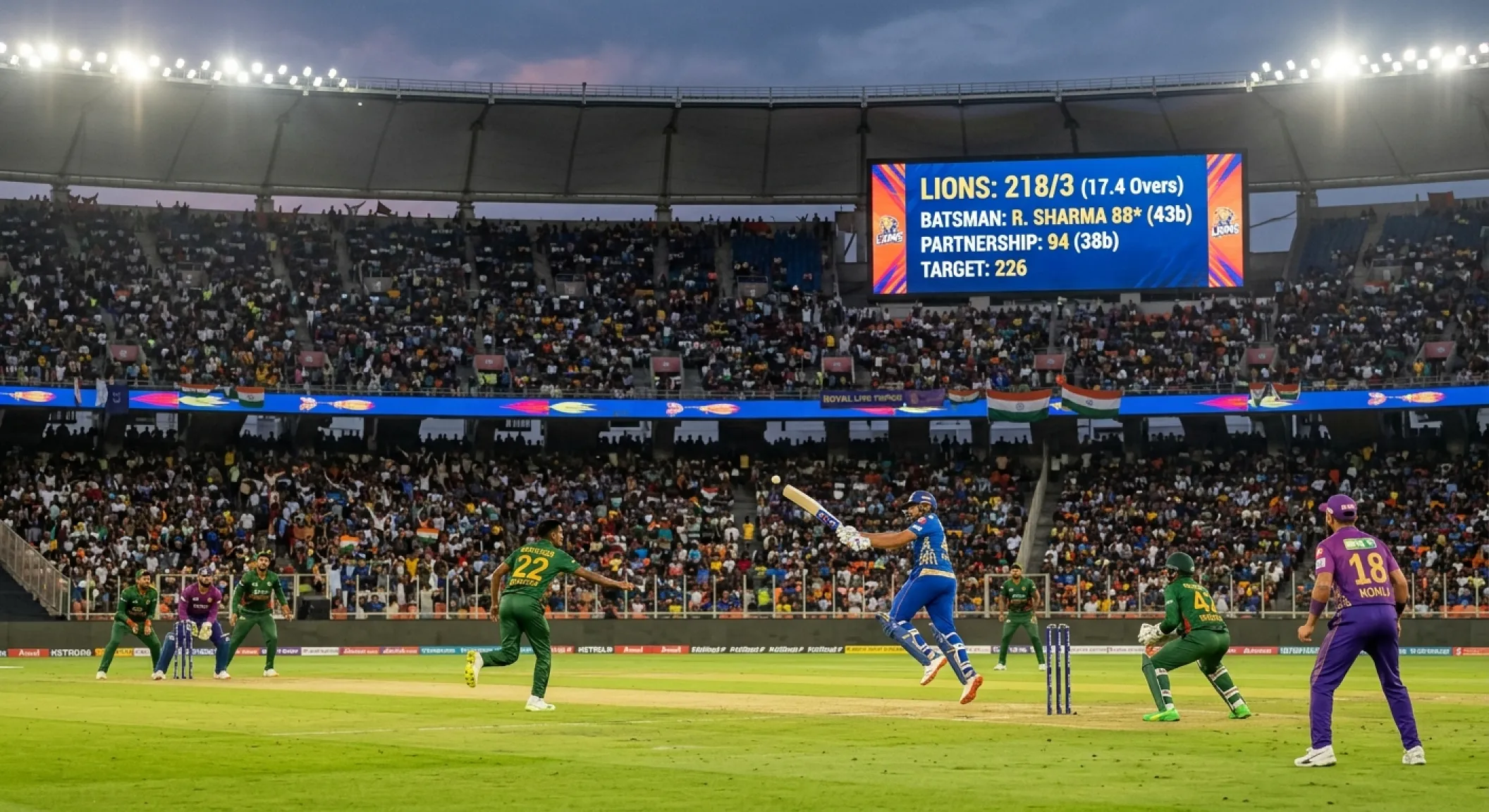
ODI handicaps are my second preference. The wider range of possible totals means the handicap line has to account for more variables, but it also means the bookmaker has more room to get the number wrong. I look for ODIs where conditions strongly favour one team’s bowling attack — for instance, a seam-friendly English ground where the home side’s bowling unit thrives — and check whether the handicap reflects the likely compression of the opposition’s batting total.
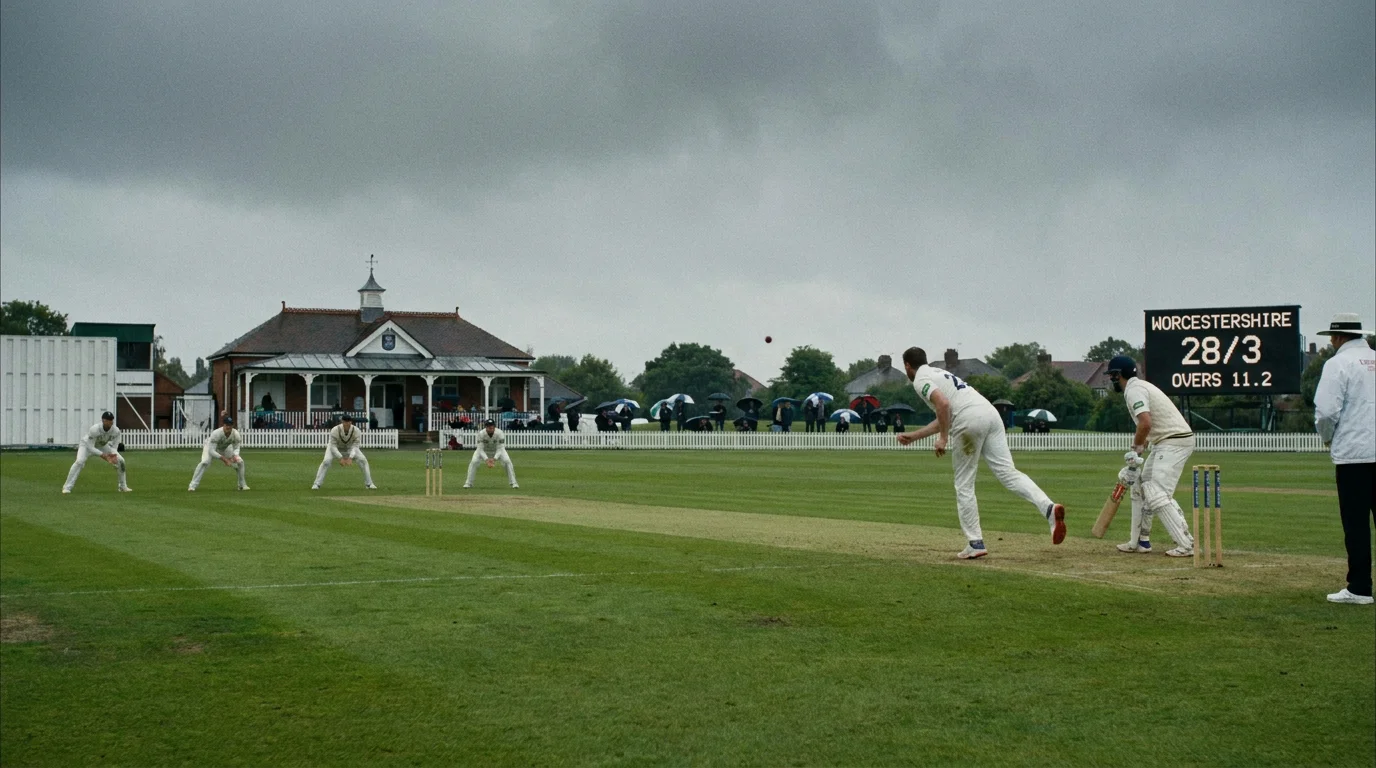
Test cricket is where handicaps are least useful in my experience. The draw outcome complicates the market, and five-day matches produce too many variables for a single run line to capture. If you bet on handicaps in Tests, stick to first-innings markets where the conditions are fresh and the pitch behaviour is most predictable.
Finding Handicap Value in Lopsided ODI Matchups
The best handicap opportunities hide in ODI cricket where one team is expected to dominate. My process starts with the expected first-innings total: based on conditions, team strength, and recent form at the venue, what will the batting side score? Then I estimate the likely chase performance of the opposition, factoring in their ability against the bowling types they will face and whether conditions will change between innings.
If I estimate India to score 310 and the opposition to manage 230, the expected margin is 80 runs. If the handicap line sits at +70.5 for the underdog, the market implies a tighter margin than my analysis suggests, and I take the favourite minus 70.5. If the line is at +90.5, the market expects a wider margin than I do, and the underdog plus the handicap becomes attractive.
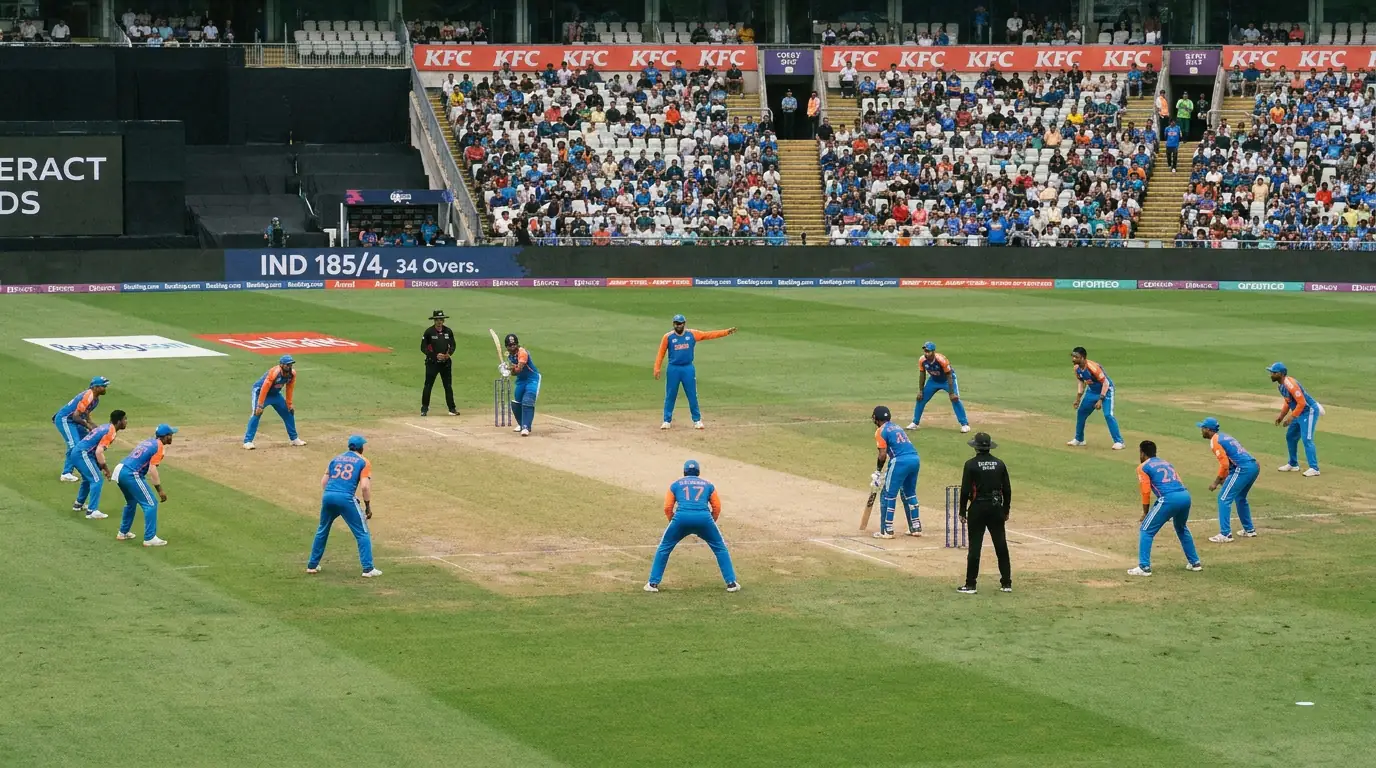
One variable that consistently catches bookmakers out in ODIs is the middle-overs squeeze. Weaker teams often keep pace with stronger opponents through the powerplay because fielding restrictions level the playing field, but fall behind dramatically in overs 15 through 35 when field placements tighten. That middle-overs collapse inflates the margin beyond what headline team rankings suggest, and handicap lines set purely on team ratings often underestimate it. I have built several profitable seasons around this single insight — and it works because most punters focus on the match-winner line and leave the handicap market to the specialists.

Articles
Written by the editors at cricketbettipsonline.com.
