

Death Overs Betting Is Chaos with a Pattern — and the Pattern Pays
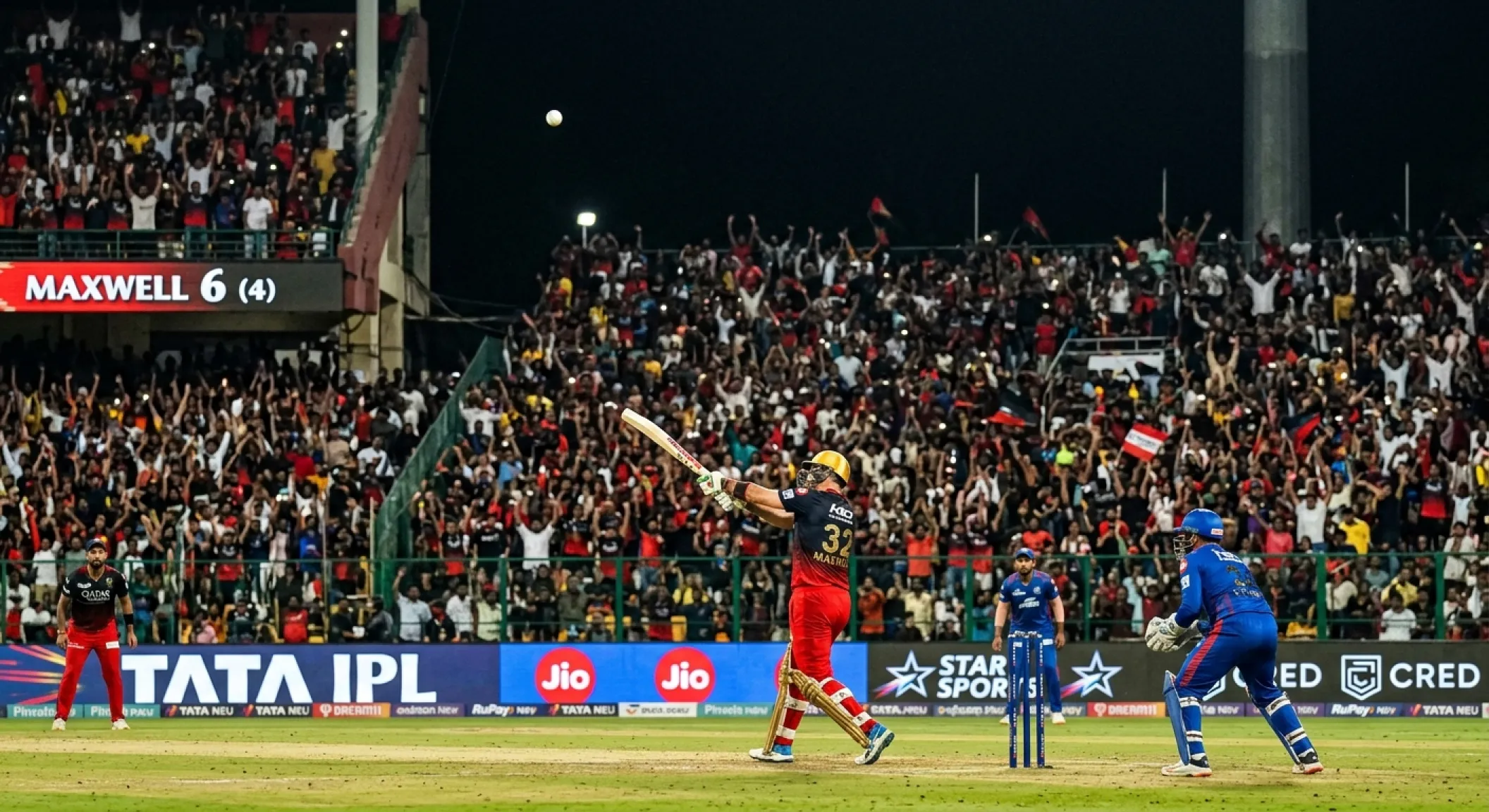
The most profitable single bet I ever placed came during the death overs of a 2022 IPL match. A team needed 42 runs from the last three overs with seven wickets in hand, the set batsman was one of the tournament’s leading run-scorers, and the bowling side had already used their best death-overs specialist. The live match-winner odds had the batting side at 1.65 — a price that implied a 60% chance of chasing down the target. My assessment, based on the remaining bowling options and the batsman’s death-overs strike rate, was closer to 75%. I backed the batting side at 1.65, they won with four balls to spare, and that single bet returned more than any pre-match wager I had placed all season.
Death overs — the final four to six overs of a limited-overs innings — are where the highest-scoring, most volatile, and most mispriced cricket occurs. The in-play betting market is expanding at a compound annual rate of 11.9% through 2030, and a disproportionate share of that growth sits in the final phase of T20 and ODI innings, where scoring rates spike, fortunes reverse, and bookmaker algorithms struggle to keep pace with the speed of change.
Why Death Overs Are Structurally Different from the Rest of the Innings
Between overs 16 and 20 in a T20, the average scoring rate across international cricket jumps to 10 to 12 runs per over — nearly double the middle-overs rate. That increase is not random; it is produced by structural factors that create predictable patterns for bettors who understand them.
Batsmen in the death overs are no longer building an innings — they are cashing in. The tactical approach shifts from risk management to maximum aggression, which means more boundaries, more wickets, and wider variance on every delivery. Field restrictions in the final five overs (a maximum of five fielders outside the circle in T20, four in the first and last powerplays of an ODI) limit the captain’s defensive options, creating gaps that set batsmen exploit systematically.
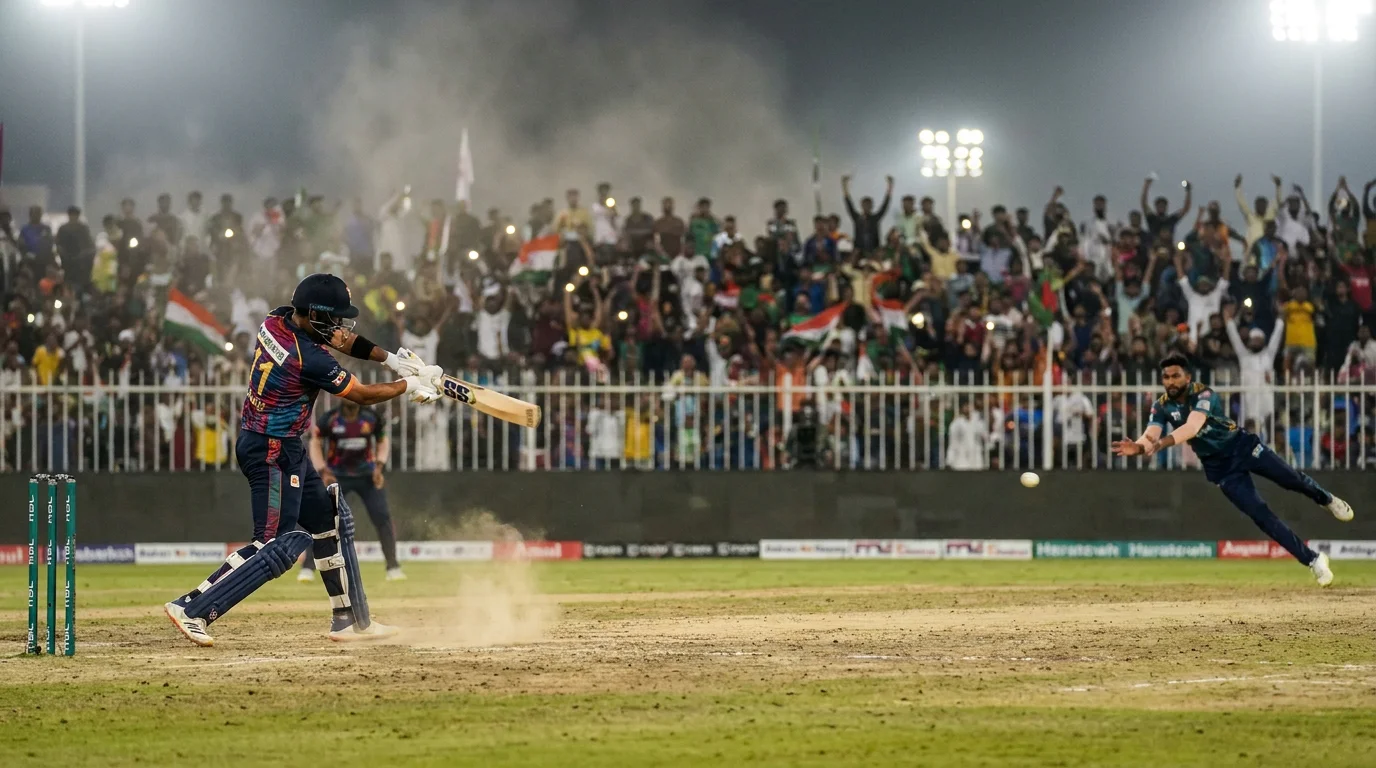
Bowling changes dramatically too. Captains save their death-overs specialists — bowlers who can execute yorkers, slower balls, and wide variations under pressure — for this phase. The quality gap between a genuine death-overs specialist and a part-time option is enormous. A specialist might concede 8 runs per over in the death phase; a non-specialist might leak 12 to 14. That four-to-six-run difference per over, multiplied across three or four overs, translates into a 15-to-25-run swing in the total — which is the difference between a competitive finish and a blowout.

Identifying Death-Overs Specialists: The Data That Matters
Last year I compiled death-overs economy rates for every bowler who delivered at least 30 balls in overs 17 to 20 across the IPL, Big Bash, and The Hundred. The spread was remarkable. The best death-overs bowlers maintained economy rates below 8.5, while the worst conceded over 12. More importantly, the data was consistent across seasons — the bowlers who were good at the death stayed good, and the ones who were poor stayed poor. Death-overs bowling is a skill that transfers reliably, which makes it one of the most predictable inputs in cricket betting.
I use three metrics to evaluate death-overs bowlers. Economy rate in overs 17 to 20 over the past two seasons is the primary measure. Dot-ball percentage in the death phase captures whether the bowler can create pressure deliveries that force batsmen into risky shots. And boundary percentage — the proportion of deliveries that go for four or six — indicates how often the bowler’s variations fail and gets smashed. A bowler with a sub-8.5 economy, above-30% dot-ball rate, and below-20% boundary percentage at the death is a genuine specialist whose presence in the bowling attack should push your total runs estimate down and your confidence in the bowling side up.
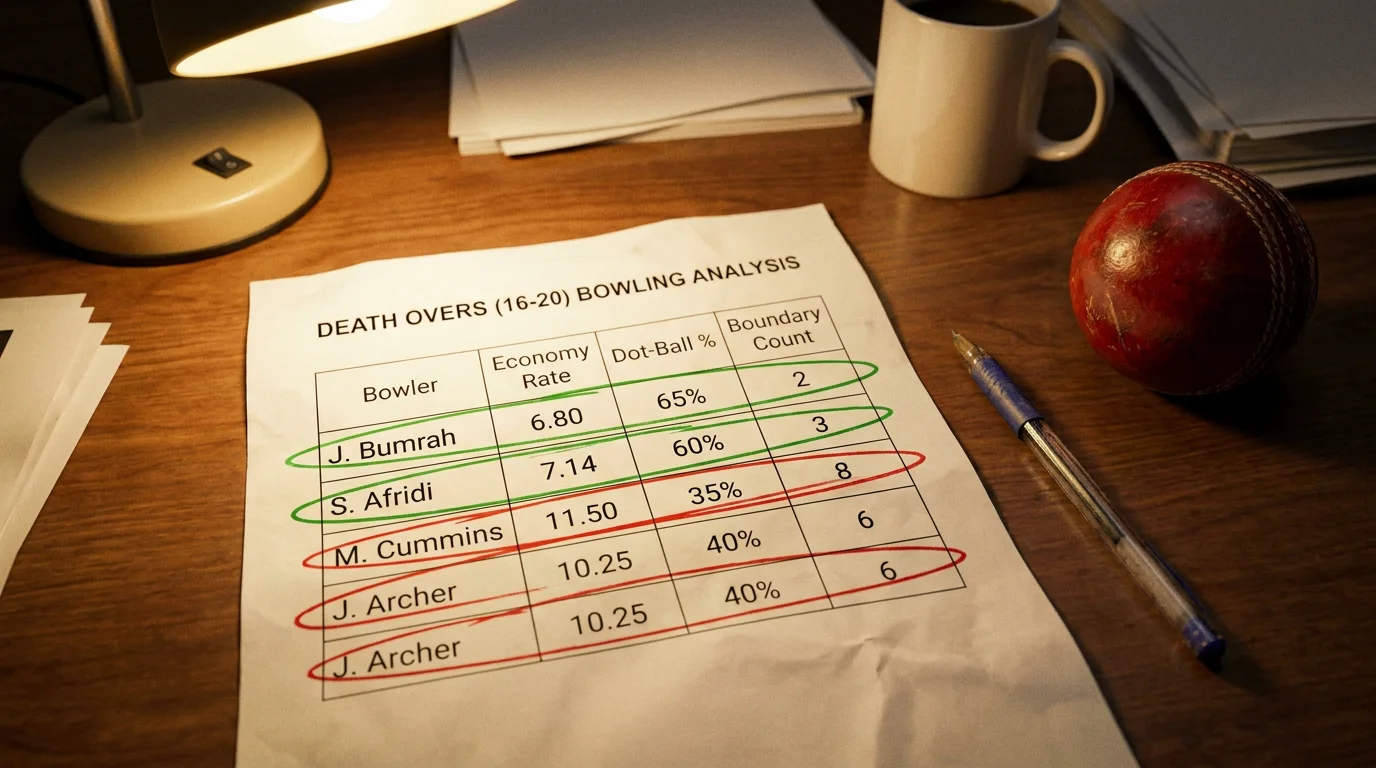
The betting application is direct. When a team has two genuine death-overs specialists available, total-runs lines for the match tend to be overestimated because the algorithm prices based on average death-overs scoring rates rather than the specific bowling quality on offer. Conversely, when a team’s primary death bowler is injured or rested and the captain will rely on a part-timer in overs 17 to 20, the total-runs line is likely set too low. I track ball-by-ball patterns during the middle overs to confirm which bowlers the captain is saving for the death phase, and I adjust my live bets accordingly.
Live Betting Tactics for the Death Overs
The death overs are where live betting becomes most rewarding and most dangerous simultaneously. Prices swing wildly: two sixes in a row can shift the match-winner odds by 30% or more, and a double-wicket over can reverse the entire market. The key to trading the death overs profitably is anchoring your assessment to structural factors rather than reacting emotionally to individual deliveries.
My framework for live death-overs betting starts with two numbers: required rate and remaining bowling quality. If the required rate is below 10 per over and the batting side has wickets in hand, the probability of a successful chase is above 65% regardless of what the live odds say in the moment. If the required rate exceeds 14 per over, the chase succeeds less than 30% of the time even with set batsmen at the crease. Between 10 and 14 is the zone where the bowling matchup becomes decisive — and where the biggest mispricings occur.

Online platforms now account for over 75% of the global betting market, and the mobile interfaces used by most punters make impulsive death-overs bets dangerously easy. I counteract that impulse by setting pre-match rules for myself: a maximum of two live bets during the death overs per match, a maximum stake of 1% of bankroll per bet, and a mandatory pause of at least one delivery between placing bets. Those rules prevent me from chasing momentum, overreacting to individual moments, and turning a disciplined strategy into a slot machine.

The most reliable death-overs edge I have found is backing the chasing side when they need 10 to 12 per over with six or more wickets in hand and the bowling side has already used both of its specialist death bowlers earlier in the innings. That specific scenario produces chasing wins at a rate well above the market’s implied probability, because the algorithm weights the required rate heavily but underweights the decline in bowling quality that occurs when the specialist options are exhausted.
Death Overs Betting in Cricket — Questions Answered
Articles
Written by the editors at cricketbettipsonline.com.
