

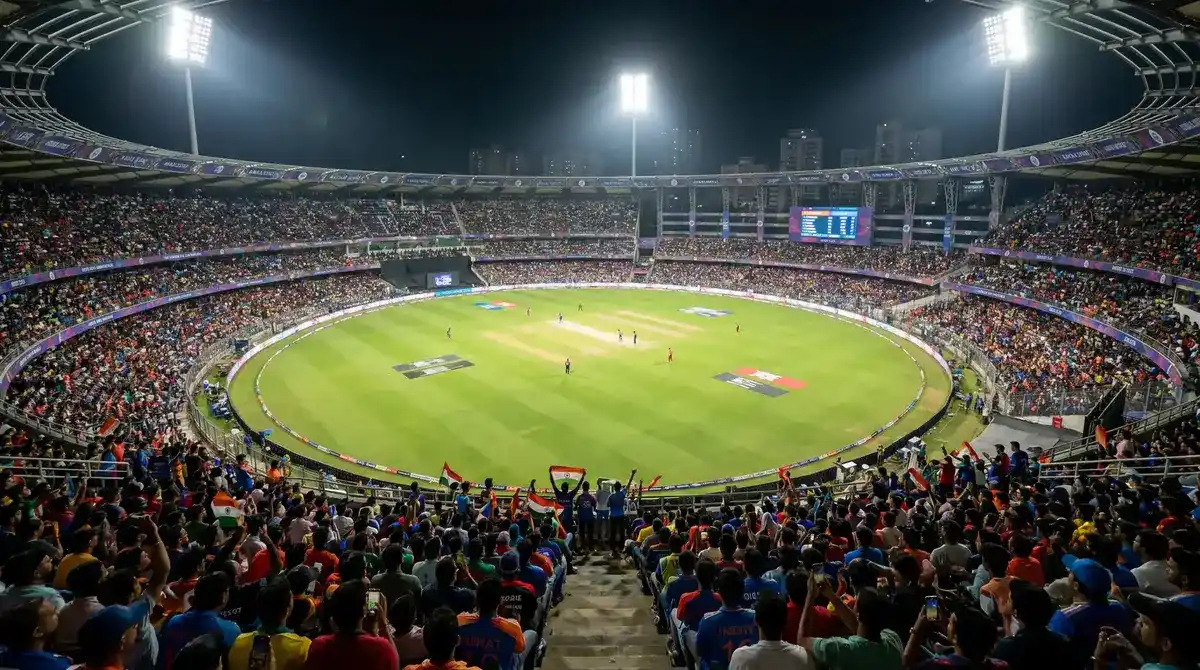
IPL Betting Tips Start with Understanding a $18.5 Billion Machine
The first time I bet on the IPL, I treated it like any other T20 league. I studied batting averages, checked recent form, and backed the stronger side. I lost money for three straight weeks. What I had not grasped was that the IPL operates on a completely different scale — financially, logistically, and emotionally — and that scale warps the betting markets in ways that standard T20 analysis misses entirely.
Consider the numbers: the IPL’s brand valuation reached $18.5 billion in 2025, up 12.9% on the previous year. Its brand value alone — the revenue-generating power of the name — hit $3.9 billion. No other cricket competition comes close. This is not just a sporting event; it is a global entertainment franchise that happens to be played with a bat and ball, and the economics behind it create betting dynamics you will not find in the Big Bash, the Hundred, or the Caribbean Premier League.
I have spent the last six seasons refining an IPL-specific approach that accounts for auction disruption, franchise financial incentives, subcontinental pitch behaviour, and the peculiarities of a league where every team plays on roughly the same circuit of grounds. This guide walks through that approach in detail. If you are wagering on the IPL with the same framework you use for county cricket or international T20s, you are leaving money on the table — or worse, handing it to punters who have adapted.
The IPL Betting Landscape: Revenue, Reach, and Growth
Numbers tell the IPL story faster than words. The league generated approximately $10 billion across all revenue streams in 2025, with growth running at 15-20% annually. Each match drew an average audience of 350 million viewers — not across the tournament, but per match. The media rights cycle covering 2023-2027 is worth $6.2 billion, which values every single IPL fixture at $13.4 million in broadcasting revenue alone. When a cricket match is worth that much to the broadcasters, every adjacent industry — betting included — scales accordingly.
Sports business consultant Vikram Malhotra, analysing the economic ripple effects of the 2025 season, noted that each IPL match generated approximately 25-30 crores in direct local economic activity across host cities. That figure captures the stadium economy — hospitality, ticketing, travel — but the betting market multiplier sits on top. When hundreds of millions of viewers are watching simultaneously, the volume of bets placed on any given delivery, over, or innings is staggering. That liquidity is what makes IPL markets some of the sharpest and most responsive in cricket.
For UK-based bettors, the IPL presents a timing advantage that I find underappreciated. Matches typically start at 15:00 or 15:30 BST, which means you can watch and wager during the afternoon and early evening rather than sacrificing sleep for Australian or Caribbean time zones. That scheduling detail matters more than it seems — fatigue degrades decision-making, and a bettor placing live wagers at 3am is not operating at the same level as one doing it at 4pm.
The franchise sale market provides another signal of the league’s trajectory. RCB changed hands for $1.78 billion in 2026, setting a record for cricket franchise valuation. When investors are paying that kind of premium for a team, they are pricing in decades of future revenue growth — and that growth is tightly correlated with betting market expansion. As the IPL’s commercial footprint expands, more bookmakers allocate resources to pricing its markets, which paradoxically creates both sharper odds on the main markets and wider margins on the niche ones. My edge as a specialist comes from understanding which markets fall into which category.
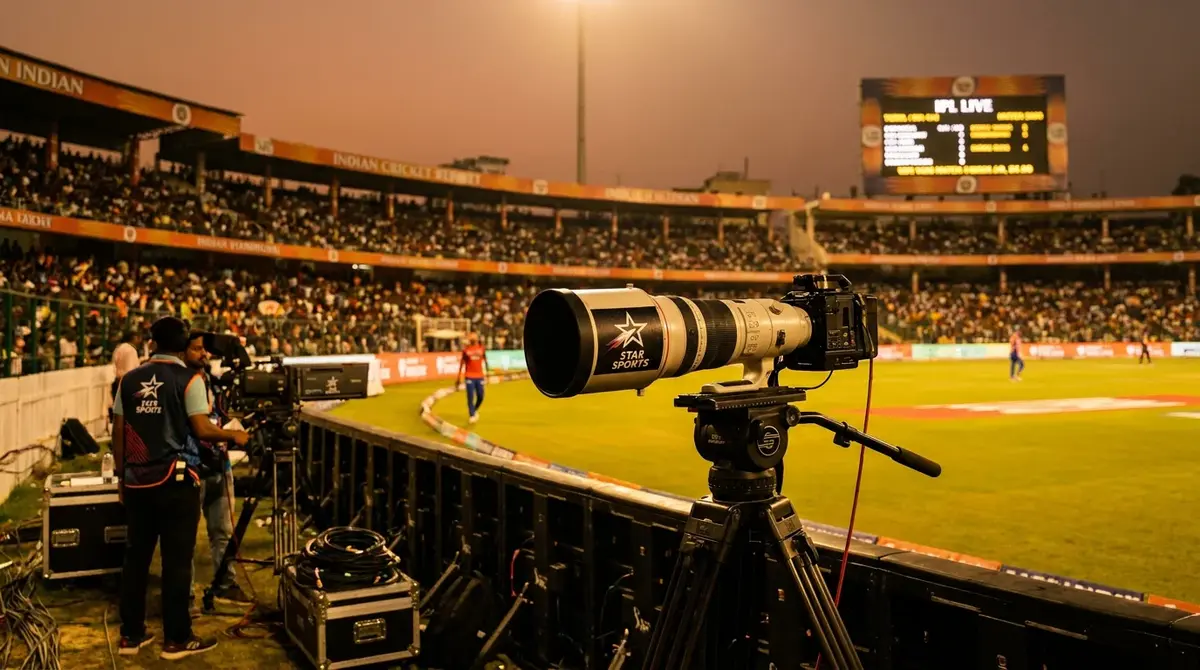
The scale also carries risk. Because IPL markets attract enormous global volume, prices move fast. A team announcement, a pitch report leak, or an injury update can shift the match-winner odds by ten ticks in under a minute. If you are not positioned before those moments, you are chasing the market — and chasers pay a premium. This is why my pre-match research for IPL fixtures starts the morning of the match and finishes before the toss, not after it.
IPL Markets Worth Targeting
Not all IPL markets are created equal, and the mistake I see most often is bettors gravitating towards match-winner simply because it is familiar. Match-winner in the IPL is the most efficiently priced market in all of cricket. The volume of money, the quality of the algorithms, and the depth of the analyst pool mean that edges on match-winner are razor-thin and short-lived. You can still find value there, but you have to work harder for smaller margins.
I concentrate my IPL wagering on three market families that consistently offer better returns: top batsman, over/under runs by innings, and player performance props.
Top-batsman markets in the IPL carry wider margins than match-winner because bookmakers struggle to model the impact of squad rotation, last-minute batting order changes, and the “impact player” substitution rule. In the 2025 season, I tracked multiple instances where an opener listed in the probable XI was dropped to number four in the actual lineup — a change that dramatically reduces top-batsman probability. If you monitor team social media, pre-match warm-up sessions, and captain press conferences, you can identify these shifts before the odds adjust. The window is short, sometimes twenty minutes between team sheet release and toss, but it is consistent.
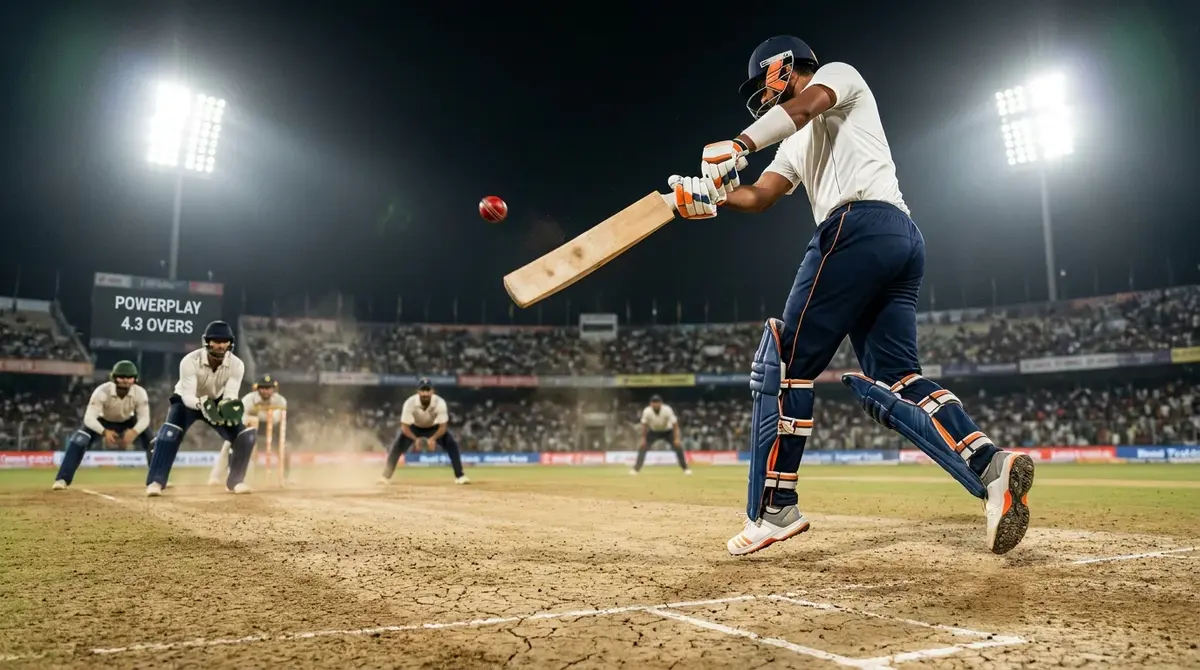
Over/under runs by innings is my second-highest-volume IPL market. The key variable is the specific ground. Indian venues produce wildly different scoring environments — a T20 at Wankhede Stadium in Mumbai tends to produce first-innings totals 15-20 runs higher than one at MA Chidambaram in Chennai on a typical spinning track. I maintain a personal database of average first-innings T20 scores by ground, updated after every season, and I set my own line before comparing it to the bookmaker’s. When my line and the bookmaker’s diverge by more than five runs, I act.
Player performance props — total runs scored by a named player, total wickets taken, total boundaries hit — offer the widest margins and the most exploitable inefficiencies. Bookmakers set these prices using broad career averages, but IPL performance is acutely sensitive to context. A batter facing a bowling attack that is weak against pace on a fast, bouncy surface in Mohali will outperform his average. A death-overs specialist bowler operating at Chinnaswamy, where dew makes yorkers skid through onto the bat, will underperform his. These contextual adjustments are where nine years of format-specific study pay off — I am not modelling from a generic statistical baseline but from a granular understanding of how the IPL’s unique conditions distort individual performance.
One market I actively avoid in the IPL is the outright tournament winner. The league’s two-stage structure — round-robin followed by playoffs — introduces enough variance that even a dominant team can exit in a single eliminator. I have seen table-toppers lose their first playoff match and watched fourth-place qualifiers ride momentum to the title. The outright market cannot adequately price that volatility, and neither can I. Better to take the sixty-plus individual match opportunities the season provides than to lock capital into a single position for two months.
How Mega-Auctions and Transfers Reshape IPL Odds
Every mega-auction is a reset button. Squads are dismantled, franchises retain a handful of players, and the rest are scattered across ten teams in a two-day bidding war. The 2025 mega-auction redistributed over 200 players, and the early weeks of the season that followed were pure chaos — new combinations, unfamiliar batting orders, bowling units that had never operated together in match conditions. I live for those opening weeks.
The reason is simple: bookmakers price early-season IPL matches based on pre-auction team ratings that no longer reflect reality. Their models incorporate historical franchise performance, but a franchise that finished second last year and lost its two best seamers at auction is not the same team. It takes the algorithms roughly four to five matches to recalibrate, and during that adjustment window, the human bettor with knowledge of the new squad composition has a genuine informational edge.
I prepare for each IPL season by studying the auction outcome in detail the day it concludes. I map every squad against its likely starting XI, identify which teams have strengthened in specific departments — death bowling, top-order batting, spin depth — and which have weakened. Then I overlay that squad assessment onto the early fixture schedule. A newly assembled team playing its first match away from home, in front of an unfamiliar crowd, against a settled opponent that retained its core — that is a classic early-season value opportunity for the opposing side.
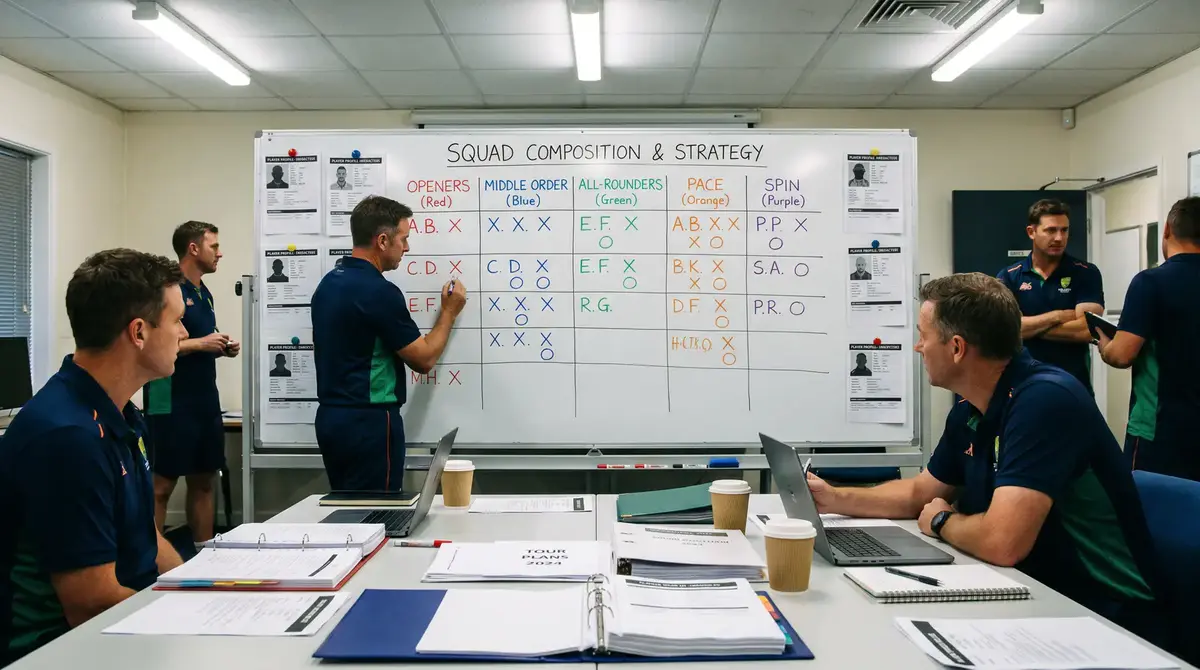
Mid-season trades and injury replacements create smaller versions of the same dynamic. When a franchise signs an overseas replacement for an injured star, the market often overreacts to the name. A high-profile replacement drafted in mid-tournament rarely hits the ground running — they lack the acclimatisation, the partnership rhythms, and the familiarity with the ground conditions. I treat replacement signings as a mild negative signal for the first two matches, regardless of the player’s global reputation.
The franchise valuation boom has introduced another layer of auction strategy. Wealthier franchises can afford to overpay for marquee players, which distorts squad balance. A team that spends 40% of its auction purse on two stars has less depth than one that spreads the budget evenly. I factor purse allocation into my early-season assessments because depth, not star power, wins tournaments that stretch across two months and seventy-plus matches.
Home Ground, Pitch, and Scheduling Factors
I lost a perfectly good pre-match analysis once because I forgot to check the start time. The match was a 7:30pm local kickoff in Hyderabad, which meant dew would be a factor by the 15th over of the second innings. My model had assumed a dry surface throughout. The chasing team won comfortably, and I was reminded — expensively — that IPL conditions are about far more than the pitch report.
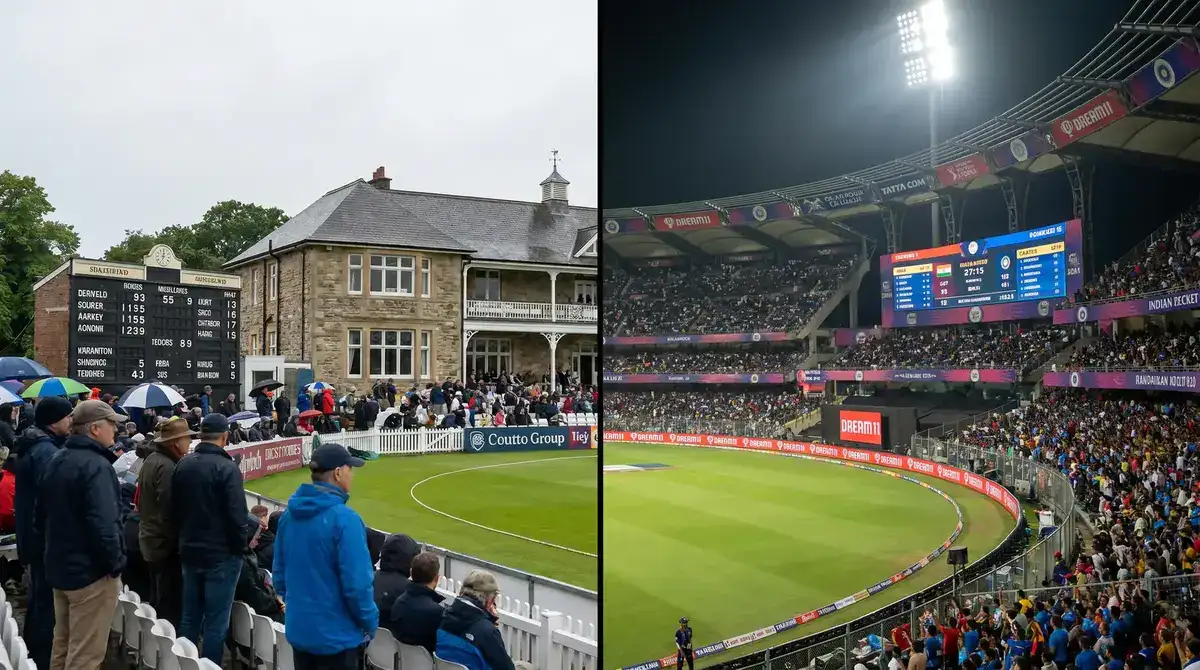
Home-ground advantage in the IPL is real but nuanced. Franchises play roughly half their matches at their designated home venue, and familiarity with local conditions — surface behaviour, boundary dimensions, wind patterns, altitude effects — gives them a genuine edge. Mumbai’s Wankhede is a batsman’s paradise where totals of 200 are routine. Chennai’s Chepauk spins sharply from the first ball and regularly produces winning totals of 150. Bengaluru’s Chinnaswamy sits at elevation, the ball carries further, and dew arrives early. I adjust my scoring expectations by venue before every fixture, and so should you.
Pitch behaviour in India varies more dramatically between grounds than in any other T20 league. Red soil produces bounce and carry. Black soil produces low, slow surfaces where cutters and slower balls are devastating. Laterite surfaces can crack unpredictably as the tournament progresses and the same ground hosts its fourth or fifth match on the same strip. I track how many matches have been played on each pitch during the season, because surface deterioration is a predictable and exploitable pattern — later matches on the same strip favour spin and lower totals.

Scheduling is the overlooked variable. The IPL compresses seventy-four league matches into roughly fifty days, which means teams play every two to three days with minimal recovery. Fatigue accumulates, and its effects are measurable: fast bowlers lose pace, fielding standards drop, and batsmen’s reaction times slow. When a team plays three matches in seven days, the third fixture is statistically more likely to produce underperformance from their pace attack. I cross-reference fixture congestion with squad depth — a team carrying five quality seamers can rotate and manage workloads, while a team relying on three will run their bowlers into the ground by mid-season.
The toss adds a final conditional layer. In T20 cricket broadly, the team batting second wins approximately 53-55% of the time, and in dew-affected IPL matches that percentage climbs even higher. I monitor evening humidity forecasts for each venue and increase my probability estimate for the chasing side when dew is likely. It is a small adjustment — usually two to four percentage points — but in a market where edges are measured in single digits, those points matter.
In-Play Opportunities Unique to the IPL
Live betting is where I make the majority of my IPL profit, and the reason is structural. The in-play cricket betting segment is growing at a compound annual rate of 11.9%, which means more liquidity, tighter spreads on main markets, but also more volatility on secondary ones. The IPL amplifies that volatility because of two features unique to the league: the strategic timeout and the impact player substitution.
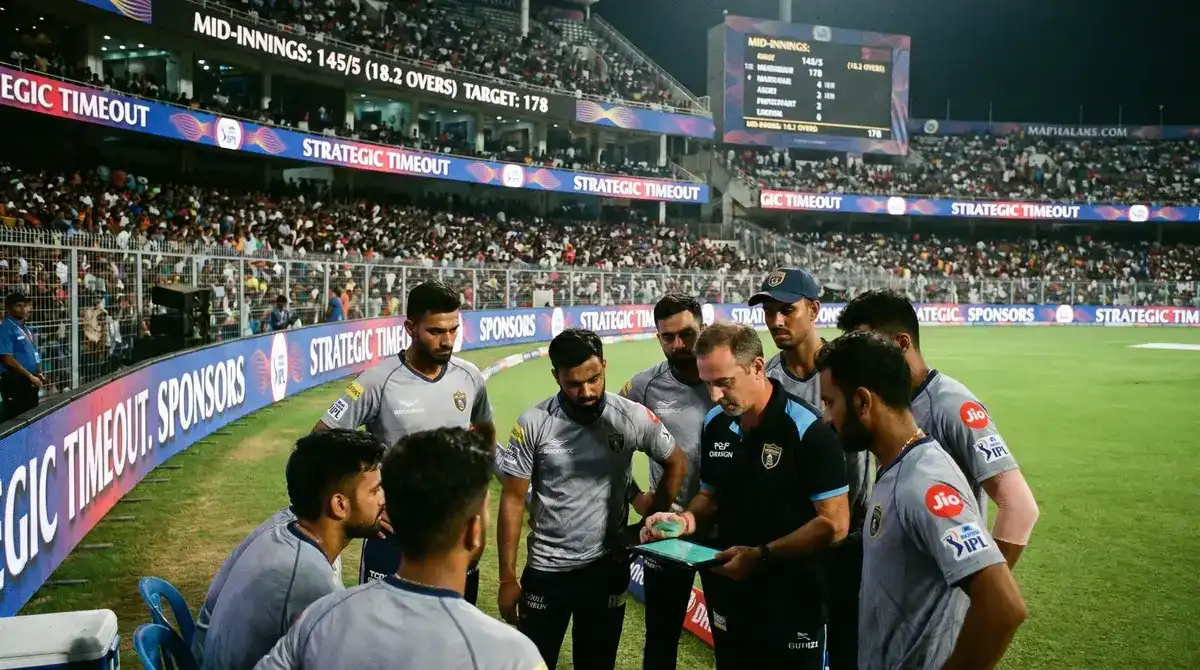
Strategic timeouts — mandatory breaks at designated overs — give you a two-and-a-half-minute window where the match pauses but the betting markets remain open. During that window, odds often drift as recreational bettors step away or the algorithms pause their inputs. I use those timeouts to reassess my position based on what has happened so far: has the powerplay over-delivered or under-delivered against my pre-match line? Is the new batter a promoted pinch-hitter or a stabiliser? The timeout is a thinking interval in a format that otherwise offers very few, and I treat it as such.
The impact player rule, which allows teams to substitute a specialist batter or bowler during the innings break, creates a second live-betting opportunity. If the batting side brings in an additional power hitter for the chase, the market should shift towards higher second-innings totals — but it often lags by a few minutes as algorithms digest the substitution. Conversely, if the bowling side introduces a specialist death bowler for the second innings, the over/under on second-innings runs should tighten. I track which teams have used the impact player rule most aggressively and how their substitution patterns correlate with outcomes, because this data is not yet integrated into most bookmaker models.
Momentum swings in IPL matches are sharper and more frequent than in other T20 leagues because of the quality gap between starting XIs and replacement players. When a top-order batting collapse occurs — three wickets in two overs, say — the live odds overreact to the scoreboard pressure without fully accounting for the depth of the batting lineup. A franchise with a number seven who averages 35 at a strike rate of 155 is not in the same trouble as one whose tail starts at number six. I exploit those overreactions by backing the team in trouble at inflated odds when my assessment of their lower-order quality justifies it.
How IPL-Specific Rules and Structures Differ from Other T20 Leagues
I occasionally hear bettors say they apply the same model to every T20 league and simply adjust for team strength. That approach ignores the structural differences that make the IPL a distinct betting environment.
The auction system is the most obvious differentiator. Other leagues use drafts, retention mechanisms, or player allocation systems that produce more stable squads year to year. The IPL’s mega-auction cycles force wholesale squad rebuilds every three to four years, creating the early-season volatility I described earlier. No other league produces that kind of analytical reset with such regularity.
The impact player substitution, introduced in 2023, has no equivalent in most other T20 competitions. It effectively allows teams to field twelve players across two innings, which inflates scoring and changes the calculation for over/under markets. I apply a 5-8 run upward adjustment to my expected first-innings totals for IPL matches compared to equivalent fixtures in leagues without the rule.
Scheduling density is another structural difference. The Big Bash stretches forty-odd matches across two months with frequent rest days. The IPL crams nearly double that number into a similar window, often with double-headers. That compression matters for fatigue modelling — a factor I weight more heavily in my IPL analysis than in any other league.
The financial incentive structure also sets the IPL apart. Because franchise valuations now exceed $1 billion, owners invest aggressively in support staff, data analytics, and coaching infrastructure. Teams have dedicated bowling coaches, fielding coaches, mental performance consultants, and tactical analysts. That investment raises the floor of team preparation and reduces the frequency of genuinely lopsided matches — a dynamic that makes handicap betting harder but match-winner and player-props markets more competitive.
England’s Hundred competition, which surpassed 2.5 million cumulative spectators across its first five seasons and sold 580,000 tickets in 2025 alone, offers an interesting contrast. Its 100-ball format and five-ball-over structure create different scoring rhythms that demand their own analytical adjustments — if you are exploring that league, I have covered the details in my Hundred betting tips guide. The point here is that each T20 league operates within its own ecosystem of rules, schedules, and conditions, and treating them as interchangeable is a recipe for lost bets.
IPL Betting — Common Questions
Articles
Written by the editors at cricketbettipsonline.com.
