

The DLS Method Creates Betting Opportunities Most Punters Avoid
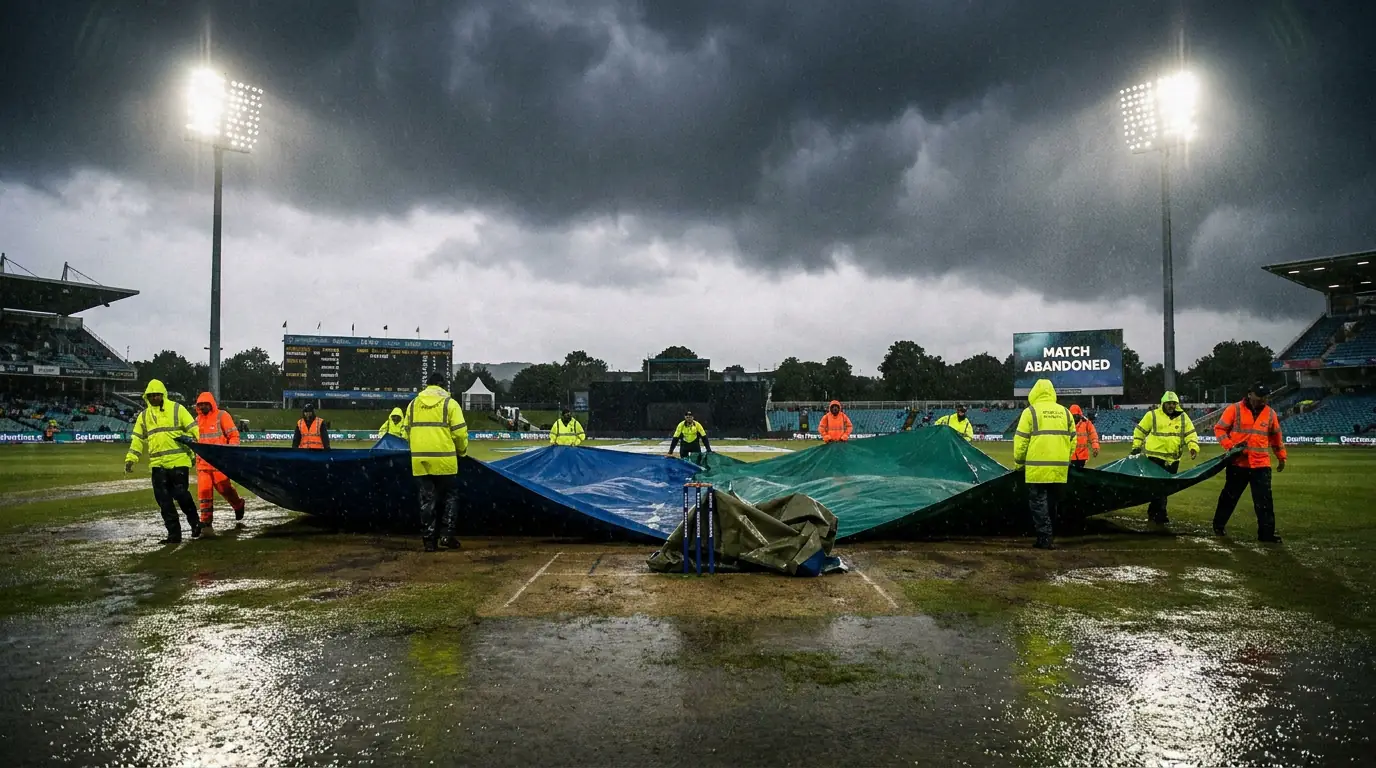
Rain stopped play during an ODI I’d bet on in 2019, and I watched my pre-match analysis become irrelevant in the time it took the ground staff to drag covers onto the pitch. The revised target, calculated by the Duckworth-Lewis-Stern method, changed the entire match dynamic. The team I’d backed was now chasing 178 from 32 overs instead of 290 from 50 — a higher required run rate against a bowling attack that would bowl shorter spells with fresher legs. I lost, and the experience forced me to learn a system that most bettors treat as an inconvenience rather than an opportunity.
DLS-affected matches are the most mispriced events in cricket betting. The moment rain arrives, casual bettors panic. Some cash out. Others freeze, unsure how the revised target will shift the match dynamics. The exchange odds swing wildly as liquidity drops and uncertainty spikes. For bettors who understand how DLS works — and crucially, how it distorts the match in favour of one team — these chaotic moments produce some of the sharpest edges available in any cricket market.
How the DLS Method Actually Works
The Duckworth-Lewis-Stern method recalculates a fair target for the team batting second when overs are lost to weather. The core concept is “resources.” Each team starts a 50-over innings with 100% of its resources — a combination of overs remaining and wickets in hand. As overs are bowled and wickets fall, resources deplete. A team that’s 100/2 after 20 overs has used fewer resources than a team that’s 100/5 after 20 overs, because the first team has more wickets in hand to exploit the remaining overs.
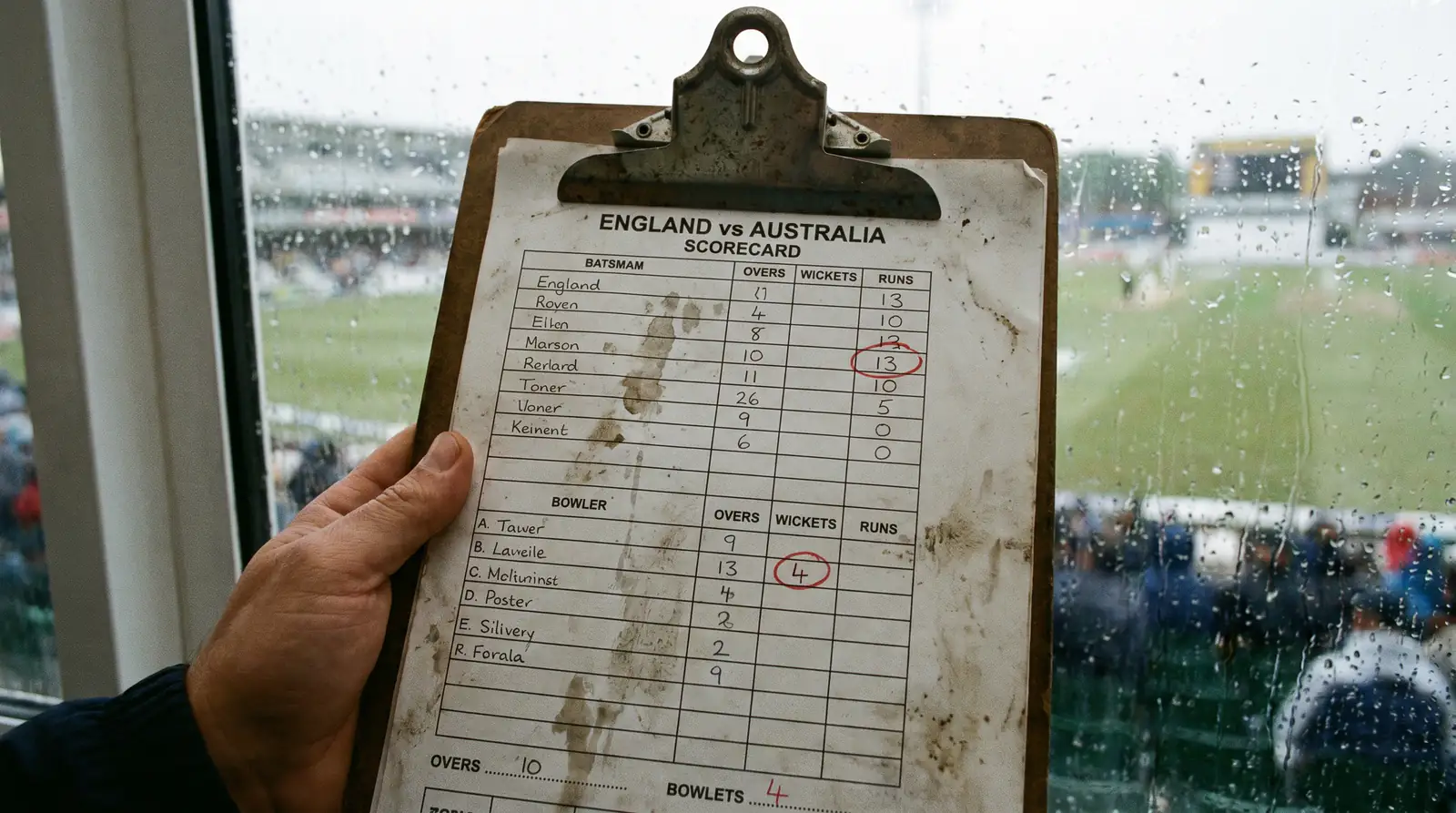
When rain reduces the second innings, DLS calculates what percentage of resources the chasing team has lost and adjusts the target proportionally. If the chasing side loses 10 overs (and therefore roughly 15-20% of resources, depending on when the interruption occurs), the target drops by a corresponding amount. The adjustment isn’t linear — losing overs in the middle of the innings costs fewer resources than losing overs at the death, because death overs are worth more to a team with wickets in hand.
This non-linearity is where the betting edge sits. DLS penalises teams that lose early wickets more heavily than the raw scorecard suggests, because a team with fewer wickets has fewer remaining resources, and the target adjustment reflects that. If the chasing side is 80/4 when rain arrives and 10 overs are lost, their revised target will be higher relative to their scoring capacity than if they were 80/1. The method accounts for the quality of the batting still to come, and that creates situations where the revised target is either surprisingly generous or surprisingly harsh depending on the wicket count.
When DLS Favours the Team Batting First
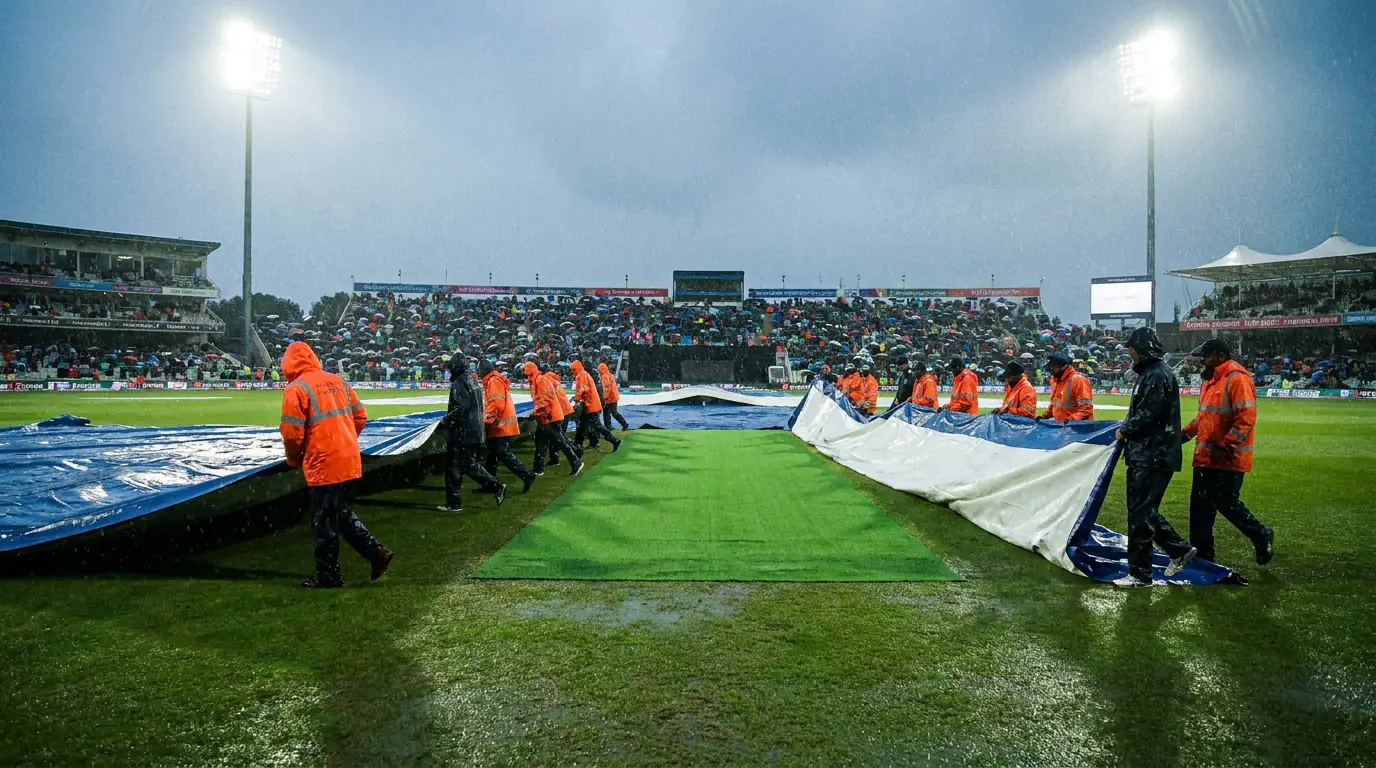
The DLS method structurally favours the team batting first in several specific scenarios, and recognising these scenarios is the foundation of rain-affected betting.
If the team batting first posts a large total on a good pitch and rain reduces the second innings significantly, the revised target often exceeds what the chasing side can realistically achieve in the reduced overs. A team that scored 310 from 50 overs on a flat pitch might see the DLS target set at 230 from 35 overs — a required rate of 6.57 per over, which sounds manageable but is actually demanding when the bowling side has fresh bowlers operating in shorter spells with no mid-innings lull. Michael Dugher, then CEO of the Betting and Gaming Council, described cricket betting as part of “a hugely significant contributor to the leisure industry, to sport and to the UK economy as a whole” — and DLS-affected ODIs are exactly the kind of match where that market reveals its deepest inefficiencies.
Early interruptions during the first innings tend to compress both innings equally, which neutralises the DLS effect. But interruptions during the innings break or during the second innings create asymmetric conditions. The batting-first side posted their total on a full-length pitch; the chasing side must now match a proportional target in fewer overs with the same number of wickets. That asymmetry — full resources consumed versus reduced resources available — systematically advantages the team that batted first.
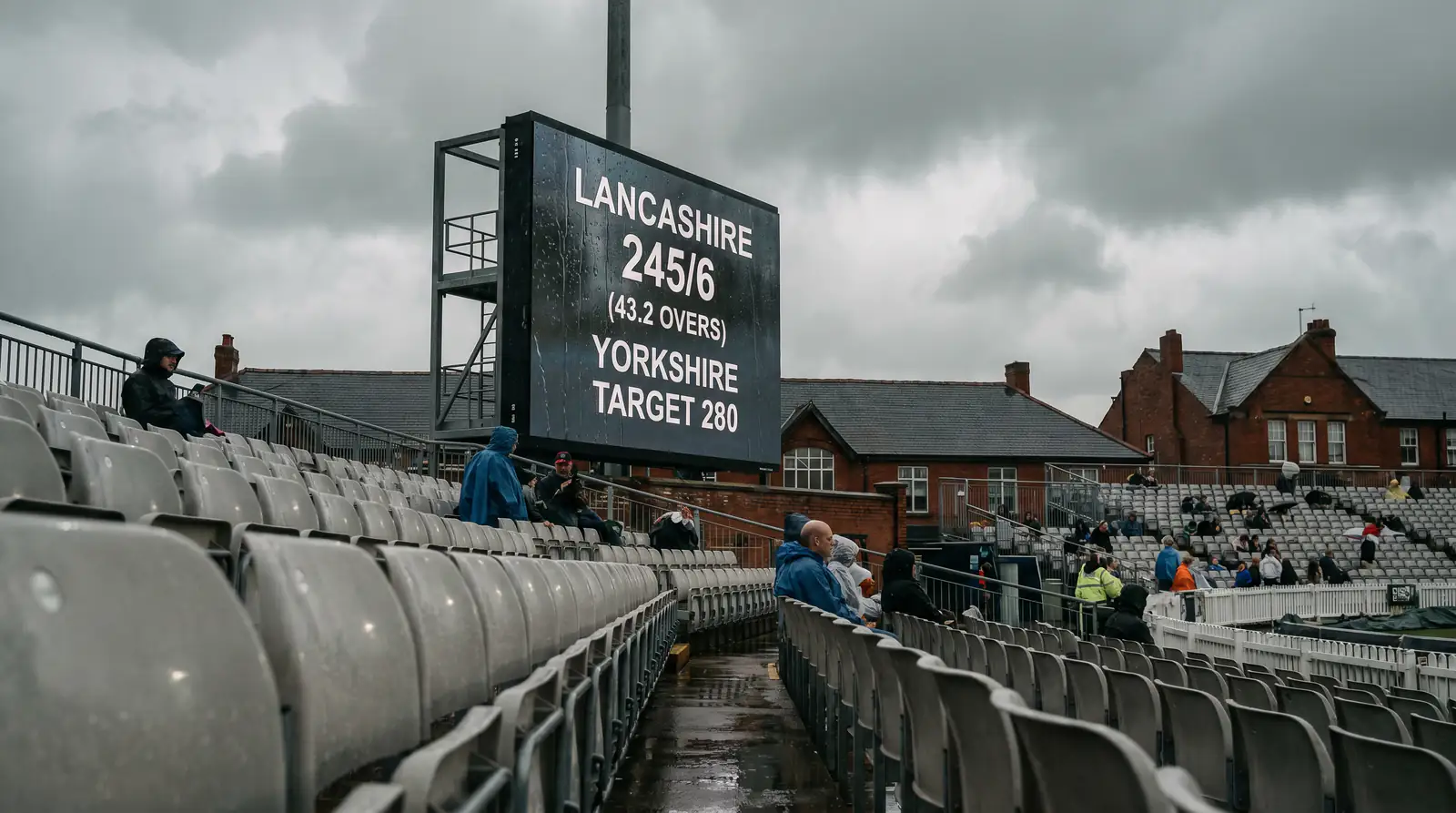
The betting response is to back the batting-first side’s live odds immediately after a rain interruption reduces the second innings. The exchange prices take time to adjust to the new DLS target, especially when the interruption occurs during the second innings and the target is recalculated mid-chase. In those minutes of confusion, the batting-first side’s odds are often too generous because traders haven’t processed the full implications of the resource adjustment.
When DLS Favours the Chasing Side
DLS doesn’t always benefit the team batting first. In certain configurations, the chasing side receives an unexpectedly generous target.
If rain interrupts the first innings and reduces it to 40 overs, the batting-first side might post 230 instead of the 280 they were tracking toward. The DLS target for the second innings — if the second innings is also reduced to 40 overs — will be set based on the par score for 40 overs, adjusted for the first-innings total. Because the batting-first side was building toward a higher score that they never reached, the DLS target for the chasing side can feel surprisingly achievable.
The pattern is clearest when the first-innings interruption occurs during the death overs, when the batting-first side expected to add 60-80 runs in the final 10 overs. Those lost death-overs runs are the most valuable overs in an ODI innings, and DLS can’t fully replace them. The chasing side effectively benefits from the batting-first side’s lost acceleration, and the revised target reflects a lower scoring trajectory.
Understanding ODI-specific dynamics becomes essential in DLS situations because the scoring phases — powerplay, middle overs, death overs — each carry different resource weights. Bettors who can map the resource table against the match situation will see value that the general market misses during rain interruptions.
Practical DLS Betting Scenarios and Market Responses
Cricket accounts for 14% of global betting activity, and rain-affected matches represent a disproportionate share of the mispriced events within that segment. Here are three scenarios I encounter regularly and how I respond to each.
Scenario one: rain arrives during the innings break. The first-innings total is known, and the second innings will be shortened. I immediately calculate the DLS par score (available through online DLS calculators or apps) and compare it to the exchange odds. If the par score looks demanding relative to the chasing side’s batting quality, I back the batting-first side before the market fully adjusts.
Scenario two: rain interrupts the second innings with the chasing side ahead of the DLS par score. If the match is abandoned at that point, the chasing side wins. This means a team that’s 120/2 after 25 overs, chasing 260 from 50, might be ahead of the DLS par score even though they’re well short of the actual target. Knowing the live DLS par score gives you an edge in assessing whether an abandonment would result in a chasing-side win — and you can back accordingly if rain looks likely to return.
Scenario three: multiple interruptions spread across both innings. These produce the most chaotic market conditions and the widest pricing errors. Each interruption triggers a DLS recalculation, and the cumulative effect can create targets that feel arbitrary. In these situations, I focus on the resource percentages rather than the headline target. If the chasing side has 70% of their resources available and the target represents 65% of the first-innings total, the match favours the chasers. If the resource percentage is below the target percentage, the match favours the batting-first side.

Duckworth-Lewis-Stern Betting — Questions Answered
Articles
Published by the cricketbettipsonline.com team.
