


Pitch Conditions in Cricket Betting Are the Variable Most Bettors Underestimate
Early in my betting career I backed a strong batting side in a Test match without checking the pitch report. The surface was a green monster — visible grass from boundary to boundary — and the team I backed was bowled out for 112 in the first innings. That loss taught me a lesson I carry into every single wager: the pitch is the most important variable in cricket, and it is the one that most casual punters ignore.
In T20 cricket, teams batting second win approximately 53 to 55 percent of matches, but that average conceals enormous variation driven by surface conditions. On a flat road with consistent bounce, the chasing side benefits from knowing the target and having dew in evening matches. On a surface that grips and turns, the team batting first can post a total that becomes increasingly difficult to chase as the pitch deteriorates over 40 overs. The blanket statistic tells you nothing without pitch context.
Cricket is unique among major sports in that the playing surface changes not just between matches but during them. A football pitch is the same at the ninetieth minute as the first. A cricket pitch on day five of a Test bears almost no resemblance to day one. Understanding that evolution — and its implications for betting markets — is what separates informed punters from those who treat every match as though it is played on the same surface.
Pitch Types and What They Mean for Batting and Bowling
I categorise pitches into five types, and each one shifts my betting approach in a specific direction. Green pitches — those with visible grass coverage — assist seam bowlers. The grass retains moisture, which helps the ball grip the surface and deviate laterally off the seam. English and New Zealand grounds produce green tops most frequently, particularly early in the season when groundsmen leave extra grass to protect the pitch from unpredictable weather. On a green pitch, I back bowling-heavy sides and take the under on run totals.
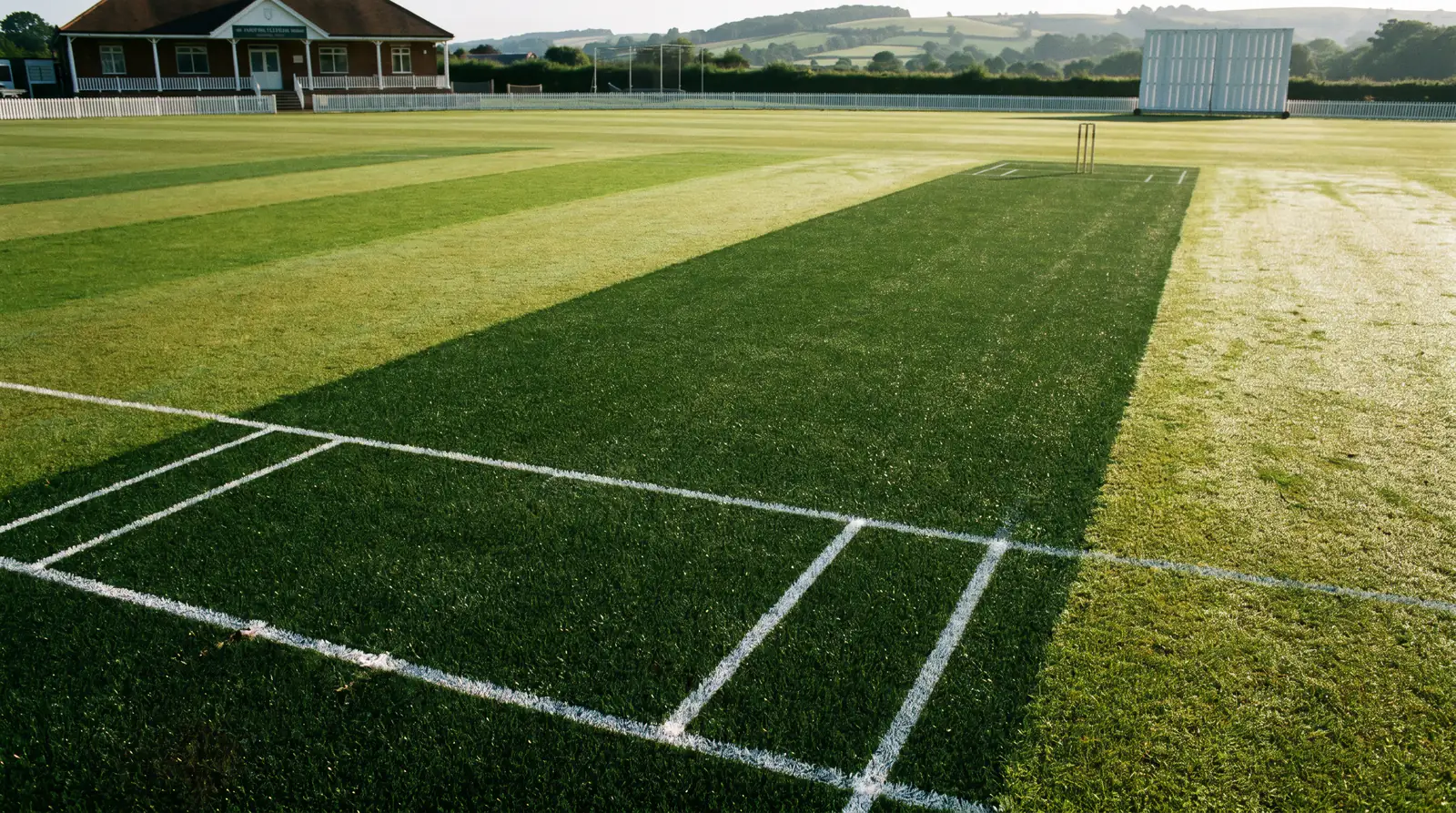
Dry, flat pitches are the batting paradises. They offer minimal seam movement, even bounce, and allow batsmen to trust the surface and play their shots freely. Indian grounds in the first two days of a Test, and most Australian grounds during high summer, fall into this category. On these surfaces I look for overs on the total runs line and back top batsmen with aggressive scoring profiles.
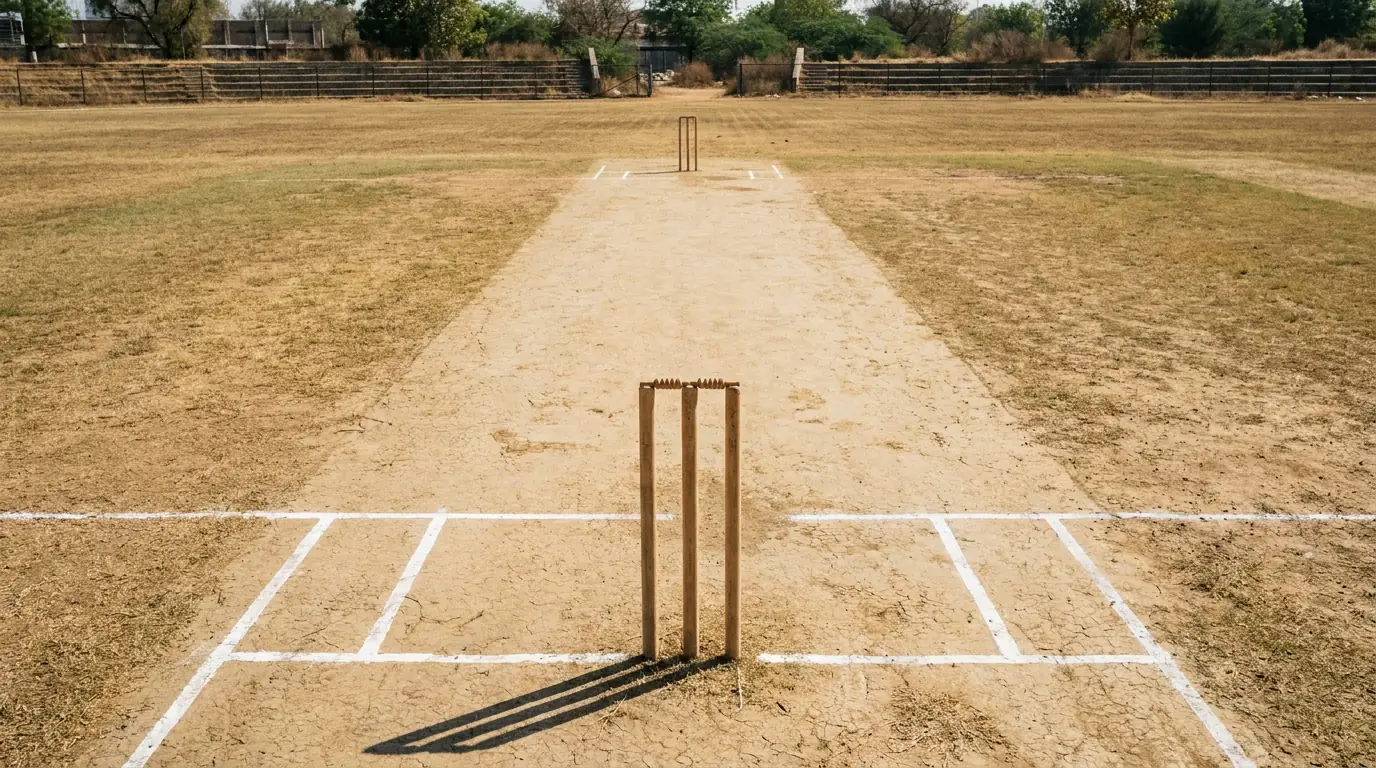
Dusty, turning pitches appear primarily in the subcontinent, especially from the second day of a Test onwards. The surface breaks up, creating rough patches that spinners exploit. If you spot visible cracks and dry patches in a pitch image before a match, the team with the better spin attack holds a significant advantage. Backing a quality spinner as top bowler on these surfaces has been one of my most consistent winning strategies.

Then there are bouncy pitches — typical of Perth, Johannesburg, and Barbados — where the ball rears off a good length and tests batsmen’s courage and technique. Tall fast bowlers who extract steep bounce thrive here, and top-order batsmen with strong pull and cut shots tend to outscore those who play predominantly on the front foot. Finally, slow and low pitches — common in Bangladesh and parts of Sri Lanka — produce grinding, low-scoring encounters where patience is the primary batting skill. Total runs lines on these surfaces are consistently lower than generic format averages suggest.
How Pitch Conditions Shift Odds in Each Format
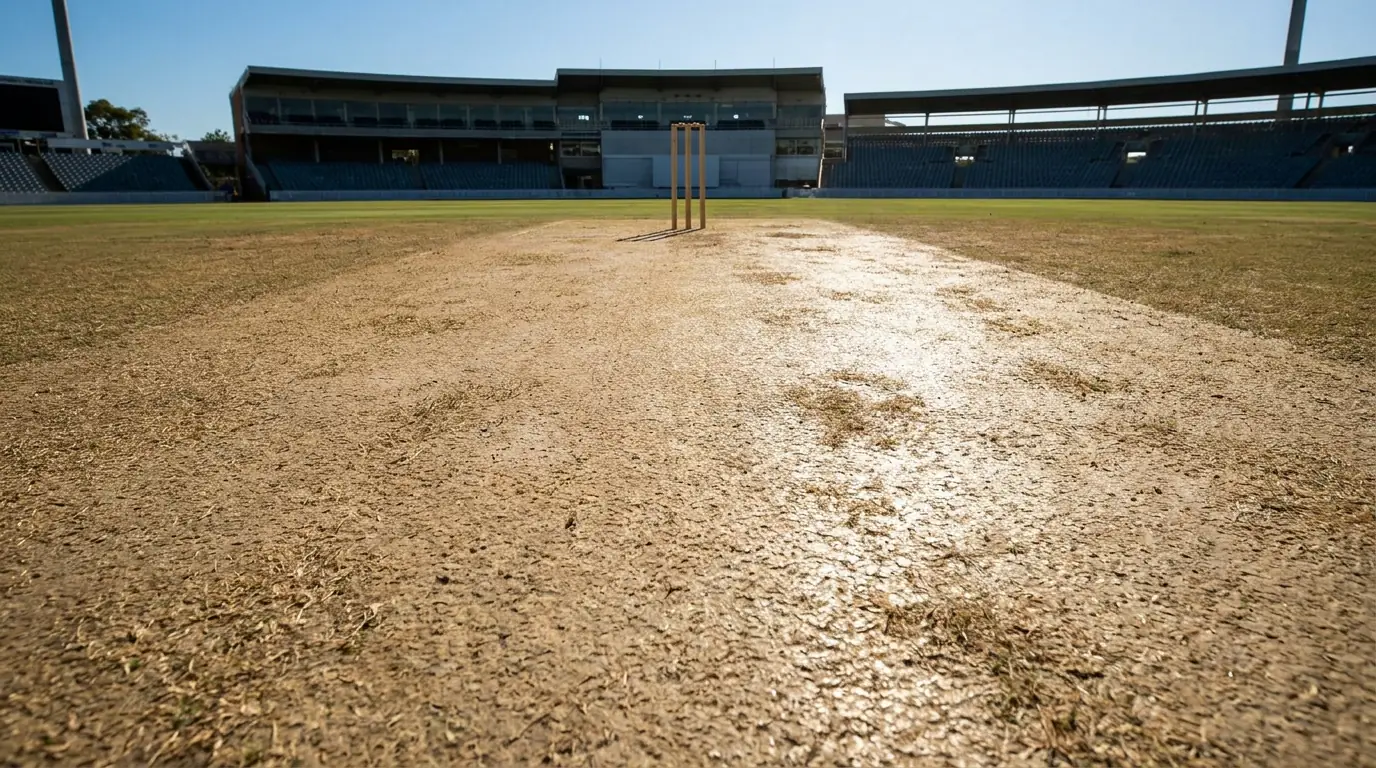
The pitch affects T20 matches differently from Tests, and your betting framework needs to account for that. In T20, the compressed timeframe means pitch deterioration is minimal — the surface at ball one is essentially the same surface at ball 120. What matters in T20 is the initial character of the pitch: does it offer seam movement? Does it grip for spin? Is it a flat batting deck? Those qualities are fixed for the duration of the match, so your pre-match pitch read carries more weight than it does in longer formats.
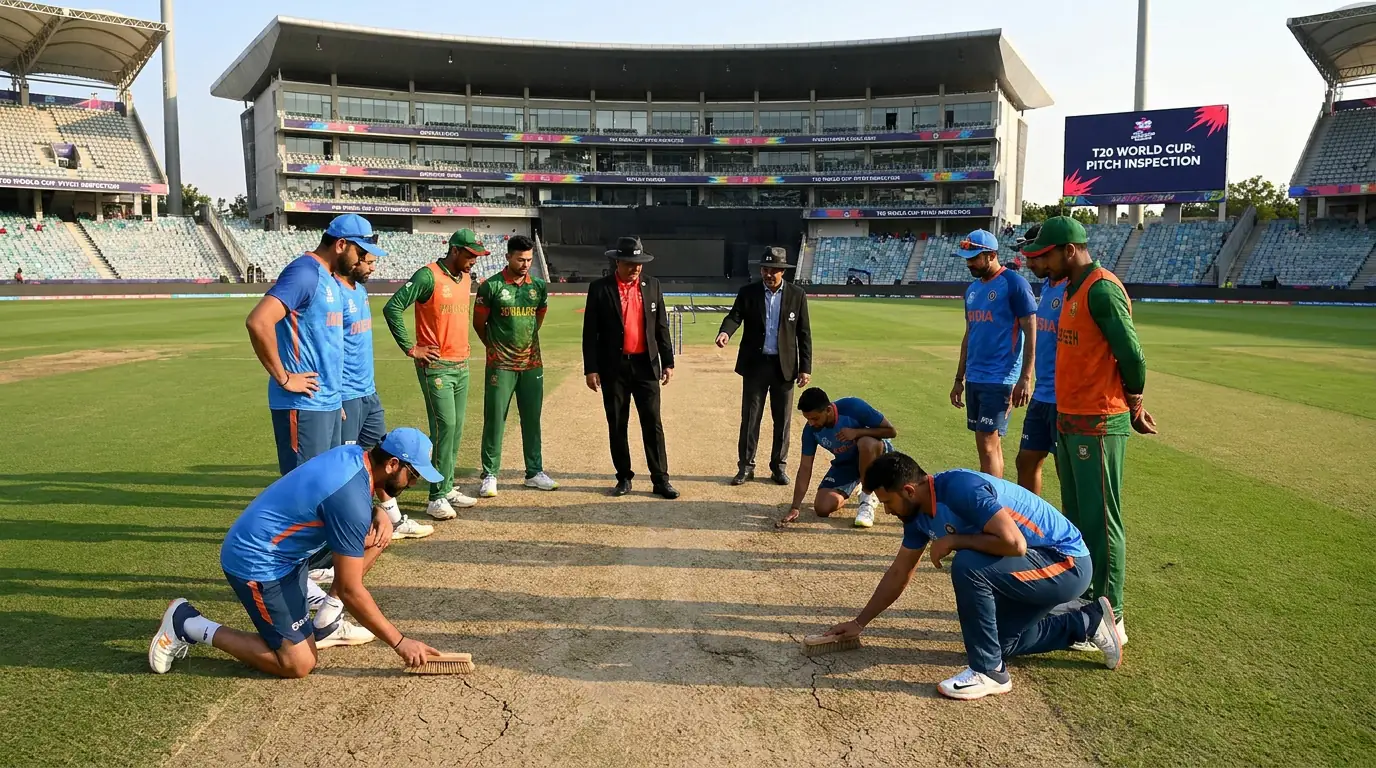
Around 15% of the UK population follows cricket, and many of those fans bet during high-profile T20 events without considering how dramatically the same venue can play depending on weather and pitch preparation. I have seen the same IPL ground produce totals of 220 and 140 in consecutive matches purely because the groundsman prepared different surfaces.
In Tests, the pitch evolves across five days, and that evolution is where the most profitable betting angles hide. Day one typically favours batting unless conditions are damp. Days two and three offer a balance. Days four and five favour bowlers, especially spinners on subcontinental pitches and seamers in England where the ball starts to keep low. Session-by-session betting on Tests is essentially a bet on where the pitch is in its lifecycle, and punters who track pitch deterioration in real time can find value that pre-match odds do not capture.
ODIs sit in between. The pitch does not change as dramatically as in a Test, but 100 overs of traffic — plus the impact of batting and bowling footmarks — can alter the surface enough to affect the second innings. On pitches that slow down over the course of an ODI, first-innings totals tend to be higher than second-innings chases, which influences your over/under and match-winner analysis.
Where to Find Reliable Pitch Reports Before a Match
The best pitch intelligence comes from curators themselves, and several cricket boards publish curator interviews or official pitch reports before major matches. The ECB provides pitch ratings after domestic fixtures, which gives you a historical record of how each ground has played recently. For international matches, look for pre-match interviews with the head groundsman — they typically describe the grass coverage, soil type, and moisture content in enough detail to form a directional view.
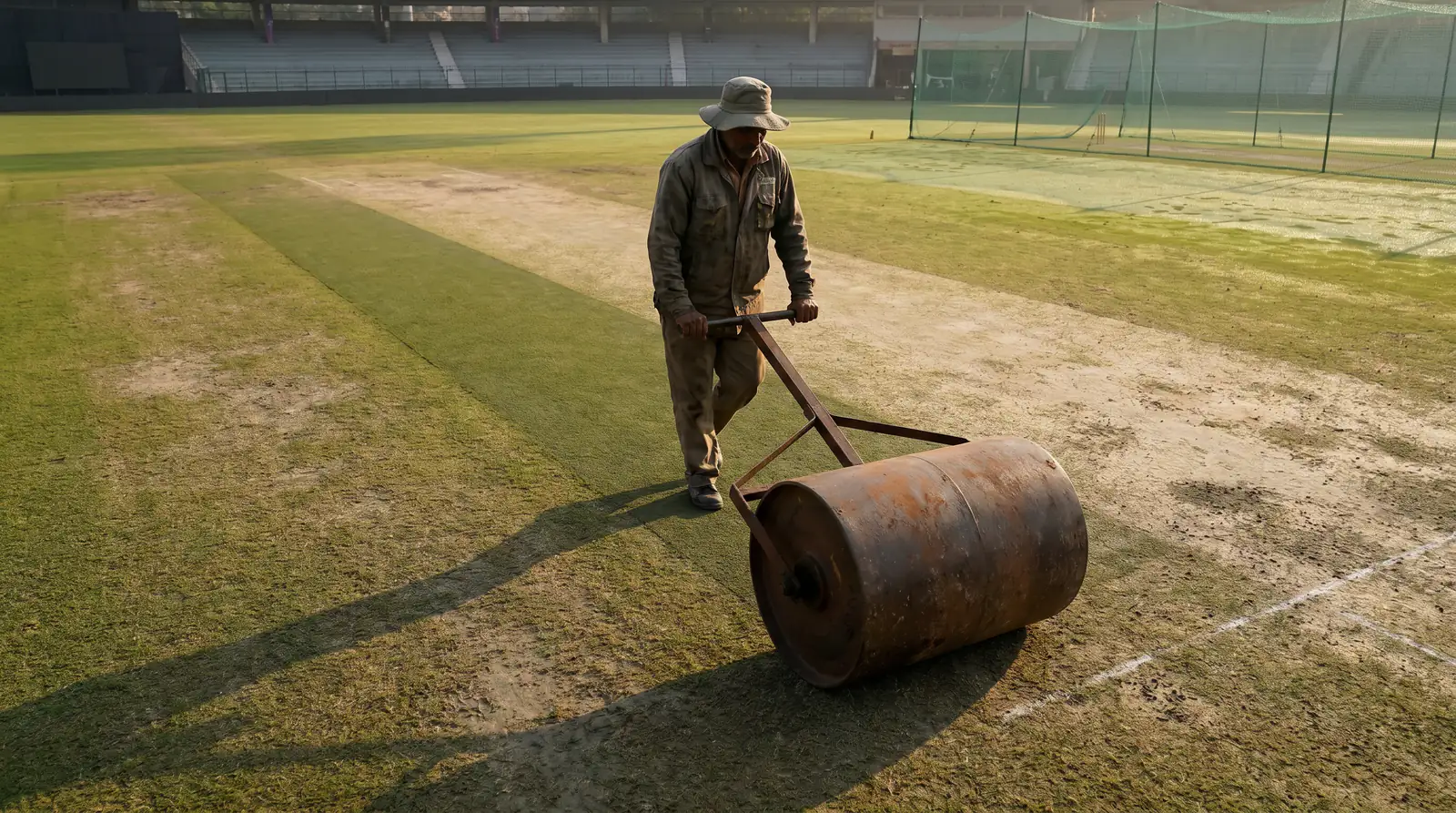
Social media has become an unexpectedly useful tool. Cricket journalists and commentators often photograph the pitch during their pre-match ground visits and post images with commentary. A photograph of the pitch 24 hours before the toss is worth more than a verbal description published a week earlier, because conditions change rapidly in the final days of preparation. I follow a handful of reliable cricket reporters who consistently share pitch images, and I factor those visual cues into my pre-match analysis.
Historical venue data provides the baseline. ESPNcricinfo and CricViz both offer ground-specific statistics — average first-innings totals, average run rates, and wickets-per-session data — that tell you what a typical pitch at that venue produces. The key is to compare the current pitch report against that historical baseline: if the curator has left more grass than usual or the weather has been unusually dry, adjust your expectations accordingly rather than relying on averages that may not reflect the specific surface in front of you.
Articles
Written by the editors at cricketbettipsonline.com.
