

Cricket World Cup Betting Rewards Punters Who Think in Phases, Not Matches
I once backed an outright winner at 12/1 before a World Cup started. They won. The return from that single bet exceeded the combined profit from every individual match bet I placed during the same tournament. World Cup betting isn’t about picking every group-stage winner — it’s about identifying tournament-level value and building your strategy around the phases that the market misprices most consistently.
The ICC Cricket World Cup is the sport’s biggest betting event. The global cricket betting market was valued at $14.45 billion in 2024, and World Cup years consistently produce spikes in both volume and market liquidity. That liquidity is a double-edged sword. More money makes the match-winner market sharper and harder to beat. But the flood of casual punters — many betting on cricket only during the World Cup — distorts secondary markets, outright odds, and group-stage prices in ways that sharp bettors can exploit.
The key distinction is between tournament markets (outright winner, top run-scorer, top wicket-taker, stage of elimination) and individual match markets. Tournament markets are set months in advance and move slowly based on squad announcements, injury news, and warm-up results. The value in these markets appears early and narrows as the tournament progresses. Individual match markets are set close to each game and adjust rapidly. The approach for each market type is fundamentally different.
Outright Winner: Where Early Money Earns the Best Returns
The outright winner market is the single most important World Cup betting market, and timing your entry is everything.
Prices are longest — and most inefficient — when the market first opens, typically 6-12 months before the tournament. At that point, squads are uncertain, injuries are unknown, and the bookmaker’s pricing is based on historical performance rather than current form. A team that finished fourth in the previous World Cup will be priced similarly to where they finished, even if their squad has improved dramatically since then. The recency bias runs in both directions: a team that won the last World Cup will be shorter than their current squad warrants if key players have retired or declined.
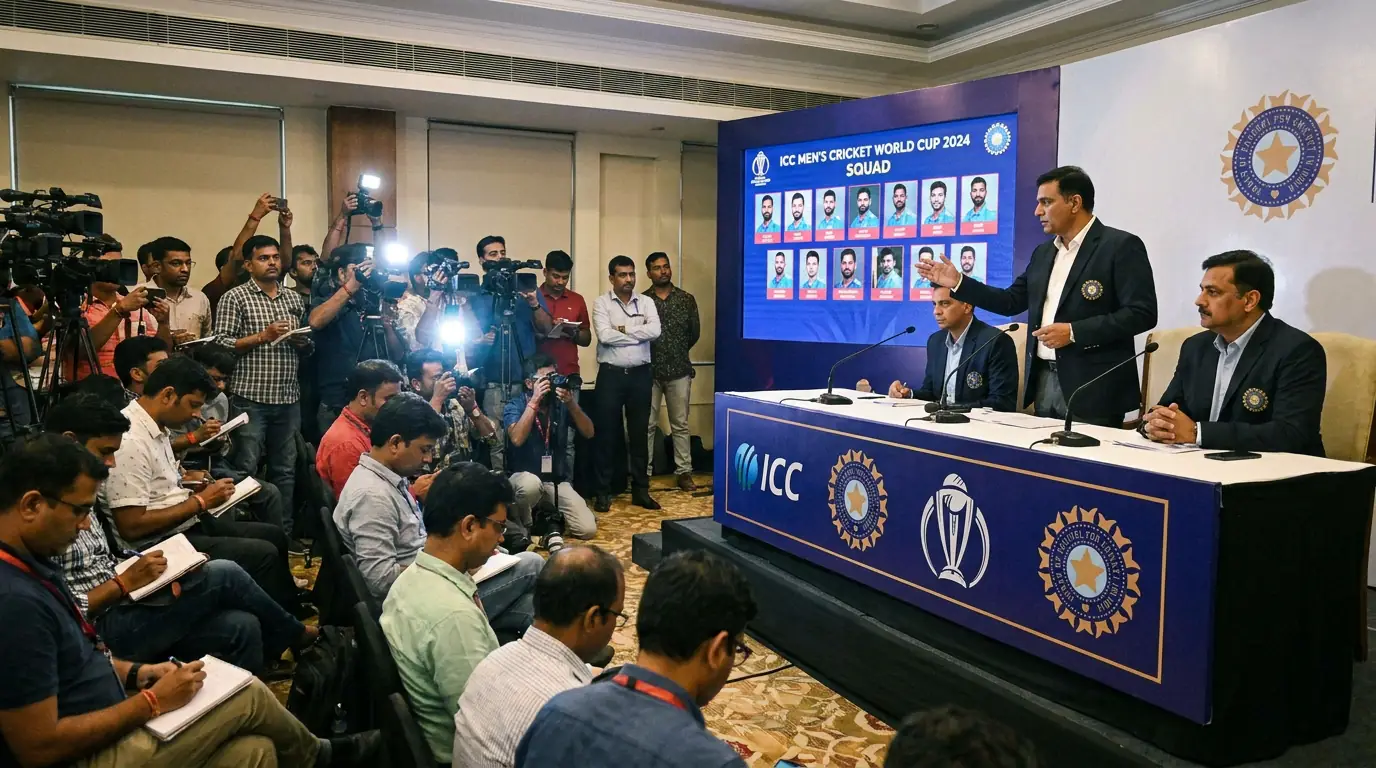
My approach is to identify two or three teams whose current form exceeds their historical pricing, and back them outright at the longest available odds. I don’t bet the favourite. The favourite’s odds are compressed by the volume of recreational money, and even when the favourite wins, the return rarely justifies the risk over a month-long tournament where anything can happen.
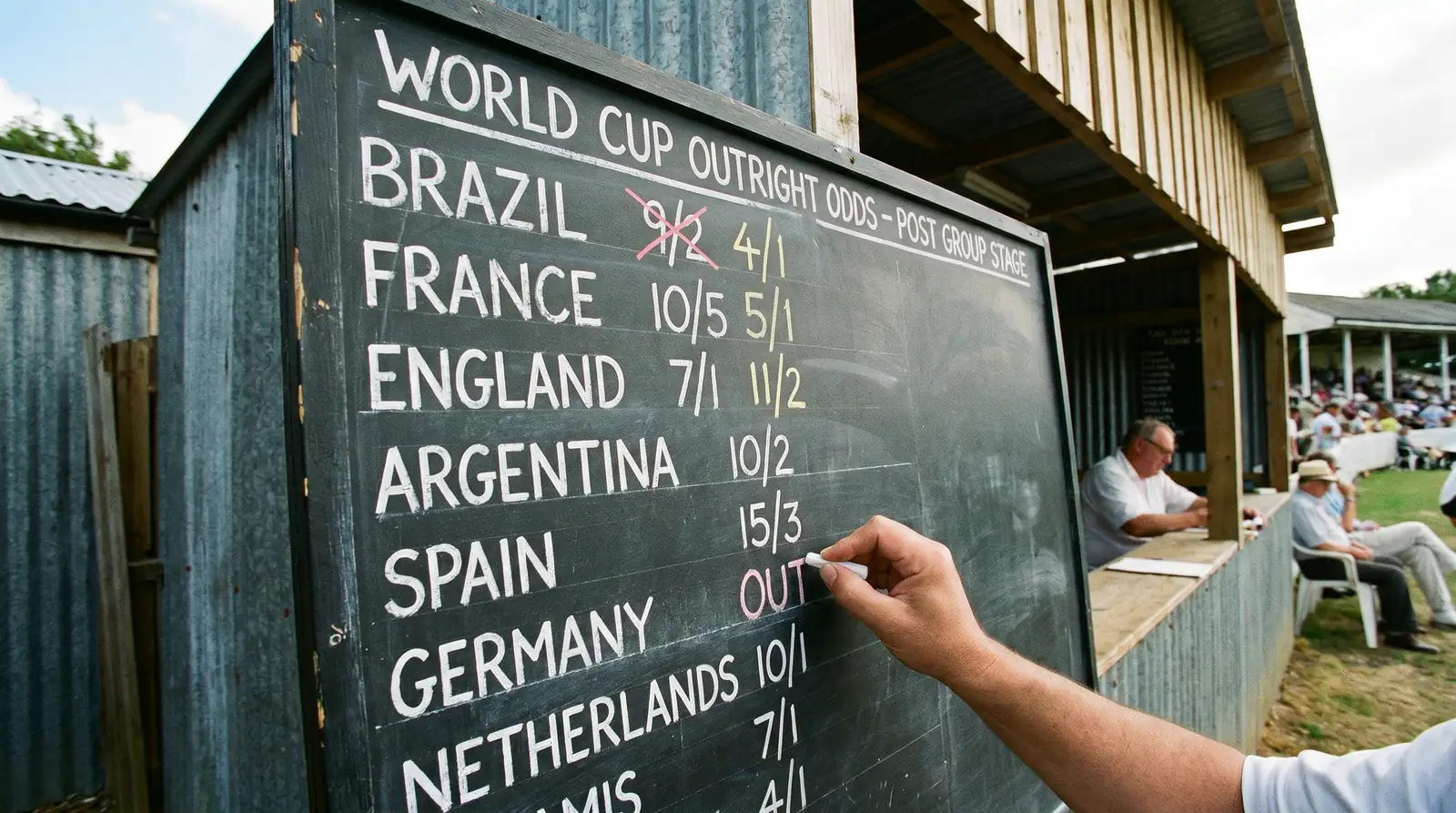
Mid-tournament adjustments create additional outright value. After the group stage, the remaining teams are repriced based on group performance. But group-stage form is a poor predictor of knockout-stage success. A team that scraped through the group in fourth place might have been resting players, experimenting with combinations, or simply peaking later. If their odds have drifted because of underwhelming group results, there’s often value in backing them at inflated knockout-stage prices.
Group-Stage Betting: Volume, Context, and Dead Rubbers
Group stages are where the most matches occur and where casual bettors lose the most money. The mistake is treating every group match with equal analytical rigour when, in reality, group matches vary enormously in competitive intensity.
Early group matches — the first round of fixtures — are the hardest to predict and the least efficient market. Teams are adjusting to tournament conditions, the pitch characteristics at each venue are unestablished, and the emotional intensity of an opening match creates unpredictable performances. I generally avoid heavy staking on opening-round fixtures and focus instead on accumulating data that will inform later bets.
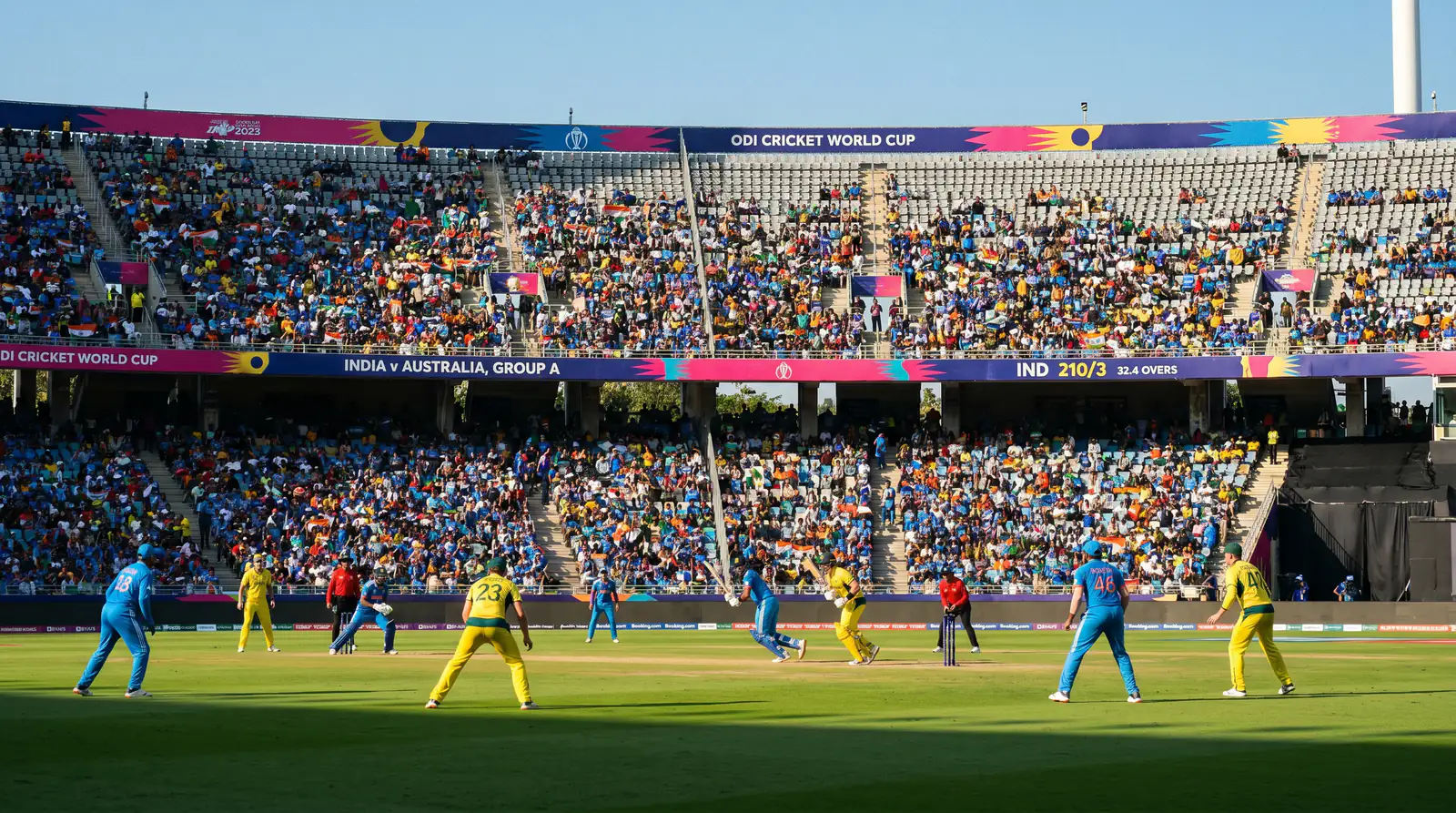
Mid-group matches settle into a pattern. By the third or fourth round of fixtures, you have enough tournament-specific data — scoring rates at each venue, bowling averages on the tournament surfaces, and team form within the competition — to build a predictive model that outperforms the pre-tournament assumptions the bookmaker’s odds are still partially based on. This is where the sharpest individual match value appears.
Dead rubbers — the final group matches where one or both teams have already qualified or been eliminated — produce the most exploitable pricing. Approximately 15% of the UK population follows cricket, and the casual segment of that audience bets on dead rubbers as if they’re live matches, ignoring the motivation gap. A team that’s already qualified will rest key bowlers, experiment with their batting order, and play without the desperation that drives peak performance. Backing the underdog in dead rubbers where the favourite has nothing to play for has been a reliable edge across every World Cup cycle I’ve tracked.
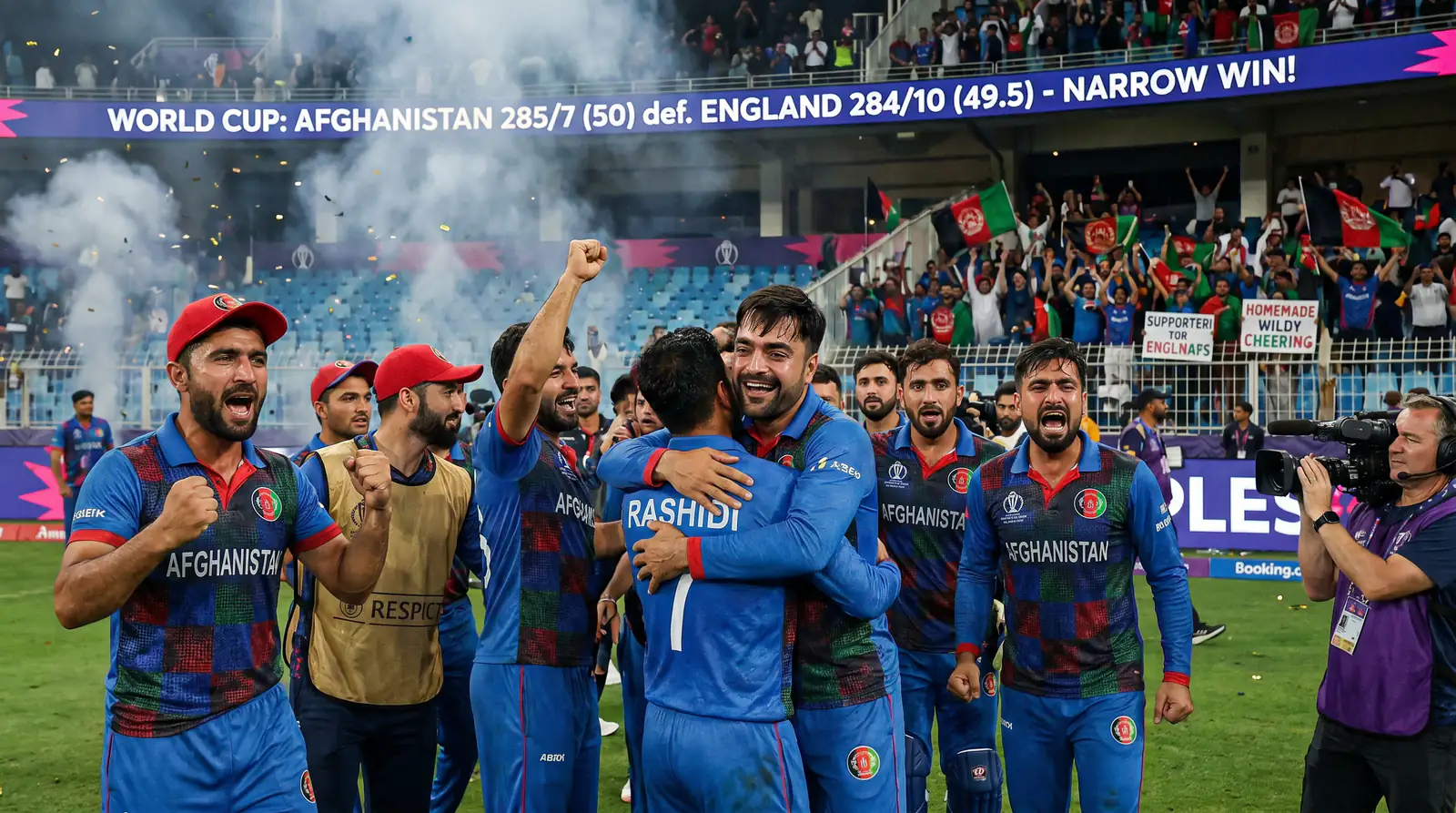
Knockout Stages: Pressure, Chasing, and Semi-Final Value
World Cup knockout matches are psychologically different from any other cricket. The pressure of elimination amplifies every phase of the match, and that pressure affects betting markets in specific, predictable ways.
Chasing in knockout matches is significantly harder than chasing in bilateral ODIs. The scoring rate drops, the boundary percentage drops, and collapses become more frequent. Teams that post 280-plus in a knockout semi-final or final win at a higher rate than the same total would suggest in a bilateral context, because the chasing side faces mental pressure that compresses their scoring. If you’re betting live at the innings break of a knockout match, adjust your target-difficulty assessment upward by 10-15% compared to a regular ODI. A total that would be comfortably chased in a bilateral series becomes a genuine challenge under elimination pressure.
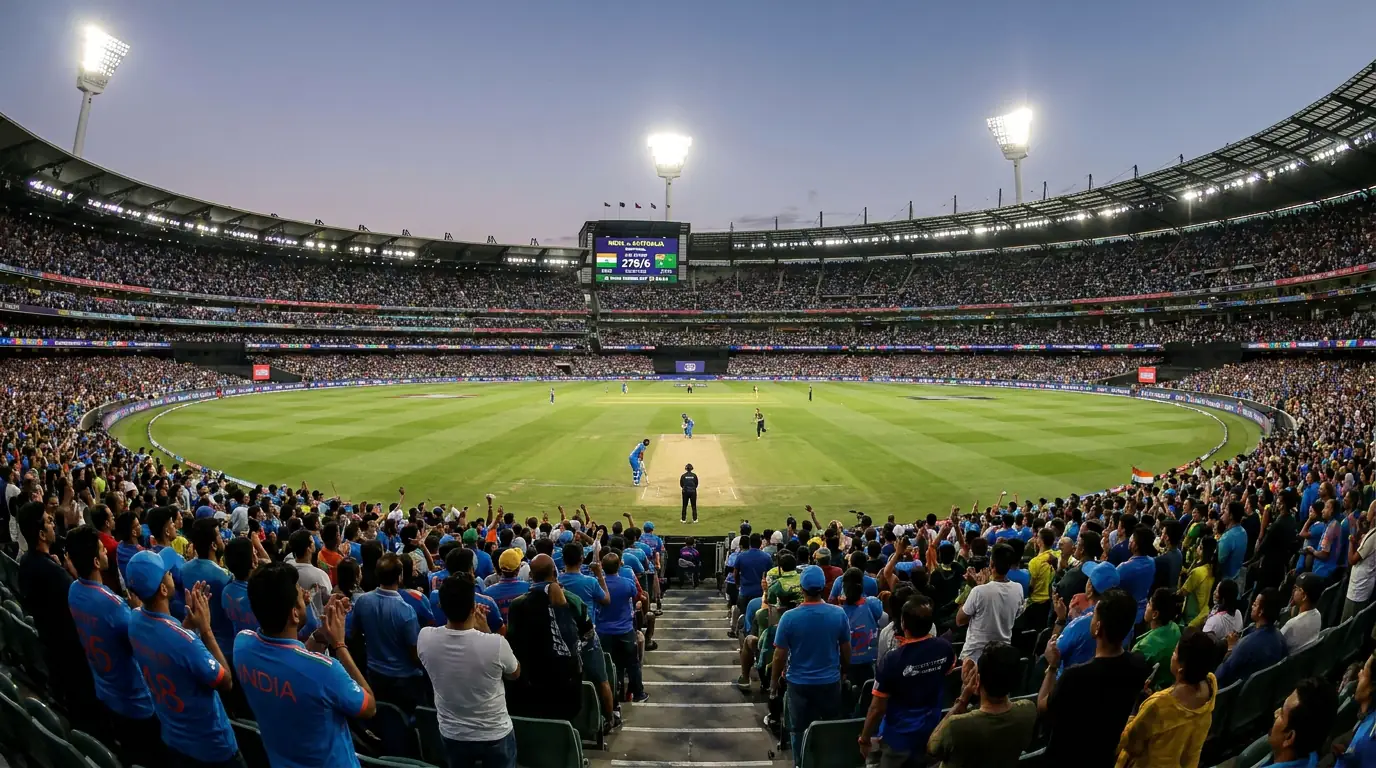
Semi-finals consistently produce the best betting value of any knockout round. By the semi-final stage, only four teams remain, and the market has extensive tournament data on all of them. But the market also overweights recent group-stage momentum. A team that won their last five group matches will be shorter than their actual semi-final probability warrants, because the market conflates group-stage dominance with knockout readiness. Semi-final pressure — the stakes, the crowd, the magnitude of the occasion — resets the playing field more than the market acknowledges.
The final is the tightest-priced match of the tournament. By that point, the market has five weeks of data, massive liquidity, and the full attention of the bookmaker’s trading desk. Finding genuine value in a World Cup final requires either a very specific conditions insight (pitch behaviour, weather forecast) or a view on a secondary market (top batsman, total runs) where the recreational money is still creating inefficiencies. Long-term futures strategies built around tournament progression work better than trying to find an edge in the most scrutinised match of the cycle.
Player Tournaments Markets: Top Scorer and Top Wicket-Taker
UK adults collectively place roughly 290 million online bets per month on sporting events, and World Cup player markets absorb a disproportionate share of that volume because they’re easy to understand and engaging over the full tournament.
Top tournament run-scorer is priced heavily on star reputation. The bookmaker’s shortest-priced batsman is typically the most recognisable name — often an opener or number-three batsman from one of the favourites. But the player who actually tops the run-scoring chart often isn’t a household name. They’re an opener from a team that bats first frequently (more opportunities to face full 50-over innings), plays all group matches (eliminated teams lose opportunities), and bats through the middle overs without the pressure of being the designated finisher.
The analytical edge is counting opportunities rather than rating talent. If Team A is likely to bat first in 6 of their 9 group matches, their opener could face 2,700 balls across the tournament. If Team B’s star batsman bats at number four and his team chases frequently, he might face only 1,500 balls. The second batsman may be the better player, but the first has nearly twice the opportunity to accumulate runs. Volume predicts tournament aggregates more reliably than talent alone.
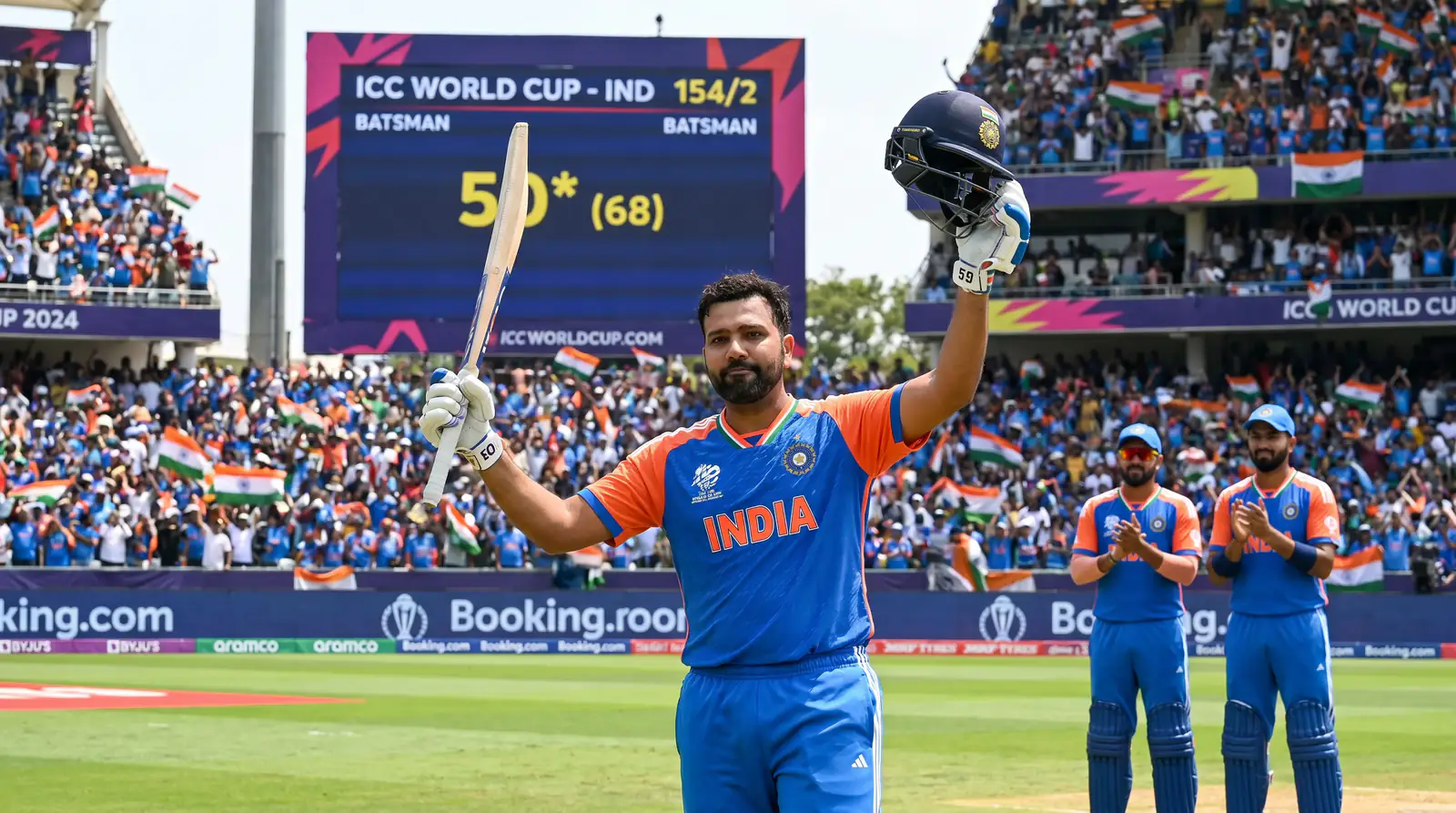
Top tournament wicket-taker follows the same logic in reverse: look for frontline bowlers who bowl their full allocation in every match and whose team is likely to bowl first frequently. A fast bowler who bowls 10 overs per match in a team that plays 9 group matches will deliver 90 overs of tournament bowling. A spinner who bowls 8 overs per match in a team eliminated after 6 matches delivers only 48. The volume gap is too large for individual quality differences to overcome.
Cricket World Cup Betting — Questions Answered
Articles
Published by the cricketbettipsonline.com team.
