

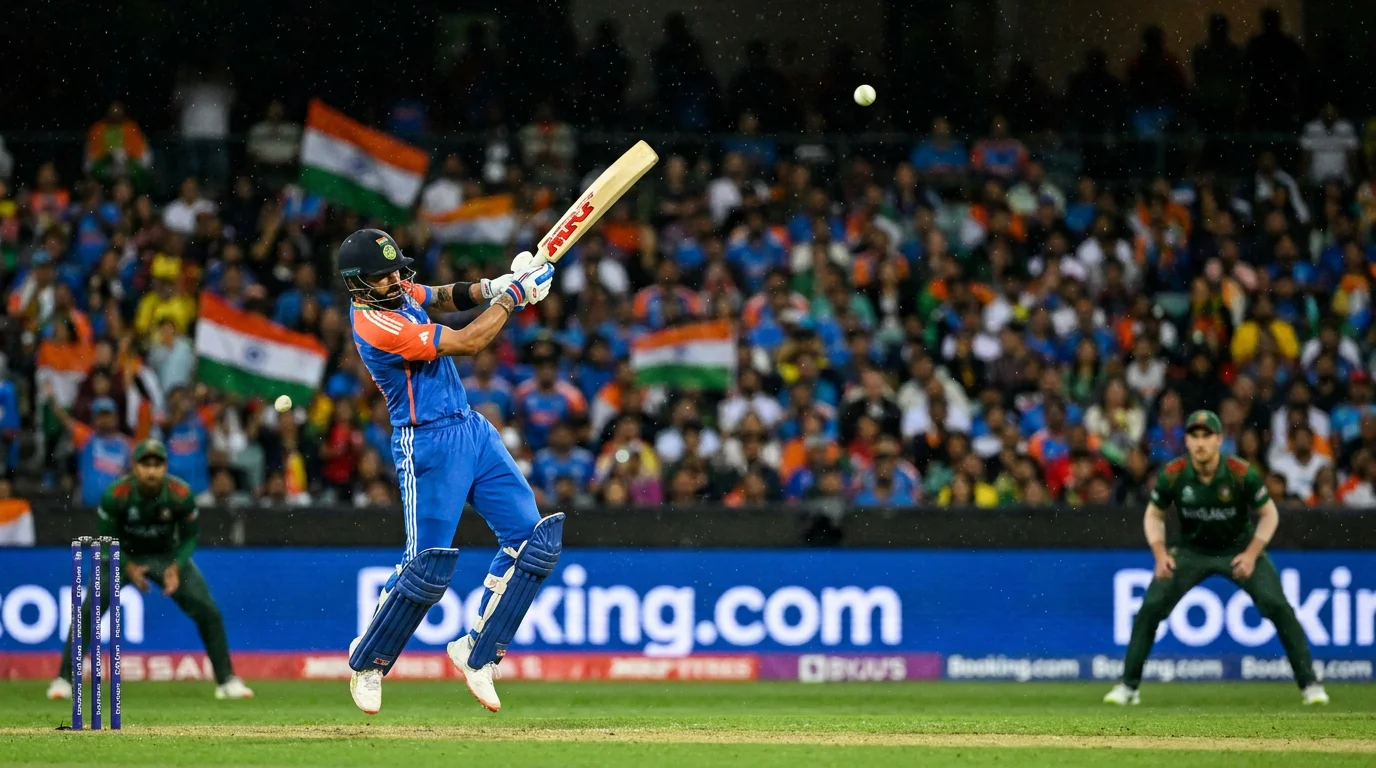
Powerplay Betting Gave Me My First Consistent Edge — and It Still Delivers
The first time I specialised in a single phase of play rather than betting on full-match outcomes, my results improved immediately. It was the 2020 IPL season, and I had spent two frustrating years trying to predict T20 match winners with inconsistent success. On a whim, I narrowed my focus to powerplay markets: runs scored in the first six overs, wickets in the powerplay, and whether the opening partnership would exceed a set threshold. Within a month, I was profitable. The edge was not that I was smarter — it was that I was concentrating my analysis on a smaller, more predictable unit of play where my cricket knowledge mattered more than the bookmaker’s aggregate model.
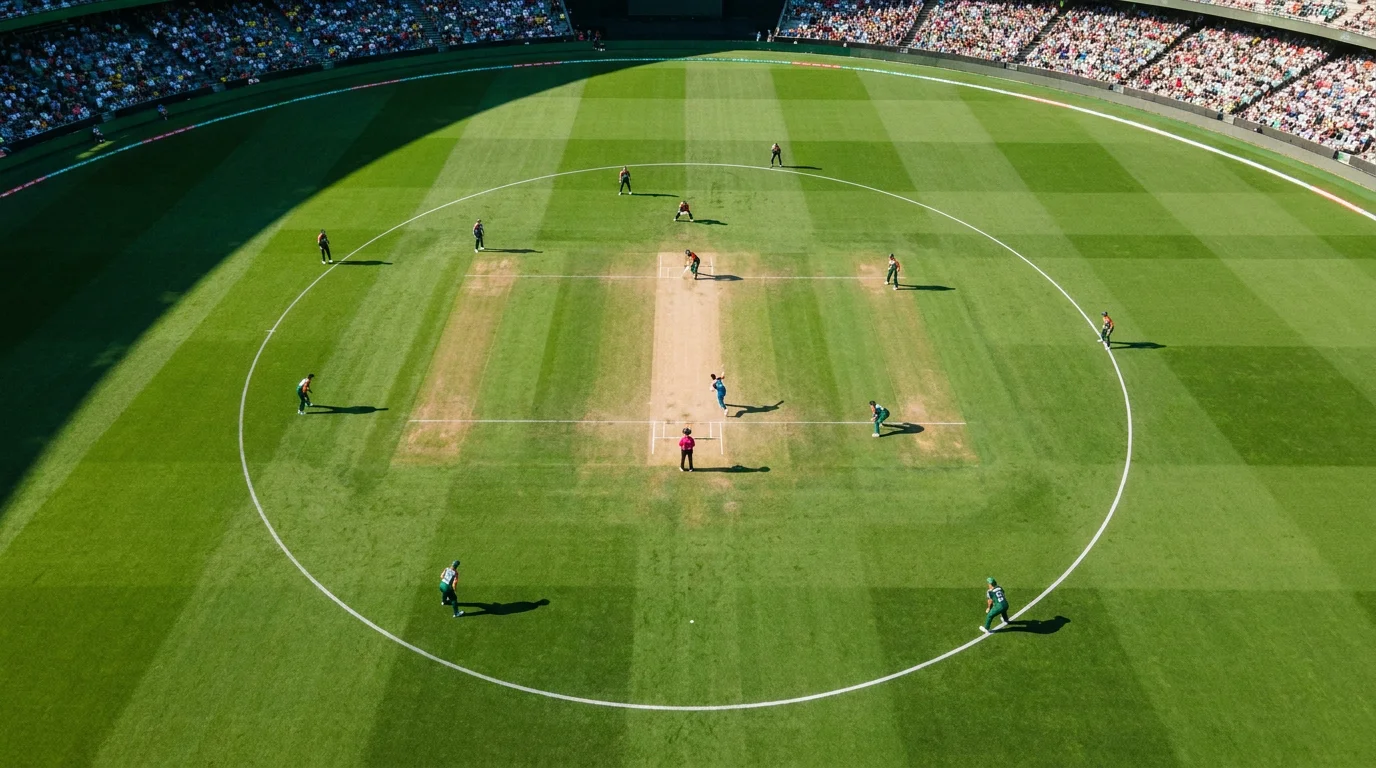
Powerplay markets exist because the field restrictions in the first six overs of a limited-overs innings create a structurally different environment from the rest of the match. Only two fielders are allowed outside the 30-yard circle during the mandatory powerplay, which forces attacking field placements and rewards aggressive batting. The scoring patterns in this phase are more extreme, more predictable at the venue level, and more sensitive to the specific opening bowler-batsman matchup than anything that happens later in the innings.
How Powerplay Rules Create Betting Opportunities
In T20 cricket, the powerplay lasts six overs — 36 deliveries. The field restriction means boundaries are easier to score because gaps in the field are larger. Bowlers who rely on containment through wide-of-off-stump lines lose their primary weapon because there are fewer fielders stationed in the areas where those deliveries are usually hit. The result is that powerplay scoring rates are typically 15 to 25% higher than middle-overs rates, depending on the venue, conditions, and bowling attack.
This differential creates specific betting angles. Over/under powerplay run lines are usually set between 42.5 and 52.5, depending on the ground and conditions. Venues with short boundaries and flat pitches — think Chinnaswamy in Bangalore or Wankhede in Mumbai — consistently produce powerplay totals above 50. Grounds with seam-friendly conditions and longer boundaries — Headingley, the Ageas Bowl — trend below 45. The venue-specific data is publicly available, historically consistent, and underweighted by algorithms that price powerplay lines based on broader averages.

Grainne Hurst, CEO of the Betting and Gaming Council, has described betting as “a hobby enjoyed by over 22.5 million people each month” and “the beating heart of so many sports we all love.” For cricket bettors, the powerplay is the heartbeat of a T20 innings — the phase that sets the tempo for everything that follows. Understanding its mechanics is not just useful for powerplay-specific bets; it informs your assessment of the match-winner market, total runs, and individual player props for the rest of the innings.
Opening Bowler-Batsman Matchups: The Powerplay’s Core Variable
During the 2024 T20 Blast, I tracked every powerplay across 80 matches and logged the opening bowler-batsman matchups alongside the resulting powerplay totals. The pattern was stark. When a new-ball bowler who relies primarily on swing faced openers with strong records against pace, the powerplay average was 52 runs. When a pace bowler with a good yorker and slower-ball variation opened against openers with known weaknesses against short-pitched bowling, the average dropped to 38. That 14-run difference is enormous when the bookmaker’s line sits at 46.5.

The matchup analysis extends to specific bowling types. Left-arm pace bowlers create a natural angle across right-handed openers that tends to produce more edges and fewer boundaries. Off-spinners bowling in the powerplay — an increasingly common tactic in subcontinental T20 leagues — confuse openers expecting pace and can produce wickets that collapse the powerplay total. I cross-reference the opening bowler selections from the team sheets (usually available 30 minutes before the toss) with the openers’ records against that specific bowling type and adjust my powerplay estimates accordingly.
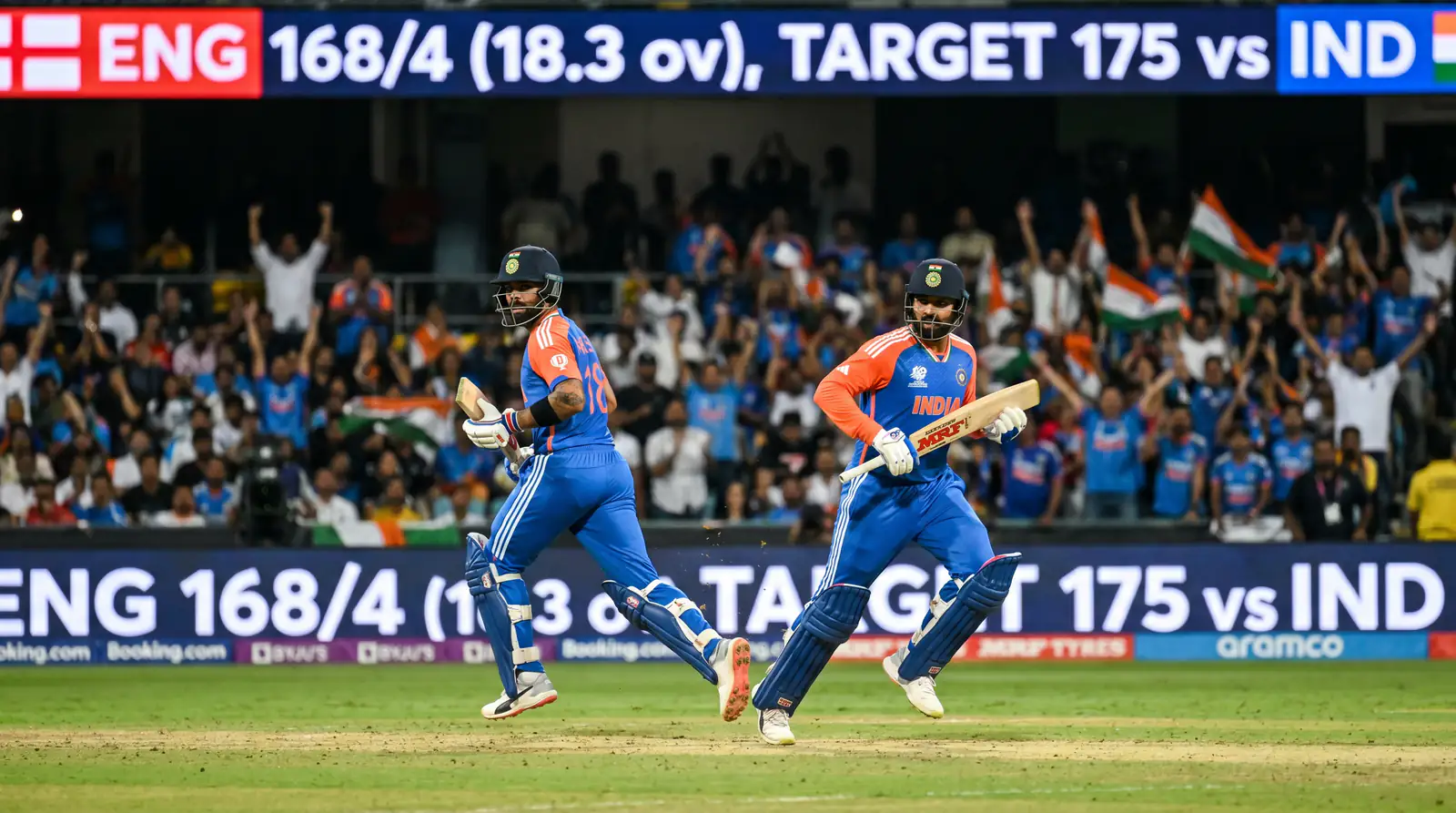
In T20 cricket, teams batting second win approximately 53 to 55% of matches across global competitions. Part of that advantage is that the chasing side knows the required rate and can calibrate their powerplay aggression accordingly. If the first-innings powerplay produced only 35 runs, the chasing openers may bat more conservatively, knowing the target is modest. If the first-innings powerplay yielded 60, the chasing side comes out swinging from ball one. This dynamic means second-innings powerplay totals are more volatile than first-innings totals — useful information when the market offers the same line for both.
Powerplay Wicket Markets and the Death of Dot-Ball Tolerance
Wickets in the powerplay is a market I discovered late but now trade regularly. The line is usually set at 1.5 — will the batting side lose more or fewer than 1.5 wickets in the first six overs? The pricing tends to hover around evens for the over and 1.80 to 1.90 for the under, reflecting the general distribution of powerplay wickets across all T20 matches.
But that distribution varies dramatically by context. On a green pitch with cloud cover and a quality new-ball attack, the probability of two or more powerplay wickets increases significantly. On a flat deck under clear skies with a medium-pace opening attack, the probability drops. I maintain a simple database of powerplay wicket outcomes by venue and conditions, and the pattern holds: seamer-friendly conditions produce more powerplay wickets, and the market consistently underestimates that effect.

ODI powerplays work differently. In a 50-over match, the mandatory powerplay is 10 overs with only two fielders outside the circle. ODI openers are generally more conservative than T20 openers because the innings is long enough that patience is rewarded. ODI powerplay totals are lower relative to the number of overs, and the wicket frequency is lower too. The markets adjust for format, but they often underadjust — applying a simple scaling factor rather than recognising that ODI powerplays are a fundamentally different tactical challenge. That gap between generic pricing and format-specific reality is where the value sits — and the same principle applies to death overs markets, where conditions-specific analysis again outperforms generic pricing.
Powerplay Betting in Cricket — Questions Answered
Articles
Published by the cricketbettipsonline.com team.
