

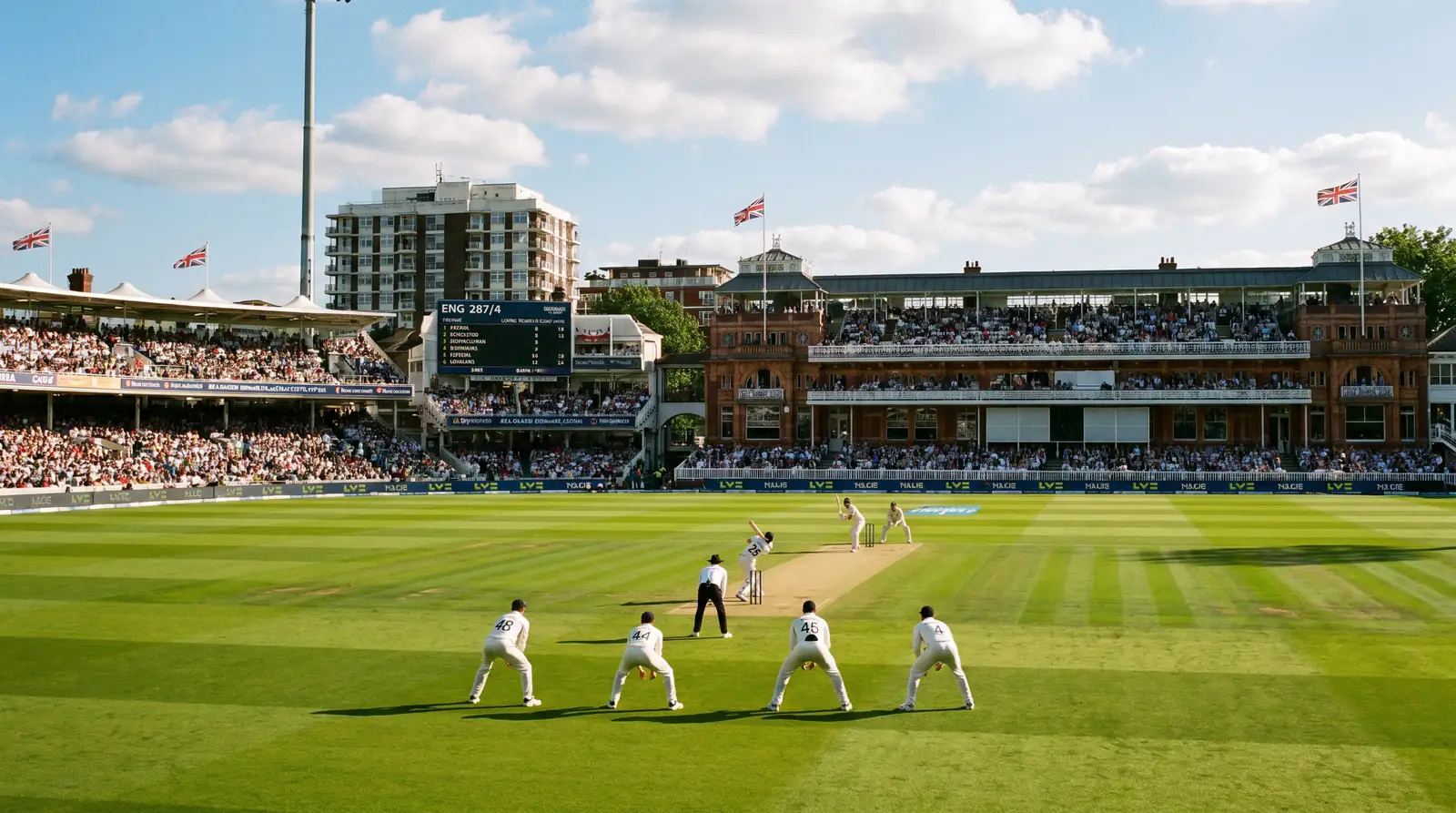
Cricket Betting Exchange Markets Let You Set the Price, Not Just Accept It
The first time I used a betting exchange, I felt like I had stepped behind the curtain. Instead of accepting whatever price the bookmaker offered, I could set my own price and wait for someone to take the other side. Better still, I could lay a bet — effectively becoming the bookmaker by betting against an outcome. That single capability changed my entire approach to cricket wagering.
Remote online betting in the UK generated £2.4 billion in gross gambling yield during the 2023-2024 financial year, and exchanges handle a significant slice of that volume. Unlike traditional bookmakers, an exchange does not set odds. It provides a marketplace where punters trade bets with each other, and the platform takes a small commission on winning trades. For cricket bettors, this model unlocks strategies that are simply impossible with a conventional bookmaker — from trading odds in-play to locking in guaranteed profits before a match is finished.

This guide covers the mechanics of exchange betting, when it makes more sense than using a bookmaker, and the cricket-specific strategies that have worked for me over the past seven years of exchange trading.
Back, Lay, and the Exchange Order Book
Nick Rust, the chair of the UKGC Industry Forum and former head of the British Horseracing Authority, has spoken about how the Forum has “helped the Commission better understand the implications of its existing and planned policies for consumers and industry operators.” Exchange betting is one of the areas where policy and consumer behaviour intersect most visibly, because it operates under a fundamentally different model from traditional bookmaking.
On an exchange, every market has two sides: back and lay. Backing is identical to placing a bet with a bookmaker — you believe an outcome will happen and you stake money at a given price. Laying is the opposite: you believe an outcome will not happen and you accept someone else’s bet, taking on the liability if the outcome does occur. The online channel accounts for 78.47% of the UK sports betting market, and within that channel, exchange users tend to be more experienced and analytical than the average bookmaker customer.
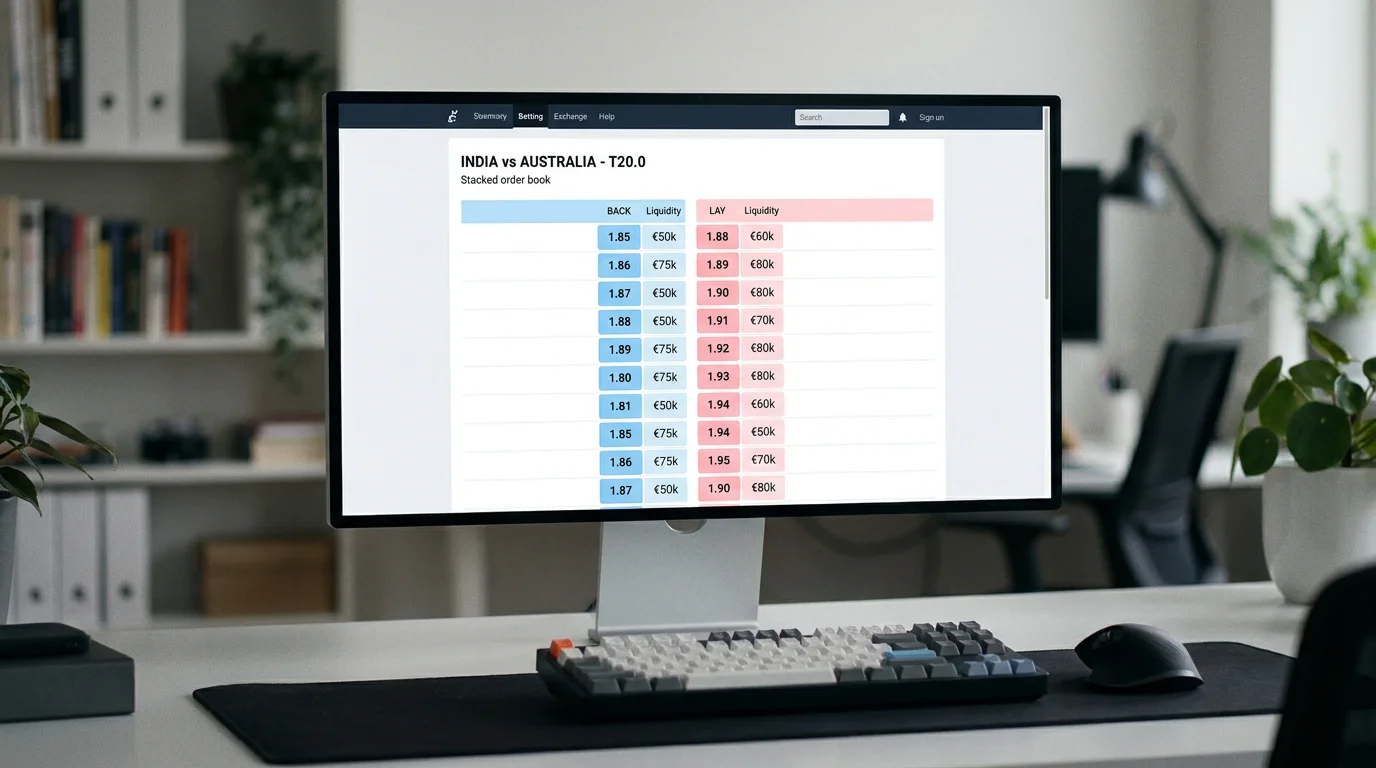
The exchange order book shows all available back and lay prices along with the amount of money waiting to be matched at each price. If you want to back a team at 2.50 but the best available back price is 2.40, you can either accept 2.40 or place an unmatched order at 2.50 and wait for someone to lay at that price. This mechanism is similar to how stock exchanges operate, and it creates a transparent, competitive marketplace where the best available odds are usually tighter than what bookmakers offer.
Commission is the exchange’s revenue model. Most platforms charge between 2% and 5% of net winnings on each market. That commission reduces your effective payout slightly, but on many markets the exchange price minus commission still beats the equivalent bookmaker price because there is no built-in overround. I routinely compare exchange odds (after commission) with bookmaker odds before placing any bet, and the exchange comes out ahead roughly 60% of the time on cricket markets.
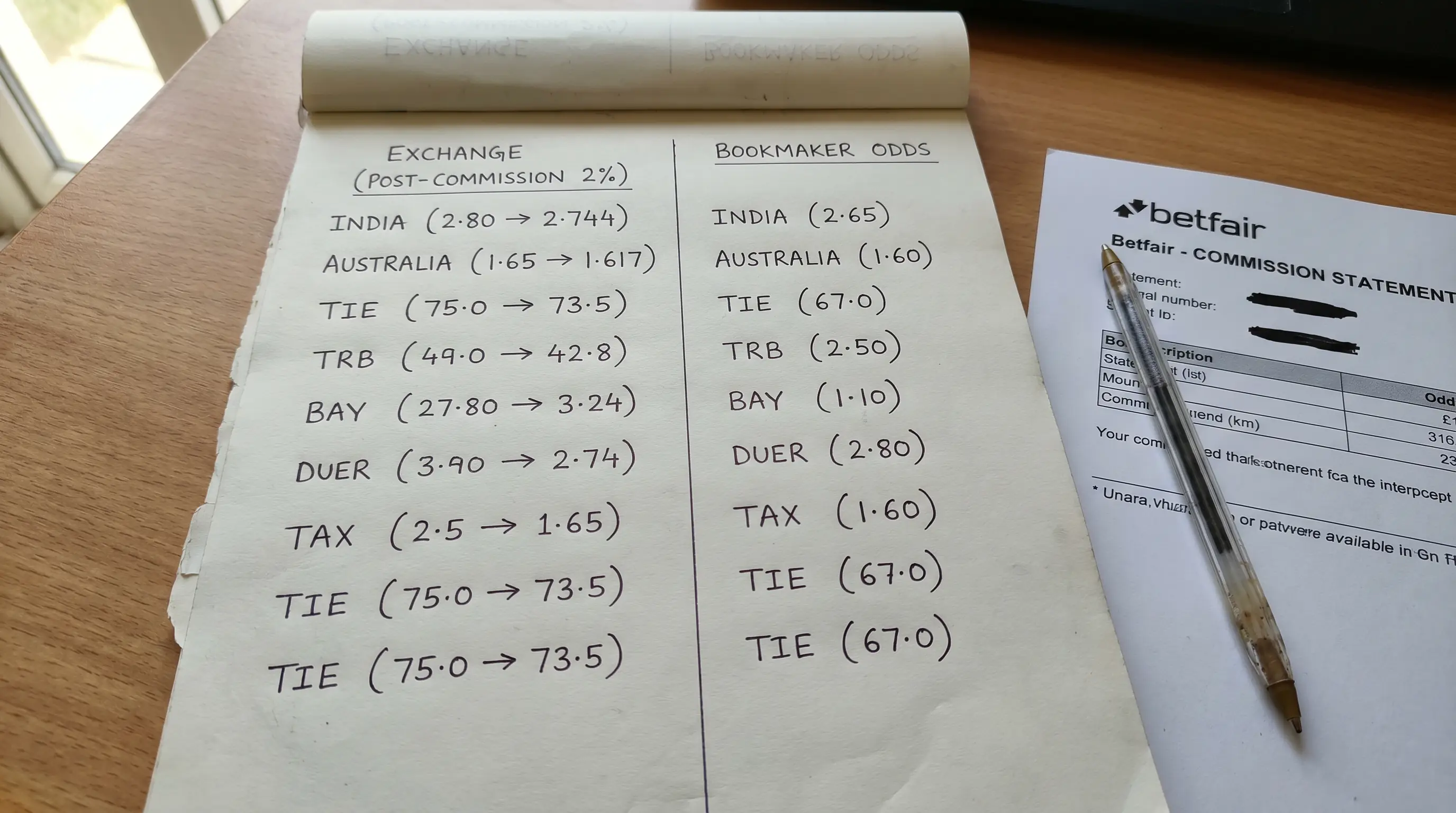
Exchange vs Bookmaker: When Each Works Better
The exchange is not always the superior option. Understanding when to use each platform is a practical skill that maximises your returns over a season.
Exchanges excel in liquid markets. IPL match-winner, major international T20s, and Ashes Tests all attract enough exchange volume to ensure tight spreads between back and lay prices. In these markets, the exchange almost always offers a better price than any individual bookmaker. Exchanges also excel for in-play betting because prices update in real time based on user activity rather than algorithmic repricing with a built-in delay. If you are trading odds during a live match, the exchange gives you more control and fairer prices.
Bookmakers win on niche markets. If you want to bet on the top bowler in a County Championship match or the number of wides in a Big Bash League fixture, the exchange probably will not have enough liquidity to fill your order. Bookmakers also offer promotional edges — enhanced odds, free bets, money-back specials — that exchanges do not. For matched betting strategies that rely on bookmaker promotions, the traditional platform is essential.

My split is roughly 50/50 between exchange and bookmaker across a cricket season. High-profile matches go through the exchange because the price advantage compounds over hundreds of bets. Lower-profile fixtures and player prop markets go through whichever bookmaker offers the best price, because exchange liquidity on these markets is too thin to rely on.
Cricket-Specific Exchange Trading Strategies
Trading — the practice of backing at one price and laying at another to lock in a profit regardless of the outcome — is where exchange betting becomes genuinely powerful in cricket. The sport’s natural momentum swings create frequent price movements that traders can exploit.
In a T20 match, the loss of a key wicket might shift a team’s match-winner price from 1.80 to 2.40 within seconds. If you backed that team pre-match at 1.80, you can now lay at 2.40 and guarantee a profit whichever way the match goes. The maths is simple: your back stake at 1.80 wins if the team wins; your lay liability at 2.40 pays out if they lose. By adjusting the size of each, you create a position where both outcomes return a positive result.
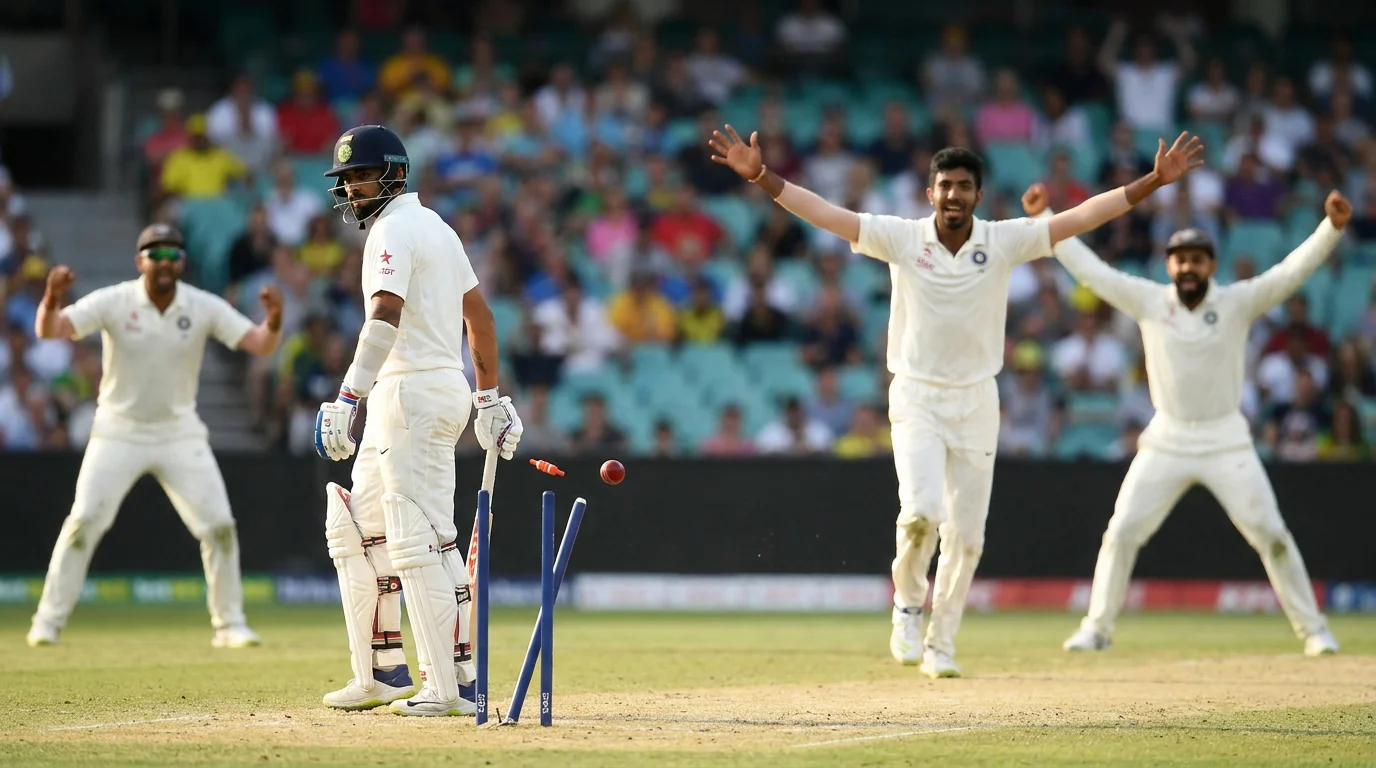
The strategy that has produced the most consistent returns for me in cricket is the session trade in Test matches. I back a team at the start of a session when conditions favour them — say, backing the bowling side at the start of a cloudy morning session on a green pitch — and then lay the same team at a shorter price after they take two or three early wickets. The price movement in that 45-minute window can be dramatic, and the conditions that favour the bowling side are relatively predictable if you have done your pitch and weather analysis.
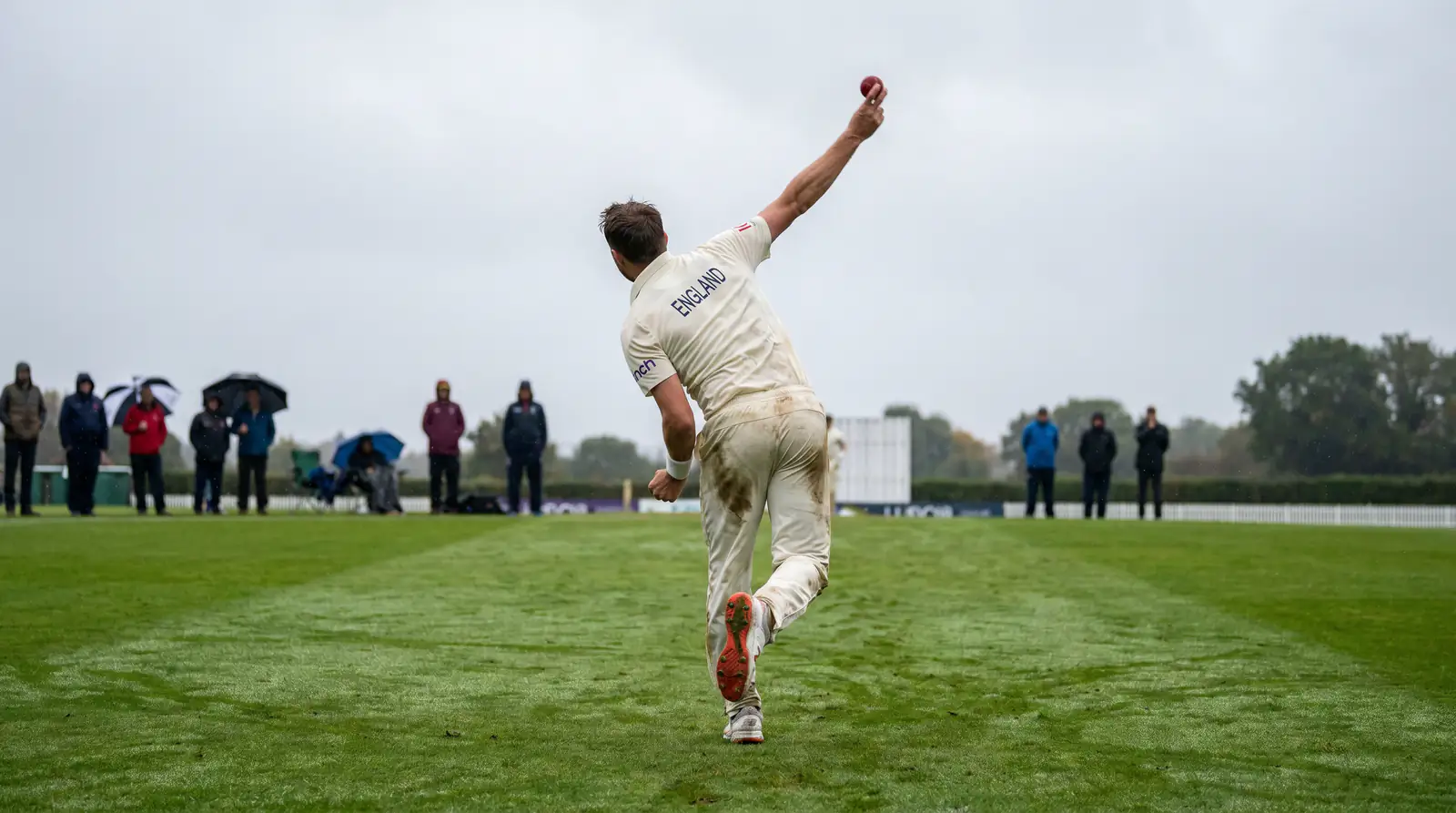
Discipline matters more on exchanges than with bookmakers because the ability to trade constantly can become a trap. I restrict myself to pre-planned trades based on specific scenarios — a wicket falling, a DLS intervention, a powerplay collapse — rather than reacting to every price movement. The exchange rewards patience and preparation, not reflexes.
Cricket Betting Exchange — Questions Answered
Articles
Written by the editors at cricketbettipsonline.com.
