

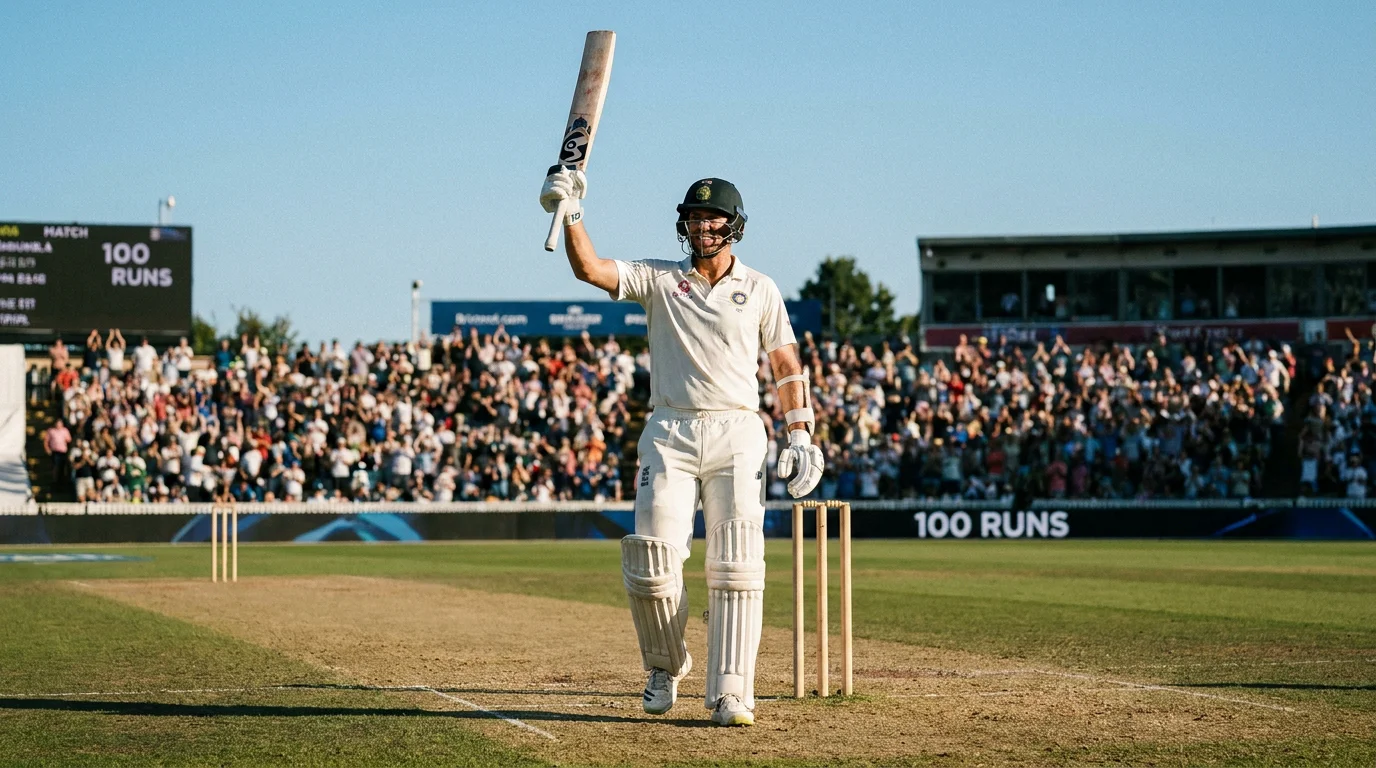
Top Batsman Betting Offers Some of Cricket’s Best-Value Odds
Three summers ago I backed an opener at 7/1 in a county match because his recent record on green pitches was extraordinary and the market had not noticed. He scored 142 not out. That one result paid for a month of losing bets — and it came from a market that most punters treat as a lucky dip rather than a research exercise.
Top batsman — or top run-scorer — is the market where you pick the player who will score the most runs in a given innings or match. Cricket accounts for 14% of all global betting activity by sport, trailing only football and basketball, and within that share the top batsman market consistently offers some of the widest price ranges. A field of eleven players means the favourite rarely goes off shorter than 3/1, and outsiders can drift to double figures. That spread creates genuine room for informed punters to find value, because bookmakers cannot price every individual’s form, conditions suitability, and batting position with surgical precision.
What makes this market rewarding is also what makes it tricky: individual performance in cricket is noisy. A top-class batsman can nick off for a duck to the first ball of the day. But over a long enough sample, the right analytical habits tilt the odds in your favour. Here is how I approach it.
Metrics That Predict Top-Scorer Performance
Not all batting averages are created equal, and I wish someone had told me that earlier. When I started betting on top batsman markets, I looked at career averages and wondered why my picks kept failing. The problem was context. A career average of 45 means very little if the player averages 28 on English seaming pitches or 22 against left-arm pace.
The first metric I check is venue-specific average. How does this batsman perform at this ground? Sample sizes can be small, but even three or four innings give a directional signal. Next comes format-adjusted strike rate. In T20 matches, a batsman who scores quickly faces more deliveries per over of the innings than one who rotates strike slowly — and more deliveries mean more chances to accumulate. In Tests, the opposite applies: patience and occupation of the crease are what correlate with high scores, so a low dismissal rate matters more than strike rate.

Batting position is the variable most casual punters ignore entirely. An opener faces the new ball but also gets the most deliveries available in an innings. In limited-overs cricket, openers are statistically the most likely top scorers simply because they bat the longest. Number three and four batsmen have slightly fewer deliveries available but often face tiring bowlers. Lower-order players can be explosive but rarely bat long enough to outscore the top five unless a collapse brings them in early. I keep a simple spreadsheet tracking the percentage of times each batting position finishes as top scorer across different formats, and the numbers have barely shifted in nine years: openers dominate.

Finally, head-to-head records against the bowling attack matter. Some batsmen have a specific weakness against spin or short-pitched bowling that shows up when you dig into their dismissal data. ESPNcricinfo and CricViz both offer detailed breakdowns that take minutes to check and can save you from backing a player whose Achilles heel is about to be tested.
How Conditions Favour Certain Batsmen
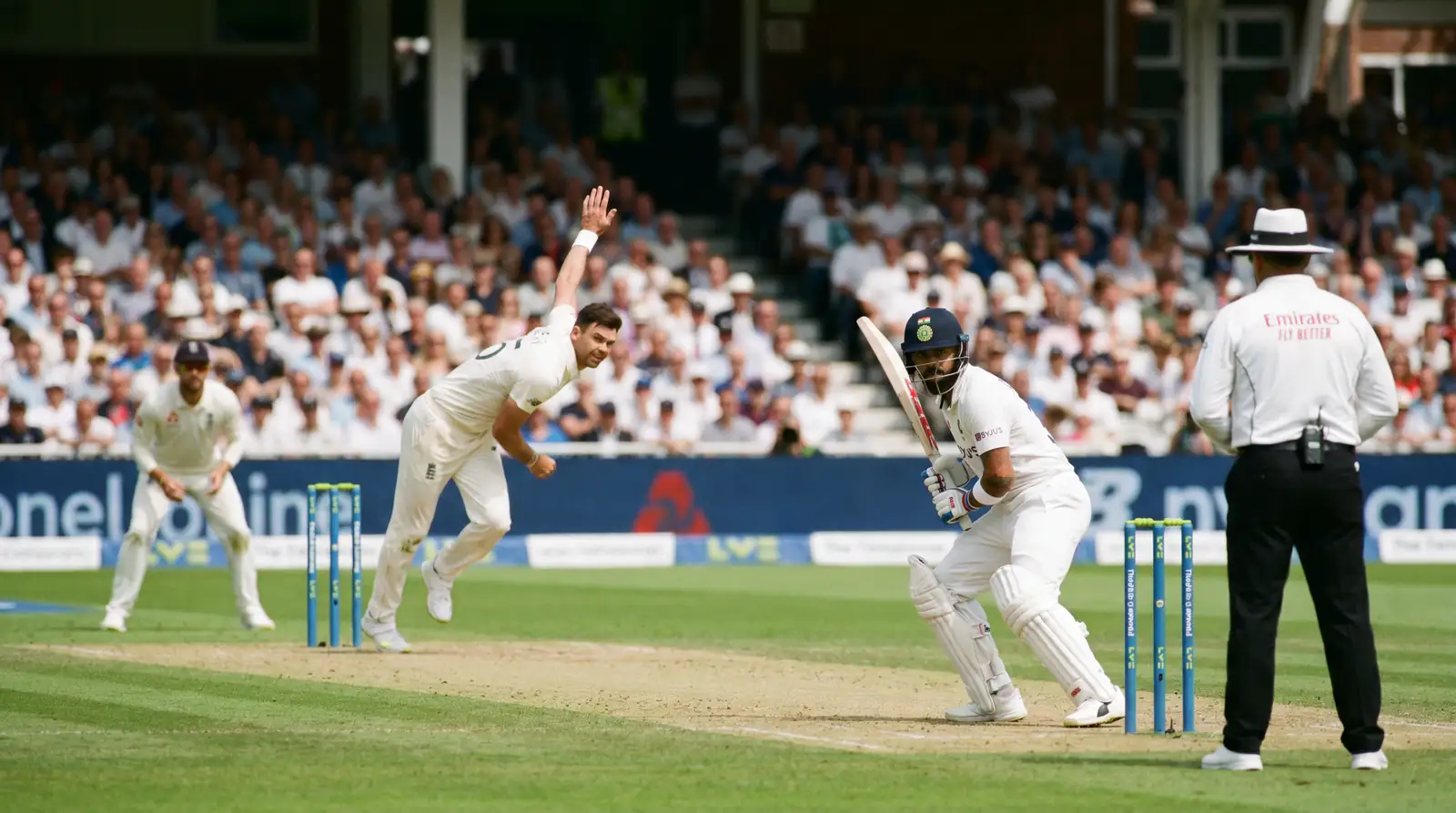
During the 2022-23 Ashes I watched a technically impeccable batsman — all classical drives and textbook leaves — average under 20 across three Tests while a scrappier, more unorthodox player thrived. The reason was simple: conditions suited the scrapper’s strengths and exposed the classicist’s vulnerabilities. Conditions do not just affect totals; they filter which batting styles succeed.

On seaming pitches with lateral movement, batsmen who play late and close to the body have an advantage. Players who commit to front-foot drives early tend to edge balls that move off the seam. In T20 cricket, teams batting second win approximately 53 to 55 percent of matches, and part of that advantage flows to second-innings batsmen who benefit from dew reducing seam movement. If you are betting on the top batsman in the second innings of a day-night T20, players who rely on timing rather than power often outperform because the wet ball comes on to the bat predictably.
Spin-friendly surfaces in the subcontinent create a different filter. Batsmen with a strong sweep game and quick footwork to get to the pitch of the ball dominate, while those who play from the crease struggle. I always cross-reference a player’s technique against the expected conditions, and I have found that this one step eliminates around half the contenders before I even look at odds.

Top Batsman vs Top Bowler: Comparing the Markets
I get asked this question constantly: should I bet on the top batsman or the top bowler? The honest answer is that both markets have edges, but they reward different types of analysis.
Top batsman prices are more spread out because batting output — runs — operates on a wider scale than bowling output — wickets. A top scorer might make 120 while the next-best makes 50. A top bowler might take four wickets while the next-best takes three. That compression in bowling figures means more ties, more dead heats, and more shared payouts, which eats into expected value. In leagues like the IPL, which generated approximately $10 billion across all revenue streams in 2025, top batsman markets attract enormous liquidity and the odds tend to be sharper. Top bowler markets in the same matches are thinner, which can mean wider bookmaker margins but also occasional pricing errors that reward specialists.

My split is roughly 70/30 in favour of top batsman bets across a typical season. Batting performance is more predictable over a sample because it depends heavily on controllable factors — technique, position, match conditions — while bowling outcomes involve more randomness: dropped catches, umpiring decisions, batsmen holing out to fielders rather than being genuinely beaten. But when conditions strongly favour bowlers — an overcast morning at Lord’s on a green top, say — the top bowler market becomes the sharper play.
Articles
Published by the cricketbettipsonline.com team.
