


Top Bowler Betting Rewards Punters Who Understand Bowling Conditions
In 2021 I backed a left-arm seamer at 9/1 for a Test at Edgbaston because cloud cover was forecast for all five days and the pitch had a thick covering of grass. He took seven wickets in the first innings. That single bet encapsulated everything I love about the top bowler market: conditions create obvious advantages for certain bowling types, yet the odds rarely reflect the full extent of that advantage.
Around 15% of the UK population follows cricket and tunes in for marquee events like T20 World Cup matches. Many of those fans bet on the match winner or top batsman without considering the top bowler market, which means less public money flows into it, bookmaker margins can be wider, and pricing errors crop up more often. That is not a flaw — it is an invitation for anyone willing to do the work.
Top bowler betting asks a straightforward question: which bowler will take the most wickets in a given innings or match? Because the outcome range is narrower than in batting — most top bowlers take between two and five wickets rather than scoring between 20 and 150 runs — dead heats are more common and the market has its own quirks. Understanding those quirks, and combining them with conditions analysis, is what separates profitable top bowler punters from everyone else.
Metrics That Predict Wicket-Taking Performance
When I first started analysing bowlers, I focused on bowling average — total runs conceded divided by wickets taken. It took me two losing seasons to realise that bowling average alone tells you almost nothing about a bowler’s likelihood of finishing as the top wicket-taker in a specific match. The metric that matters more is bowling strike rate: the number of balls bowled per wicket taken.
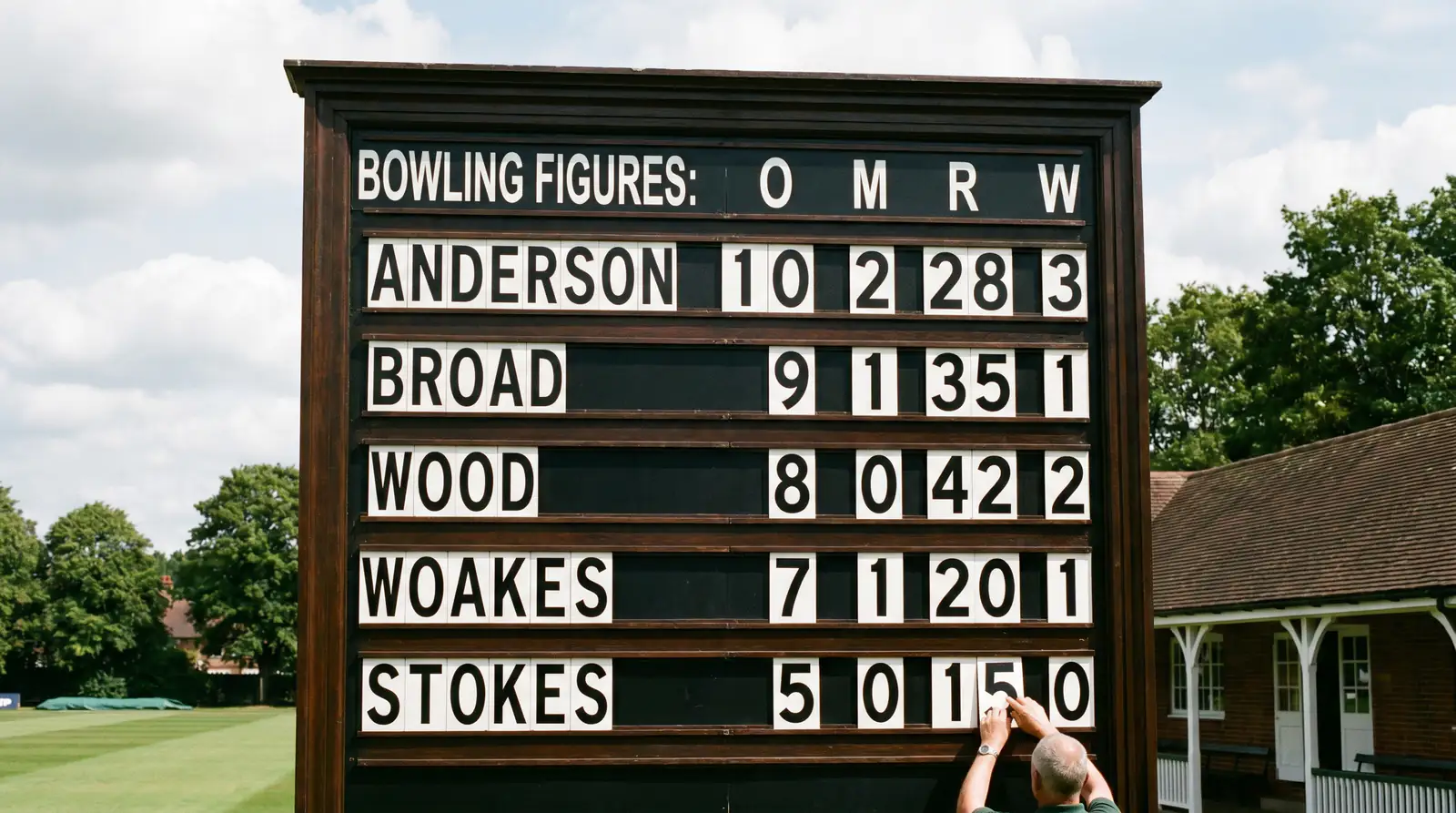
A bowler with a strike rate of 30 takes a wicket roughly every five overs. A bowler with a strike rate of 50 takes one every eight or nine overs. In a T20 match where a bowler only gets four overs, that difference is the gap between two wickets and zero. Format context sharpens the picture further. In Tests, where bowlers can send down 25 to 40 overs per innings, a slightly higher strike rate matters less because the volume of deliveries compensates. In T20, every ball counts, and bowlers who create chances quickly are the ones most likely to top the wicket charts.
Economy rate — runs conceded per over — is secondary for this market but still relevant. A bowler who leaks runs gets pulled from the attack in limited-overs cricket, reducing his opportunity to take wickets. The captain’s trust in a bowler, reflected in how many overs he bowls at crucial stages, is a soft factor I always check by reviewing recent match footage or scorecards.
The third metric I track is boundary percentage against: how often does this bowler get hit for four or six? Bowlers who consistently contain boundaries tend to build pressure, forcing batsmen into mistakes. That pressure translates into wickets more reliably than raw pace or extravagant spin, especially on surfaces where the ball is not doing much.
How Pitch and Weather Favour Certain Bowling Types
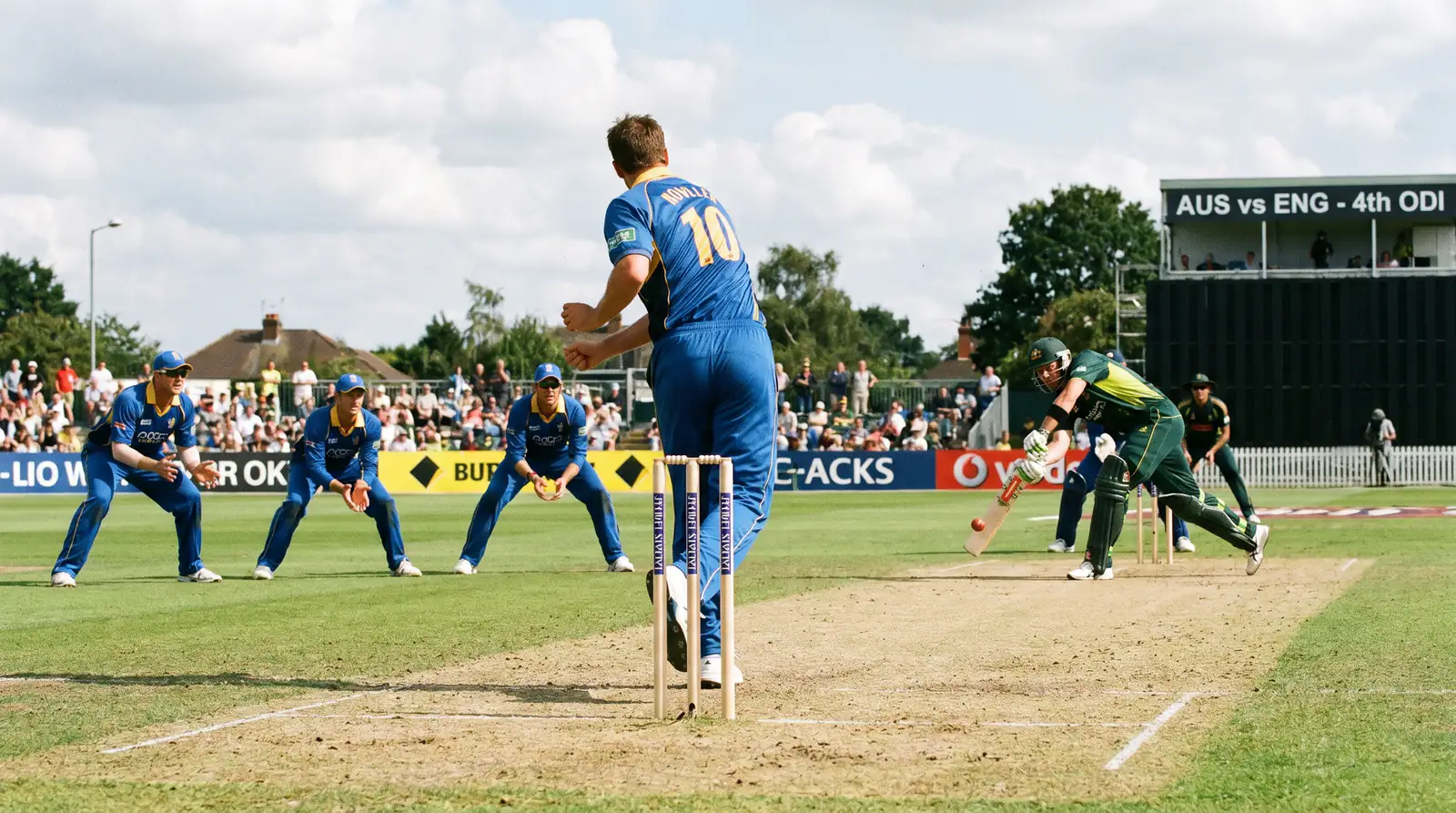
I cannot overstate how much conditions determine top bowler outcomes. In T20 cricket the toss effect is small — roughly 1.3% — but the surface effect is massive. A slow, low pitch in Chennai that grips and turns makes a quality spinner the obvious top bowler candidate, even if a fast bowler is priced shorter because of brand recognition.

Seam-friendly pitches with visible grass favour bowlers who hit the deck hard and extract movement off the surface. In English conditions, where the Dukes ball swings more than the Kookaburra, right-arm seamers who angle the ball across the left-hander become wicket machines in the right circumstances. I always check which ball will be used in a match, because the Dukes, Kookaburra, and SG behave differently depending on the pitch and atmosphere.
Weather amplifies pitch effects. Heavy cloud cover in England assists conventional swing. Dry heat in Australia produces bounce and carry, favouring tall fast bowlers who extract steep trajectories. Humidity without cloud cover — common in Sri Lanka and Bangladesh — does very little for swing but keeps the outfield slow, meaning batsmen hit fewer boundaries and bowlers stay in the game longer. Matching the specific bowling type to the specific conditions is the entire analytical framework. When conditions strongly favour one style, I narrow my shortlist to two or three bowlers of that type and compare their prices.

Bowler Performance in Powerplay and Death Overs
One of the sharpest angles in top bowler betting comes from understanding which bowlers operate in which phase of the innings. In T20 and ODI cricket, the powerplay offers different opportunities than the middle overs or the death.
Powerplay bowlers face aggressive batsmen looking to exploit fielding restrictions, and wickets in this phase often come from edges, mistimed pulls, and balls that seam or swing. New-ball specialists who take early wickets accumulate a head start that is difficult for middle-overs bowlers to overcome. If the pitch offers early movement, a new-ball bowler at a generous price becomes my primary target.
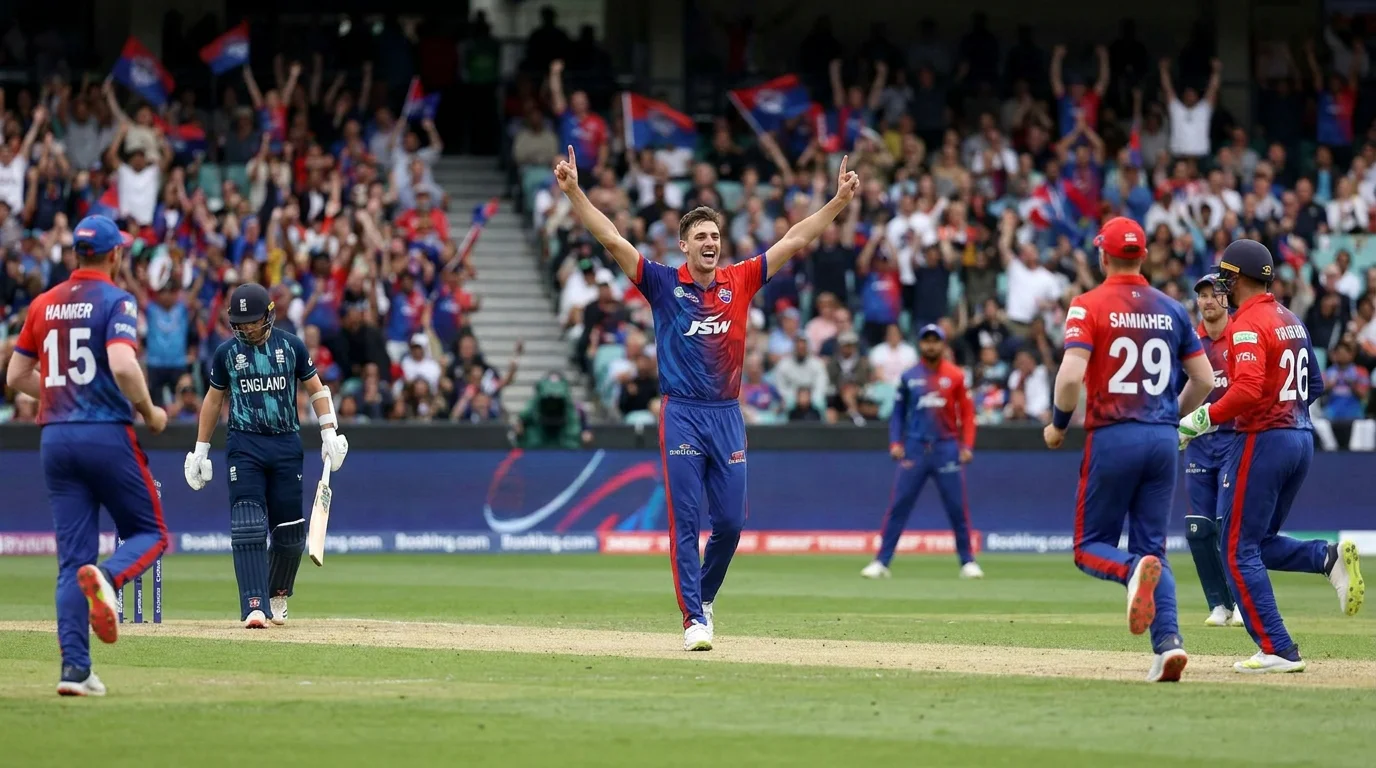
Death-overs bowlers operate in a different economy entirely. Batsmen are swinging hard, and wickets come from yorkers, slower balls, and mistimed slog shots. Death bowlers can rack up two or three wickets in a single over when a batting side is chasing a big total. The volatility is higher — a death bowler might go for 25 runs and take no wickets, or take a hat-trick in the final over. In matches where I expect a close finish and a high-scoring chase, I often back a specialist death bowler at long odds because the scenario maximises their wicket-taking opportunity.

Spinners in the middle overs are the trickiest group. They bowl the most overs in T20 and ODI cricket but often go wicketless because batsmen can rotate strike without taking risks. When I back a spinner for top bowler, it is because the pitch suits them — dry, worn, offering turn — or because the opposition batting lineup has a documented weakness against spin. Without one of those catalysts, spinners tend to be traps in this market despite their volume of overs.
Articles
Written by the editors at cricketbettipsonline.com.
