

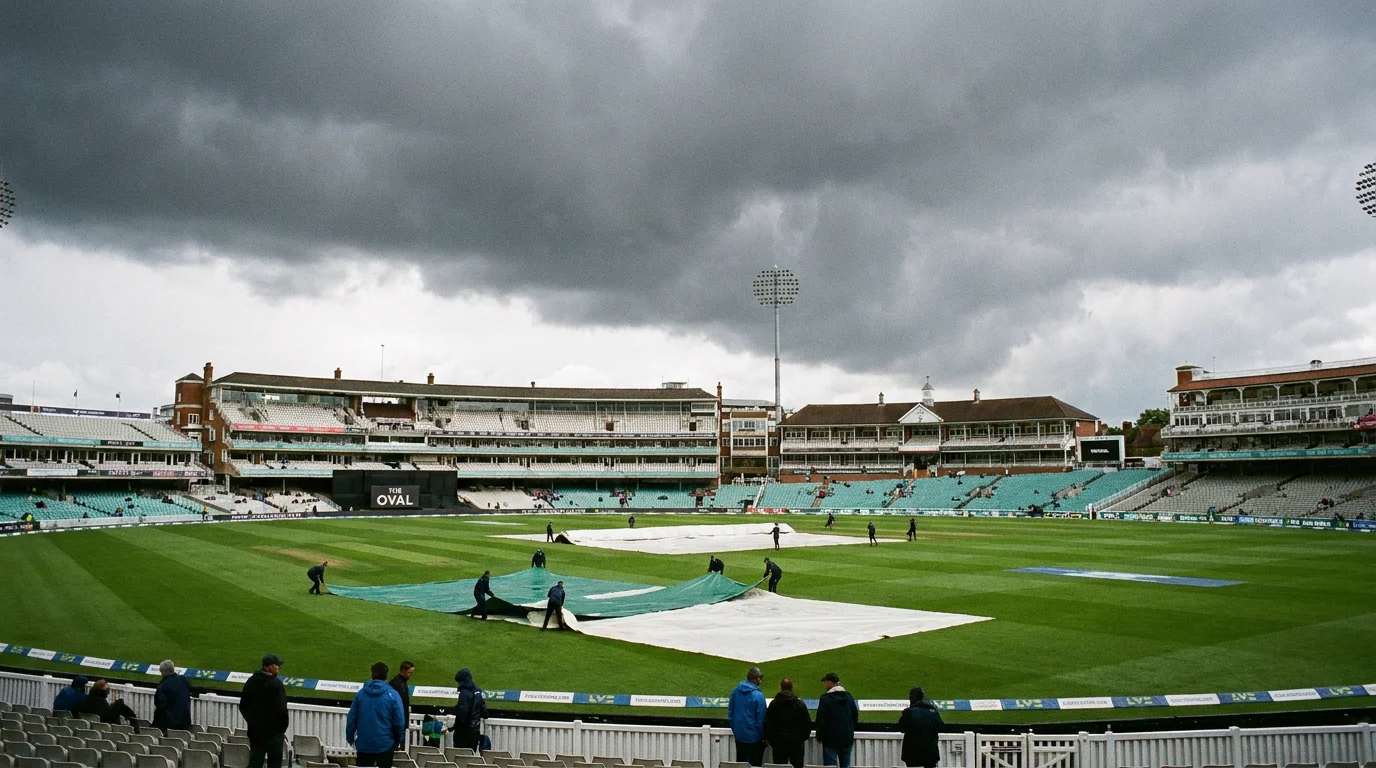
Weather Impact on Cricket Betting Goes Far Beyond Rain Delays
I lost money on a perfectly sound pre-match analysis once because I did not check the dew forecast. The match was a day-night ODI in Kolkata, the team batting first posted a strong total, and by the time the chasing side came out the ball was slipping through the bowlers’ fingers like a bar of wet soap. The dew turned a comfortable first-innings total into a below-par score, and my bet died in the 35th over.
Most punters think “weather” means “will it rain?” But rain is only one piece of a much larger puzzle. Cloud cover, humidity, dew, wind speed, and temperature all influence how the ball behaves, how the pitch plays, and how the match unfolds. In T20 cricket, teams batting second win approximately 53 to 55 percent of matches, and atmospheric conditions — particularly dew in evening fixtures — are a meaningful driver of that imbalance.
Michael Dugher, when serving as CEO of the Betting and Gaming Council, framed the challenge of industry regulation as a question of “how can we do it all without spoiling the enjoyment of gambling for the majority of players.” From a bettor’s perspective, the equivalent question is how to account for every variable without overcomplicating the process. Weather is a variable that rewards attention precisely because most punters ignore it or treat it as binary — rain or no rain — when the reality is far more nuanced.
Rain, Interruptions, and How DLS Reshapes the Market
Rain is the most visible weather factor, and its impact on betting markets is both direct and indirect. Directly, rain delays reduce overs available, trigger the Duckworth-Lewis-Stern method in limited-overs matches, and can turn a comfortable situation into chaos. Indirectly, rain forecasts shift odds before a ball is bowled, sometimes creating value on either side of the market depending on how efficiently the bookmaker has priced the disruption risk.
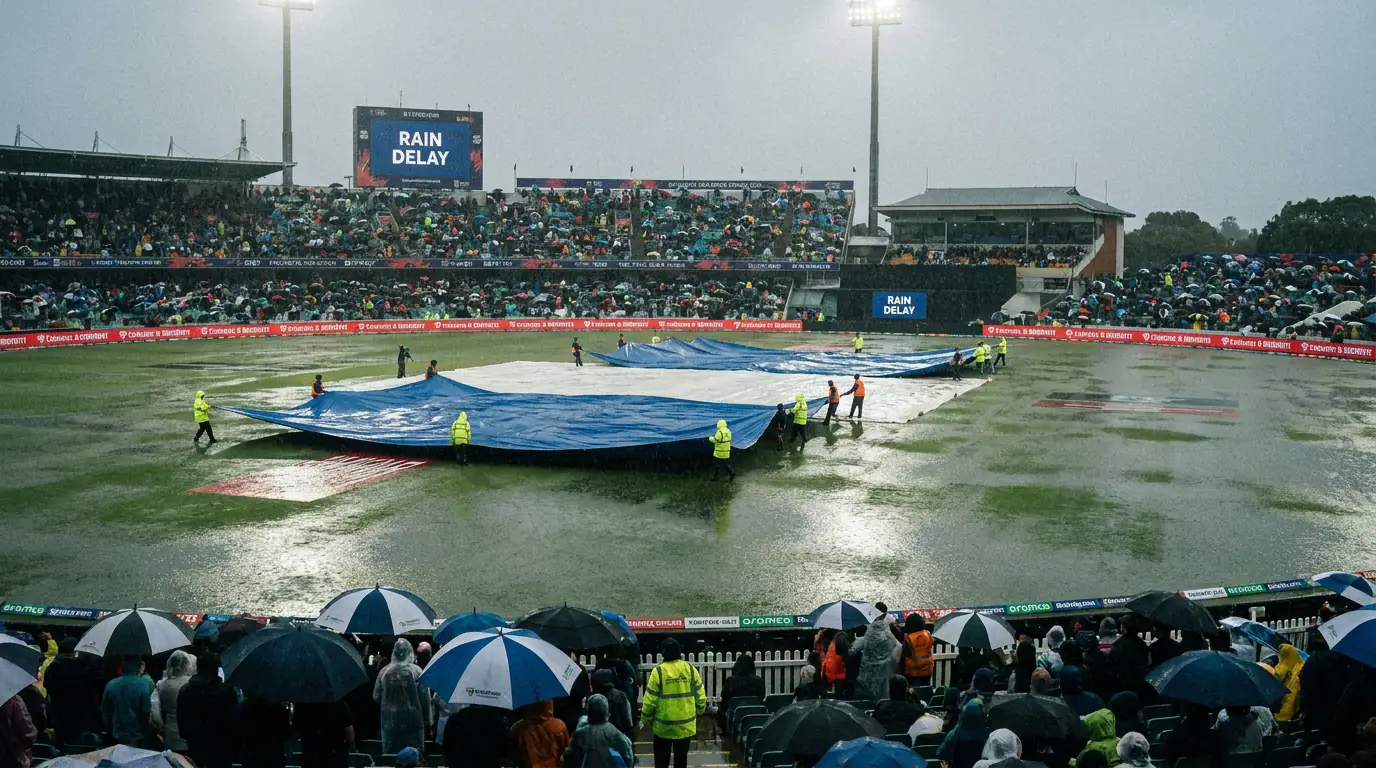
When rain interrupts an innings, DLS recalculates the target for the chasing team based on the resources — overs and wickets — remaining. The revised target is not always intuitive. A team that was cruising in the first innings might find their total adjusted upward for the chasing side, or the chasing side might receive a generous par score that makes the task easier than it appeared before the delay. If you are betting on cricket in the UK — where roughly 7% of sports bettors place cricket wagers — you need to understand DLS at least at a conceptual level, because rain interruptions during the English summer are not exceptions. They are the norm.
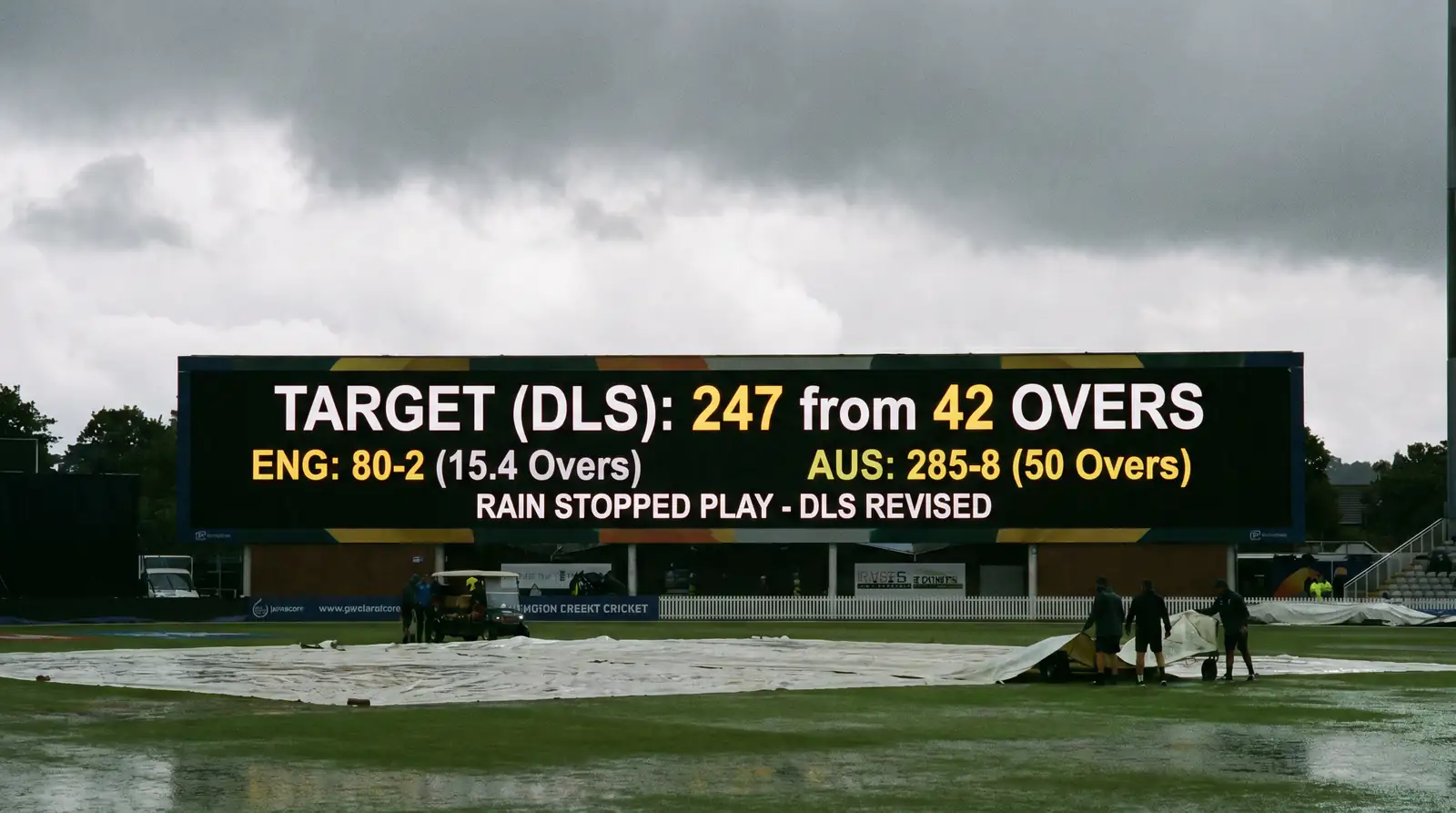
My approach to rain risk is pre-emptive. Before placing any bet on an ODI or T20 in England, I check the hourly rainfall probability for the ground. If the chance of significant rain during match hours exceeds 40%, I either avoid the match entirely or shift my focus to markets less sensitive to interruption — session boundaries in Tests, for instance, where a rain delay simply extends the match rather than altering the scoring calculus. Betting into a match where DLS is likely to intervene adds a layer of randomness that undermines the analytical edge you have worked to build.
The Dew Factor: Why Evening Matches Change the Equation
Dew is the weather variable that separates sharp cricket bettors from everyone else. In day-night matches across the subcontinent, moisture settles on the grass as temperatures drop after sunset. The ball becomes harder to grip for bowlers — seam and spin both lose effectiveness — and easier to hit for batsmen because it skids on to the bat rather than gripping the surface.

The practical effect is stark. In IPL and other subcontinental T20 leagues, teams chasing under lights consistently outperform teams batting first in dew-affected evening games. The toss becomes more important in these conditions — not because of the 1.3% overall toss advantage in T20, but because captains who win the toss and choose to bowl know they will have the dew advantage in the second innings. When I see a dew forecast for a day-night T20, I immediately weight my analysis toward the team batting second, and I look at the over/under on second-innings runs with a bias toward the over.
English conditions produce dew less frequently than the subcontinent, but late-season T20 Blast matches and The Hundred fixtures that start in the early evening can still be affected, especially on grounds surrounded by trees or near rivers where humidity is higher. The dew factor is less dramatic in England than in India, but it exists, and ignoring it means missing a pricing edge that compounds over a season of evening matches.
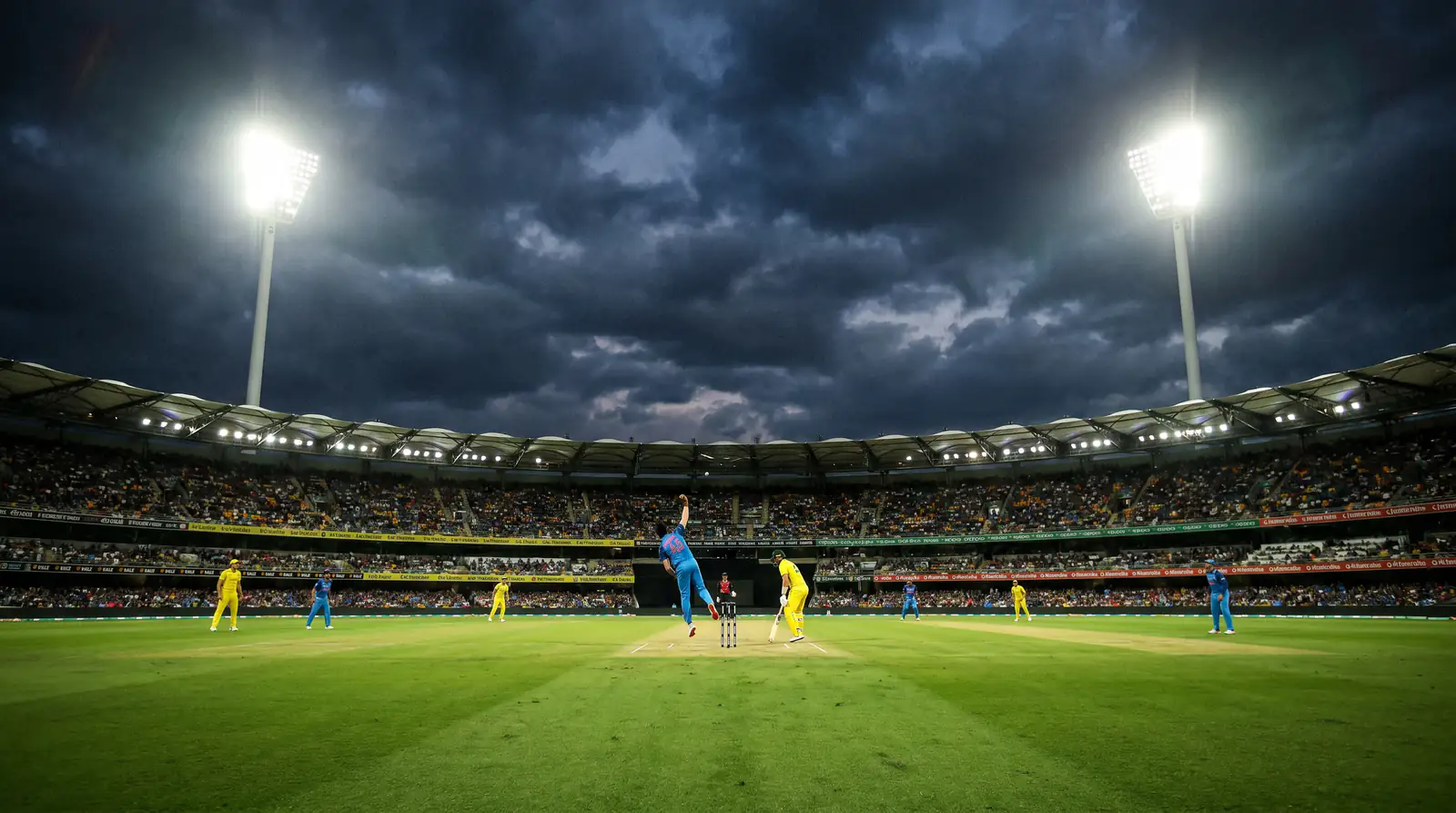
Cloud Cover and Humidity: Swing Bowling’s Silent Ally
Here is something I did not appreciate until I started tracking it systematically: overcast conditions in England add roughly 10 to 15% to a seam bowler’s swing movement compared to clear skies. The physics are debated — atmospheric pressure, humidity retaining the lacquer on the ball, the Coanda effect — but the empirical result is consistent. When cloud cover is heavy and the air is humid, the ball swings more and seam bowlers take more wickets.
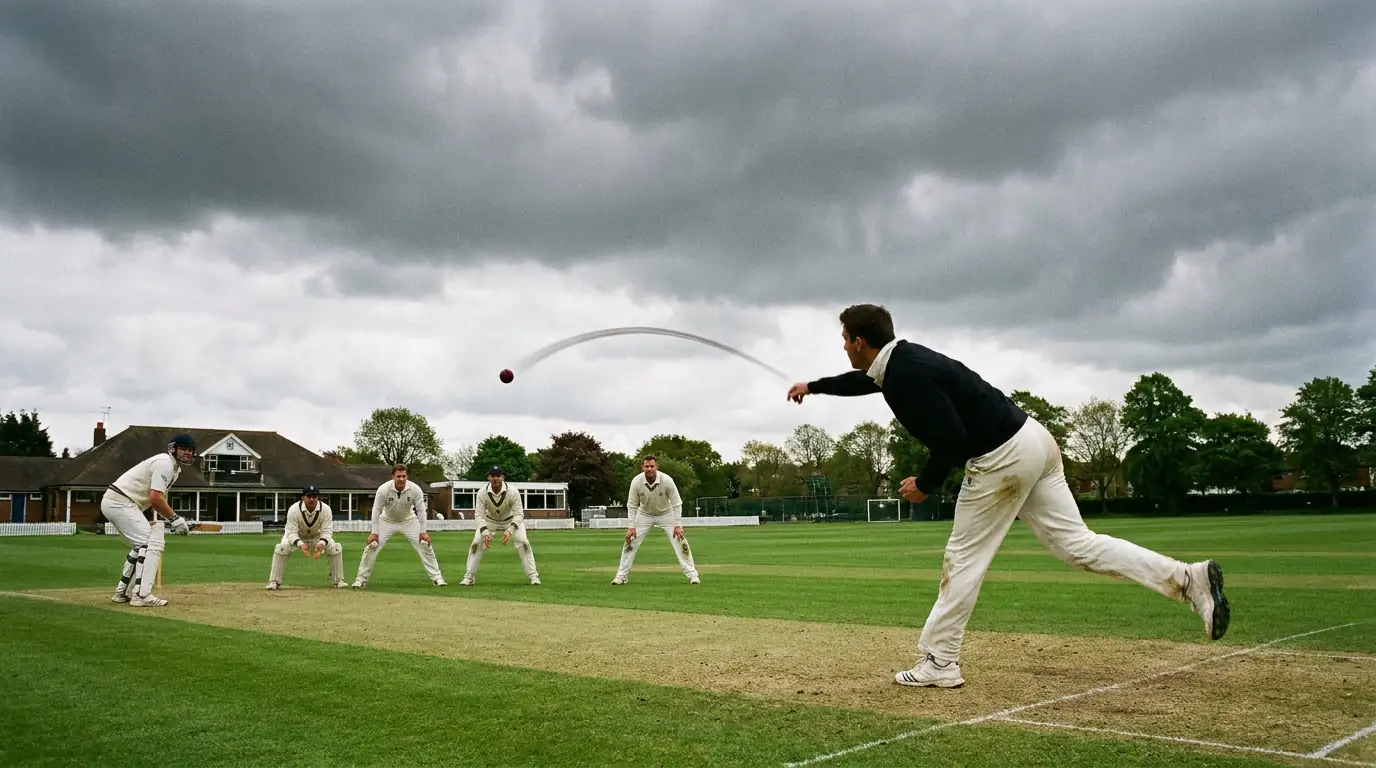
For betting purposes, this has a direct implication on several markets. Under heavy cloud at Headingley, Lord’s, or Trent Bridge, I expect lower first-innings totals, more value in top-bowler markets for swing specialists, and shorter match durations in Tests. Bookmakers price some of this in, particularly for well-known seam-friendly grounds, but the weather forecast for the specific match day often shifts conditions beyond what the pre-tournament pricing anticipated.
Humidity without cloud cover — a common condition in Sri Lanka, Bangladesh, and parts of the Caribbean — has a different effect. The ball does not swing as much, but the outfield stays heavy and slow, meaning boundaries are harder to come by. This compresses scoring rates without increasing wicket frequency, producing low-scoring matches that can fly under the radar of over/under lines set on venue averages from drier periods. I check humidity levels alongside cloud cover before every bet, because the two variables interact in ways that a single weather icon on your phone does not capture.
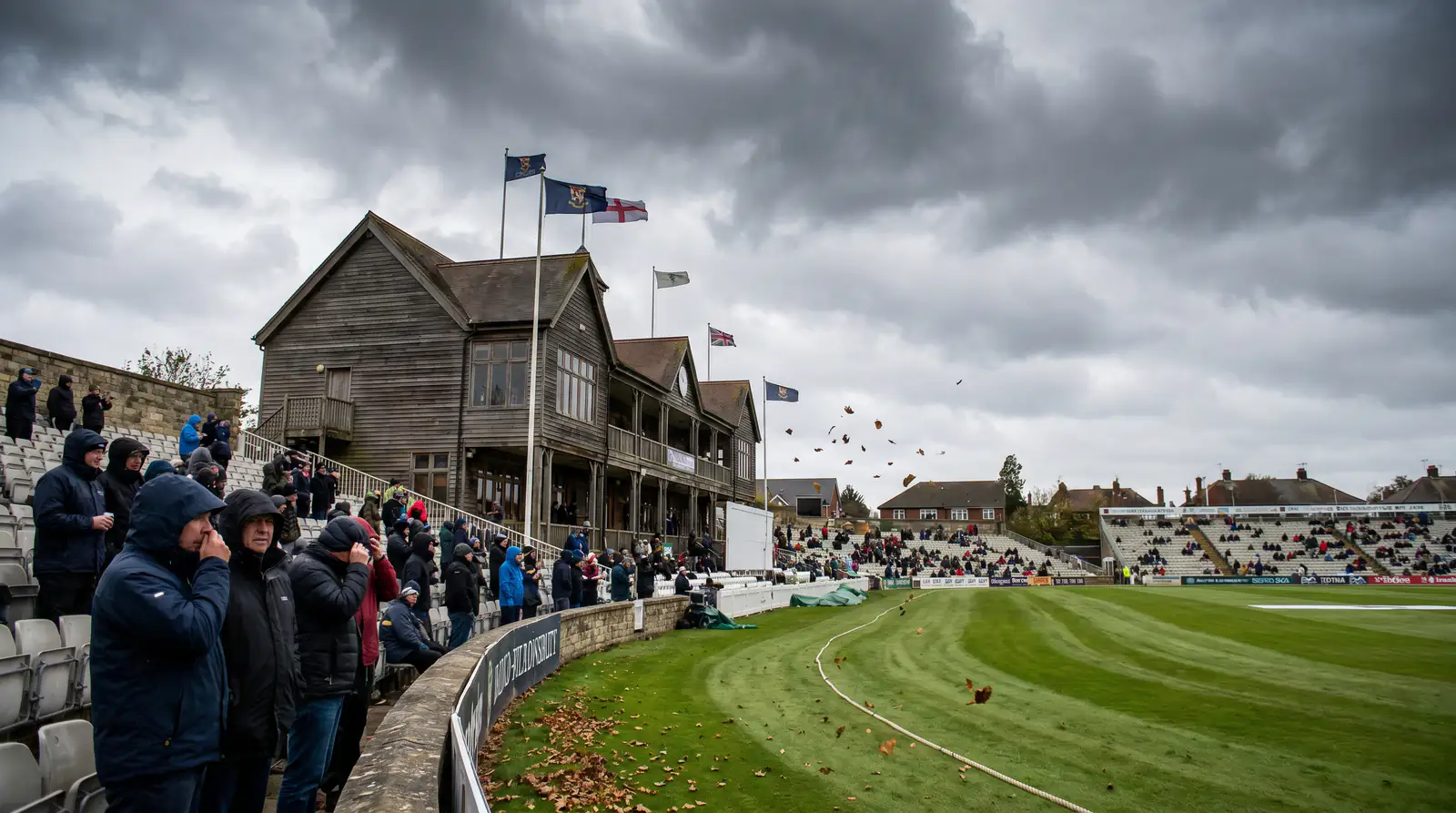
Wind is the overlooked atmospheric factor. Strong crosswinds at exposed grounds — Canterbury, the Ageas Bowl, and most New Zealand venues — make it harder for batsmen to time lofted shots and harder for bowlers to control their line. The net effect is usually fewer boundaries and more dot balls, which pulls totals down. When wind speeds exceed 25 miles per hour on match day, I adjust my total runs estimate downward by 5 to 10%, depending on the ground’s exposure.
Articles
Published by the cricketbettipsonline.com team.
